
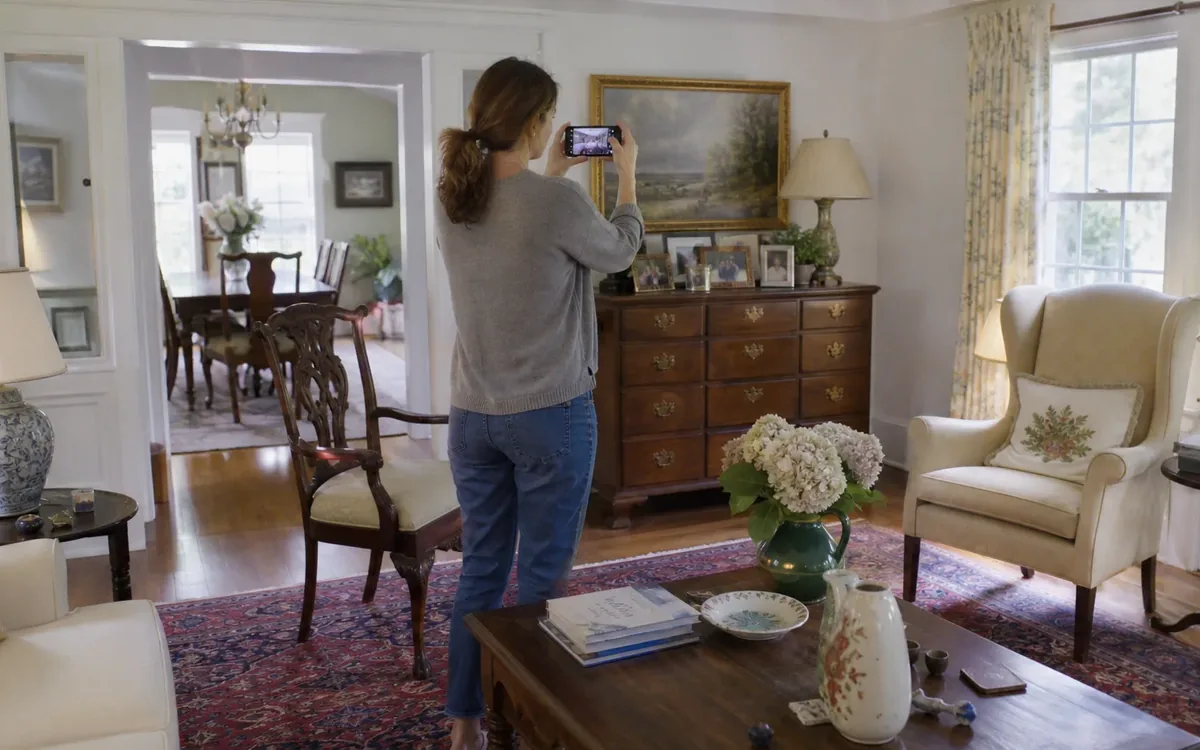
Before emptying an inherited home, photograph every room as found, the contents of drawers and cabinets, valuable or disputed property, documents, serial numbers, structural conditions, utility controls, and anything being kept, sold, donated, discarded, or moved. These images create a practical record, but they do not replace a legal inventory, professional appraisal, inspection, or insurer-required documentation.
Quick answer: Start with wide photos of the exterior and each room before touching anything. Then capture individual valuables, papers, identifying marks, existing damage, hidden storage areas, and each group of items assigned to an heir or destination. Keep the original files, label them clearly, and pause if ownership or estate authority is uncertain.
This approach is useful for inherited homes in the Charleston area and elsewhere in South Carolina. The household or authorized estate representative can decide how detailed the photo record should be. An attorney, probate professional, insurer, appraiser, real-estate professional, inspector, or appropriate authority should determine whether particular evidence or formal documentation is required.
Why photograph the home before anything moves?
An inherited home’s contents can quickly lose their context. A lamp removed from a bedroom, jewelry separated from its box, or paperwork pulled from a desk may become difficult to identify later. Initial photographs preserve where things were found and what condition they appeared to be in.
A useful photo record can help the household:
- Remember what was present before sorting began
- Discuss belongings with heirs who cannot visit the property
- Track objects that are moved to storage or another home
- Show an appraiser where an item was found and how it was stored
- Record visible damage before cleaners, movers, contractors, or buyers enter
- Separate personal-property questions from building-condition questions
- Reduce confusion when several people participate in the cleanout
Photography is not proof that an object belongs to a particular person. It also does not establish monetary value, determine whether a will controls an item, or satisfy every probate, tax, insurance, or court requirement. Ask the responsible professional what records must be preserved before disposal begins.
If the household is still deciding how to organize the overall project, the guide on the best way to clean out an estate explains how to set authority and decision categories before removal.
What should you photograph first?
Photograph the property’s overall condition before opening drawers, creating piles, or removing furniture. Work from broad views to close details so later viewers can understand where each item or condition appeared.
Use this five-part opening sequence:
- Exterior and access points. Photograph each side of the home, visible outbuildings, gates, porches, garages, sheds, and major exterior damage. Include house numbers only if the files will remain private.
- Room entrances. Stand near each doorway and take wide images in multiple directions. Capture floors, walls, ceilings, windows, furniture, and visible contents.
- Storage spaces. Photograph closets, cabinets, built-ins, attic or basement areas that are safely accessible, and the contents of garages or sheds.
- Work surfaces. Record desks, tables, counters, dressers, and other places where papers, keys, medication, jewelry, cash, or small objects may have accumulated.
- Condition concerns. Capture stains, water marks, broken fixtures, damaged flooring, missing components, pest evidence, or disturbed areas without attempting to diagnose the cause.
Do not enter an unsafe crawlspace, unstable attic, contaminated area, or structurally questionable room just to obtain an image. A qualified inspector or contractor should assess access and building conditions. Household photos can document what is visible, but they are not an inspection report.
Which belongings need close-up photographs?
Close-ups are most useful when an item’s identity, condition, maker, or ownership may matter. Photograph the entire object first, then details. Include a neutral size reference only when it will not obscure or damage the object.
Prioritize:
- Jewelry, watches, coins, precious metals, and small collections
- Artwork, sculpture, rugs, ceramics, and signed pieces
- Antiques and distinctive furniture
- Firearms, ammunition, and related records, without unsafe handling
- Vehicles, boats, trailers, tools, and outdoor equipment
- Electronics and appliances with model or serial labels
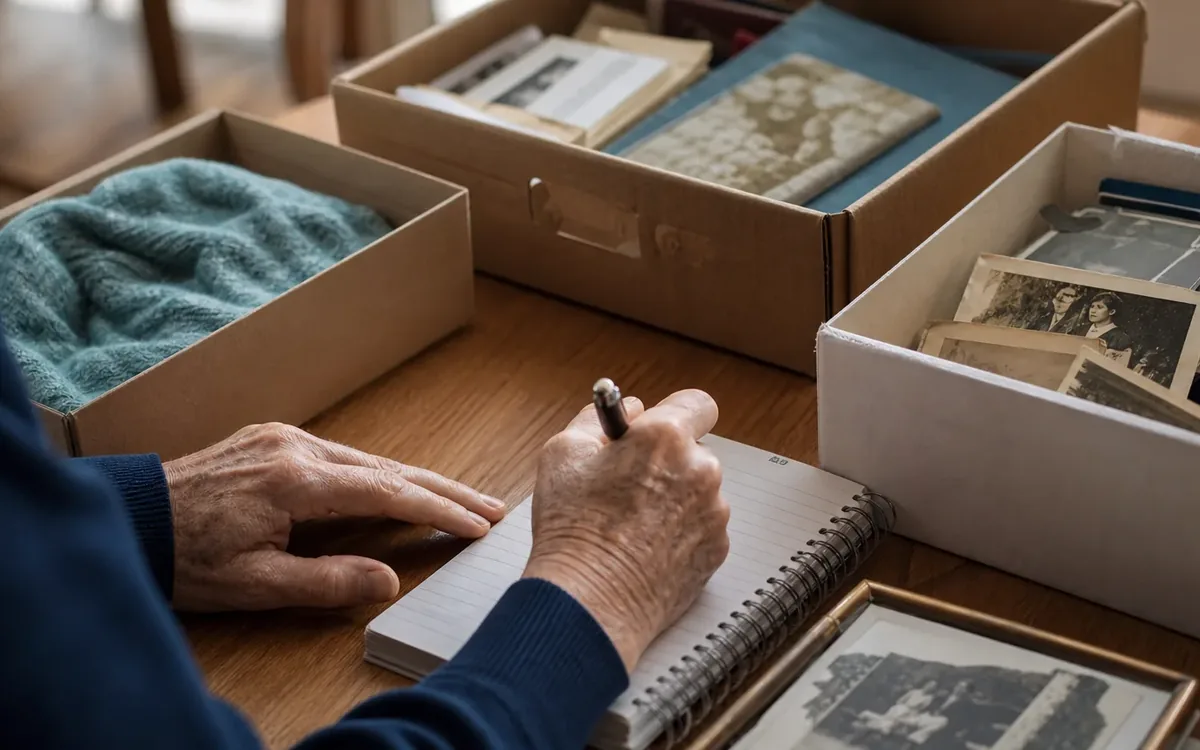
- Family photographs, albums, letters, Bibles, and genealogical material
- Items bearing names, initials, inscriptions, signatures, or inventory numbers
- Sealed boxes or containers whose contents have not yet been reviewed
- Objects specifically named in a will or discussed among beneficiaries
- Items with visible damage, repairs, missing parts, or altered surfaces
For a potentially valuable object, take front, back, side, underside, maker’s mark, signature, label, serial number, and damage photographs. Avoid aggressive cleaning before an appraiser sees it. Cleaning can remove finishes, labels, residue, or other features relevant to identification and value.
An appraiser decides what an item is worth and what supporting photographs are needed. An auction company, estate-sale provider, dealer, or buyer may use different standards. The household chooses whether to pursue those separate services, subject to the estate representative’s authority.
Clutter Cleaner of South Carolina lists estate cleanout support throughout South Carolina for households that need practical help carrying out approved sorting and removal decisions. Questions about title, beneficiary rights, taxes, or required inventories should go to the appropriate attorney, fiduciary, tax professional, or court authority.
Should documents, keys, and digital devices be photographed?
Yes, but photograph sensitive material selectively. The goal is to identify and preserve it, not to create unnecessary copies of private information.
For papers, a cover page, folder label, envelope, or box label may be enough during the first pass. Preserve originals that could relate to:
- Wills, trusts, deeds, titles, or court matters
- Bank, retirement, investment, loan, or tax records
- Insurance policies and claim information
- Business interests, contracts, leases, or royalties
- Military, employment, pension, or benefit records
- Funeral, cemetery, medical, or end-of-life arrangements
- Receipts, appraisals, warranties, and repair records
- Safe-deposit boxes, storage units, or off-site property
Avoid casually sharing images that expose account numbers, Social Security numbers, passwords, medical details, or signatures. Store those images separately with restricted access.
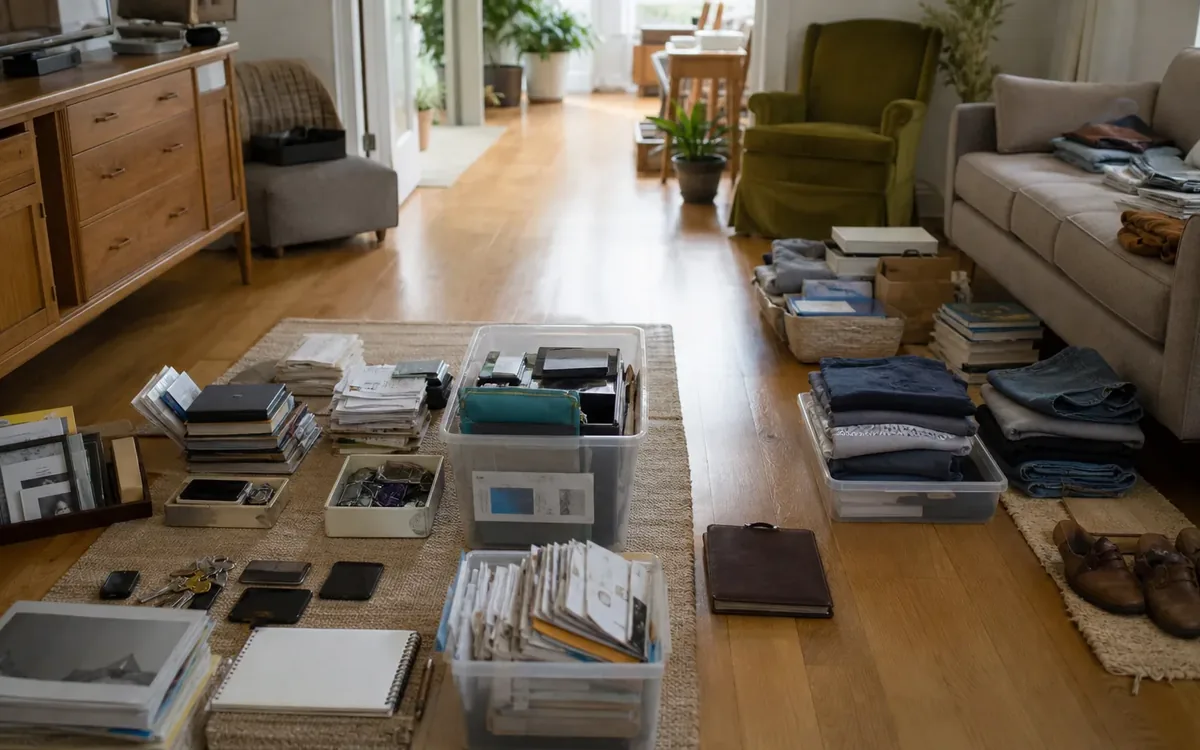
Photograph keys in labeled groups rather than as an unidentified pile. Note where each group was found, but do not post key patterns or access details publicly. Photograph safes and locked cabinets before seeking authorized access.
Phones, computers, tablets, external drives, and memory cards may hold financial records or family archives. Do not reset, donate, recycle, or discard them until the authorized person decides how data should be handled. Digital access rights, passwords, privacy, and account administration may require guidance from the estate’s attorney, personal representative, service provider, or relevant platform.
How do you document condition without creating confusion?
Use objective descriptions. A filename such as upstairs-bedroom-ceiling-stain-01 is more useful than major-roof-leak. The first records what is visible. The second assumes a cause that has not been professionally determined.
Capture both context and detail. For example, take one image showing where a wall crack appears in the room, followed by a closer image showing its visible shape. Apply the same method to moisture marks, broken windows, damaged furniture, disconnected appliances, or disturbed locks.
Do not rely on photographs to answer technical questions. Keep these roles separate:
- The household or authorized representative decides what visible conditions to record and who may receive the images.
- A cleanout or move team may discuss access, items that must remain in place, pathways, removal categories, and visible hazards affecting the work.
- An inspector evaluates property systems and conditions within the scope of an inspection.
- A contractor diagnoses work in the contractor’s field and proposes repairs.
- An insurer or adjuster determines documentation and coverage requirements for a claim.
- A real-estate professional advises on listing preparation and presentation within that professional’s role.
- A code official or other authority determines applicable compliance requirements and whether corrective action is accepted.
If damage may relate to an active claim, disputed responsibility, or required disclosure, ask the relevant professional what to preserve before cleaning or repairs alter the scene.
How should photos track where belongings go?
Initial room photographs show what was present. A second set should record decisions and destinations. This is especially important when family members, donation recipients, storage providers, sellers, and disposal companies are involved.
Create clear categories such as:
- Keep at property
- Transfer to named recipient
- Hold for professional appraisal
- Consider for auction or estate sale
- Move to separately arranged storage
- Donate through a chosen organization
- Recycle or dispose after approval
- Do not move pending legal or ownership guidance
Photograph each group before it leaves. Include a label in the frame when practical, then photograph loaded boxes or larger objects. For handoffs, retain the records provided by the receiving business or organization. A photo of a pile alone does not show who received it or whether the transfer was authorized.
Storage is a separate household decision and provider relationship. The responsible person should choose the facility or arrangement, understand its terms, decide who has access, and document what enters it. A cleanout or move team may discuss packing, labeling, or transport needs when those tasks are within the agreed scope, but storage security and contract terms remain with the selected provider and customer.
For more context on how sorting, removal planning, and final review fit together, read how estate cleanouts work.
How should the photo record be organized?
A folder structure is more reliable than leaving hundreds of images in one camera roll. Retain original files when possible because editing, screenshots, and messaging apps can remove detail or metadata.
A practical structure might include folders for:
- Exterior
- Each named room
- Garage, shed, attic, or other storage area
- Documents requiring review
- Valuables and appraisal candidates
- Property condition
- Beneficiary distributions
- Sale, donation, recycling, and disposal
- Storage or off-site transfers
- Final empty-room condition
Use consistent filenames with the room, subject, and sequence number. If dates are important, confirm that the device’s date and time are correct before starting. Back up the files to a location controlled by the authorized representative, and limit access to people who need it.
A simple written index can connect an image number to an item, original location, decision status, and destination. Do not overwrite uncertainty. Mark an item as decision pending rather than guessing its owner or value.
Before deleting duplicates, confirm that they are truly redundant. Slightly different angles may reveal a serial number, condition issue, or nearby object that becomes relevant later.
What should be photographed after the home is emptied?
Take final wide photographs of each cleared room and any area used for staging. Record floors, walls, built-ins, closets, cabinets, garages, exterior areas, and items intentionally left behind. Also photograph returned keys or documented handoffs when appropriate.
Final images can help distinguish pre-existing conditions from changes that occurred during sorting or removal. They can also show the estate representative what remains before cleaners, contractors, inspectors, real-estate professionals, or buyers become involved.
These photos do not establish that the home is legally ready for sale, compliant with applicable requirements, fully cleaned, repaired, or free of undiscovered property. Those determinations belong to the responsible professionals and authorities. The authorized seller and real-estate professional should decide what sale-preparation documentation is useful.
Mistakes that weaken an inherited-home photo record
Avoid these common problems:
- Beginning removal before taking room-wide photographs
- Photographing valuables without maker’s marks or identifying details
- Mixing images from several properties in one folder
- Sharing sensitive documents in a family group message
- Using vague filenames that cannot be connected to a room
- Cleaning or repairing an object before documenting its condition
- Treating a photo as proof of value, ownership, or legal authority
- Photographing unsafe areas instead of waiting for qualified help
- Failing to record boxes or objects as they leave the property
- Deleting originals after sending reduced copies by text or email
The most useful record is neutral, orderly, and connected to actual decisions. It should help the authorized people understand what existed, where it was located, what condition was visible, and where it went.
Short FAQ
Do we need to photograph every ordinary household item?
Usually, broad room and cabinet images can record ordinary contents without individual photos. Give separate attention to valuables, disputed items, documents, unique objects, and anything whose condition or destination matters. A legal professional may recommend a different level of detail for a particular estate.
Can family members remove their belongings after the photos are taken?
A photograph does not create permission to remove property. The personal representative or other authorized person should approve distributions according to the applicable estate documents and legal process. Seek legal guidance when authority or ownership is unclear.
Should we photograph trash and donation loads?
Photograph grouped contents before departure if the images help document the approved decision. Keep receipts or records from the chosen recipient when available. Disposal and donation choices belong to the authorized household representative, subject to any legal or environmental requirements.
Who decides whether an item needs an appraisal?
The authorized representative chooses whether to consult an appraiser, often with advice from an attorney, tax professional, fiduciary, auction professional, or insurer. A cleanout team can set an item aside as directed but should not substitute a removal decision for a qualified valuation.
When should the cleanout pause?
Pause when you find a will, cash, weapons, hazardous materials, unidentified remains, locked containers, disputed property, evidence of significant damage, or records that may affect estate administration. Contact the appropriate legal professional, qualified provider, insurer, or public authority before proceeding.



