Before an estate cleanout in Columbia, SC, set aside anything that may belong to someone else. Check rental papers, labels, bills, and family notes before sale or removal. Record each ownership question, then seek clear return instructions. Leave disputed items in place until the person handling the estate gets proper advice.
Quick answer: Make a separate hold list for borrowed, rented, and provider-owned items. Photograph each item and its identifying marks. Match it with records, then contact the named owner or provider. Confirm pickup or return terms before moving it. Keep proof of each return with the estate records.
How do you spot borrowed items before an estate cleanout?
The estate cleanout service overview and guide to how estate cleanouts work offer context for planning removal. Start your ownership check before sorting items for sale. Look for provider labels, rental tags, names, and equipment numbers. Treat these as clues, rather than proof that the estate owns the item.
Walk through each room with the person handling the estate. Include the garage, shed, porch, and any work area. Items used every day can be easy to overlook. A plain chair may be borrowed from a neighbor.
Medical equipment needs special care during this check. Beds, oxygen equipment, walkers, and other aids may have provider labels. Some may be owned; others may be rented or loaned. Don’t remove needed equipment while someone still relies on it.
Look for these clues without taking equipment apart:
- Photograph rental labels, company names, and serial numbers without removing tags or covers.
- Check tool cases, storage bins, and furniture for another person’s name or address.
- Flag medical equipment, leased appliances, and provider devices for a separate ownership review.
- Ask relatives about borrowed items without treating a memory as final proof.
- Leave attached equipment in place until the responsible provider explains safe removal steps.
Take one wide photo and one close photo of each item. The wide view shows where it was found. The close view helps match records to the right object.
Avoid broad rules based on looks or age. A worn item can still belong to a provider. An item inside the home is not automatically an estate asset.

What records help confirm who owns an item?
The guide to the best way to clean out an estate and estate cleanout service information help you plan what to sort. Use written records to check clues about who owns each item. Match each item with its rental papers, receipts, and bills. Ask for help when those records don’t agree.
Start with the household’s usual filing spots. Check folders marked medical, home, utilities, rental, or repairs. Search email only when the person doing so has proper access. Don’t bypass passwords or assume family ties grant account access.
A rental agreement may identify the provider and the item. It may also describe return terms or pickup rules. Read the full agreement, including any later changes. Don’t assume the last bill contains all the terms.
Compare the item number with the agreement. Similar equipment can come from different sources. A receipt for a purchase may cover a different model. Match serial numbers when they are present.
Useful records may include:
- Rental agreements can identify equipment, account holders, provider contacts, and stated return terms.
- Purchase receipts can help show ownership when they match the item’s identifying details.
- Current bills can point to an active lease or equipment account needing review.
- Emails and text messages may explain a loan, though disputed claims need further review.
- Return receipts can show that a provider already collected a listed item.
Keep copies together, but protect private details. A cleanout team usually needs handling instructions, not full account records. Share the minimum needed for the task.
If ownership remains unclear, mark the item as on hold. The estate’s responsible decision-maker may need legal advice. A cleanout team cannot settle title or interpret disputed contract rights.
How should you arrange returns with equipment providers?
The guide to how estate cleanouts work and estate cleanout service overview can help you plan for pickup. Call the named provider for the South Carolina home before booking removal. Ask which item they’ll collect and what account records they need. Find out who can approve the return and what proof to send.
Use contact details from the agreement or a verified provider channel. An old sticker may list a former branch. Explain that you are reviewing equipment at an estate property. Avoid sharing private records until the provider explains what it needs.
Ask about pickup, delivery, and packing rules as separate choices. The provider may require its own staff to collect equipment. A household may choose another transport provider when allowed. Don’t assume an estate cleanout service includes rental returns.
Use this five-step return process:
- Confirm the provider owns the exact item by checking its serial number or account record.
- Ask what authority or paperwork the provider needs from the person handling the estate.
- Get clear pickup or return instructions, including any required parts, cases, or attachments.
- Record the agreed handoff plan and tell the cleanout team which items remain excluded.
- Save the return receipt and note any account questions that still need follow-up.
A physical return and an account closure are separate matters. Ask the provider to explain any remaining steps. Don’t assume charges stop when an item leaves the house. Contract or billing disputes belong with the provider and the appropriate adviser.
For attached equipment, ask who can safely disconnect it. Contractor work is a separate service choice. A cleanout team should not be asked to handle an unsafe connection.
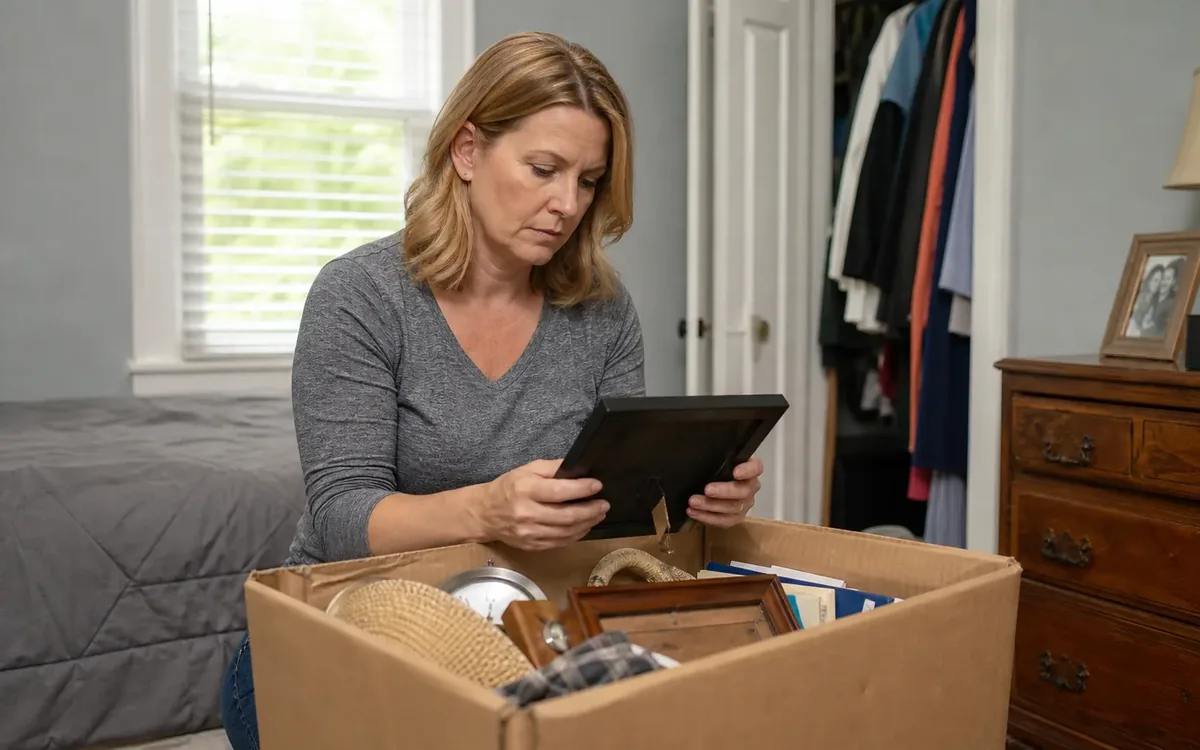
Build a clear ownership hold record
The estate planning and sorting guide and guide to the estate cleanout process help you plan the work. Keep one shared list of items whose owner is unclear. Give each item a clear label and matching list entry. This helps each helper track items without deciding who owns them.
A hold record can be a paper folder or shared file. Choose a form the responsible household members can use. Keep the main record with one named coordinator. Scattered notes can lead to conflicting directions.
For each item, record its name and current location. Add the serial number, photo reference, and possible owner. Note which document supports the claim. Include the contact person and the next step.
Use plain status terms such as “awaiting provider reply” or “return arranged.” Avoid “free to remove” until someone with authority approves that action. Record who gave approval and on what basis. Keep a date with each change.
Place a visible hold label near the item. Don’t cover vents, controls, safety labels, or serial numbers. For small objects, use a marked bin when safe. Keep mixed-owner contents out of the same box.
One corner can serve as a hold area for portable items. Heavy or attached items should stay where they are. Storage elsewhere is a separate household or provider choice. Moving an uncertain item can make return harder.
Review the hold record before anyone loads a vehicle. Compare the list with the room labels. If instructions clash, stop that item’s movement. Resolve the question through the responsible decision-maker, not a quick vote among helpers.
Keep borrowed items out of sales and disposal
The estate cleanout service page and guide to the best estate cleanout approach explain how to plan the sorting work. Keep items on hold apart from things cleared to leave. An item’s value doesn’t prove who owns it. Add it to the sale list only when the person in charge clears it.
An auction or estate sale plan should exclude all unresolved items. Give the sale provider a clear list of exclusions. Check photos before publishing them. A room photo may show equipment that is not for sale.
Don’t let an appraisal settle an ownership question. An appraiser can assess value within the agreed scope. Legal ownership and authority to sell remain separate issues. Seek the appropriate professional when those issues are disputed.
Use clear limits during sorting:
- Mark borrowed and rented items as excluded from sale, donation, and disposal piles.
- Tell sale providers about excluded items before they prepare listings or room photographs.
- Keep rental attachments with their main equipment unless the provider gives different instructions.
- Confirm ownership before choosing a separate recycling, donation, or disposal provider for an item.
Do not discard something merely because it seems broken. A provider may still require its return. Ask about missing parts or damage instead of trying repairs. Altering the item could complicate the return.
For estate-owned goods, the EPA’s reuse and recycling guidance supports considering reuse before disposal. That choice comes after ownership is clear. It does not replace provider return rules or local handling requirements.
Treat chemicals, batteries, and medical materials as separate safety questions. Ask the relevant provider or authority about proper handling. A general cleanout plan is not disposal approval.
Make the final handoff clear for everyone
The guide to how estate cleanouts work and estate cleanout service information help you plan the handoff. Give each provider a task list that states what’s off limits. Choose who will take calls and where to group cleared items. Leave legal rulings and equipment methods to those with the right role and training.
Before removal begins, review unresolved items with the team. Point them out in person when possible. Written labels should match the hold record. Verbal instructions alone can be lost during a busy sort.
A practical cleanout or move team may discuss room access and loading paths. It may also discuss which items must stay untouched. Confirm the agreed scope rather than assuming return transport is included. Provider pickup and storage remain separate arrangements.
Keep property decisions separate from the contents plan. Removing attached equipment can affect utilities, walls, or fixtures. A real-estate professional can advise on sale-related questions within their role. A contractor, inspector, or authority should address technical or compliance needs.
After each return, update the hold record. Save a receipt showing the item and recipient. If no receipt is offered, ask for written confirmation. Keep unresolved billing questions open until the responsible party addresses them.
A final room review should compare three things: labels, records, and actual contents. Missing items need follow-up before records are closed. A tidy room alone does not prove every return was completed.
Clutter Cleaner of South Carolina serves all of South Carolina. Its physical location is Mount Pleasant, SC; Charleston is its primary market. For a Columbia property, ask about the estate cleanout scope and ownership exclusions. Keep separate provider duties clear from the start.
FAQ
The estate cleanout process guide and estate cleanout service overview explain the larger task. These answers cover items on hold and things to return. Keep a clear record when you don’t know who owns something. Get clearance from the person in charge before sale, and provider instructions before pickup.
Can family members take an item they say they loaned?
Record the claim and check any supporting messages or receipts. Ask the person handling the estate to approve the handoff. If another person disputes the claim, keep the item on hold. A family statement can help identify a loan, but it should not end a real ownership dispute.
What if a rental agreement cannot be found?
Use the item’s label, serial number, and recent bills as starting points. Contact the apparent provider through a verified channel. Ask what records it can supply and what authority it needs. Keep the item out of sale or disposal until ownership and return duties are clear.
Should rented medical equipment be unplugged before pickup?
Ask the equipment provider for instructions first. Don’t interrupt equipment still needed for care. Check with the care team when continued use is involved. A cleanout team should not make care decisions or attempt unfamiliar disconnection work. Arrange the proper handoff before changing the setup.
Does returning equipment settle the rental account?
It may not settle every account issue. Ask the provider how it records the return and handles remaining terms. Save the receipt and any written reply. The responsible estate representative should address unresolved charges or contract questions, with legal advice when needed. Don’t treat pickup as account closure.
Who decides if an uncertain item can be sold?
The person with proper authority for the estate must make that decision. Disputes may require legal advice or direction from the relevant authority. An appraiser assesses value, not title. A sale provider or cleanout team should receive clear approval rather than decide who owns the item.