What to get rid of first when downsizing should be the easy, low-risk excess. Begin with expired routine goods, obvious household waste, worn items with no safe use, and duplicates you do not choose first. Leave documents, valuables, family property, and sentimental boxes for a planned review.
Quick answer: First remove obvious waste and review low-emotion duplicates such as extra linens, kitchen tools, toiletries, and unused décor. Confirm recycling or disposal rules before anything leaves. Do not start with photographs, legal papers, valuables, medications, disputed property, or objects that belong to another person.
What to get rid of first when downsizing?
Start with belongings that carry little emotion and little risk: obvious waste, expired routine products, damaged items with no safe use, and duplicates you would not choose for the next home. Protect sensitive or disputed items. Early decisions should teach the process without creating regret, privacy harm, or family conflict. For the related service scope and planning steps, review our downsizing and organizing support and room-by-room downsizing planner.
Plan the destination space before clearing the current one. Measure kitchen cabinets, closets, bathroom storage, and large furniture areas. A duplicate is easier to identify when you know the next home has one linen shelf or space for one set of mixing bowls.
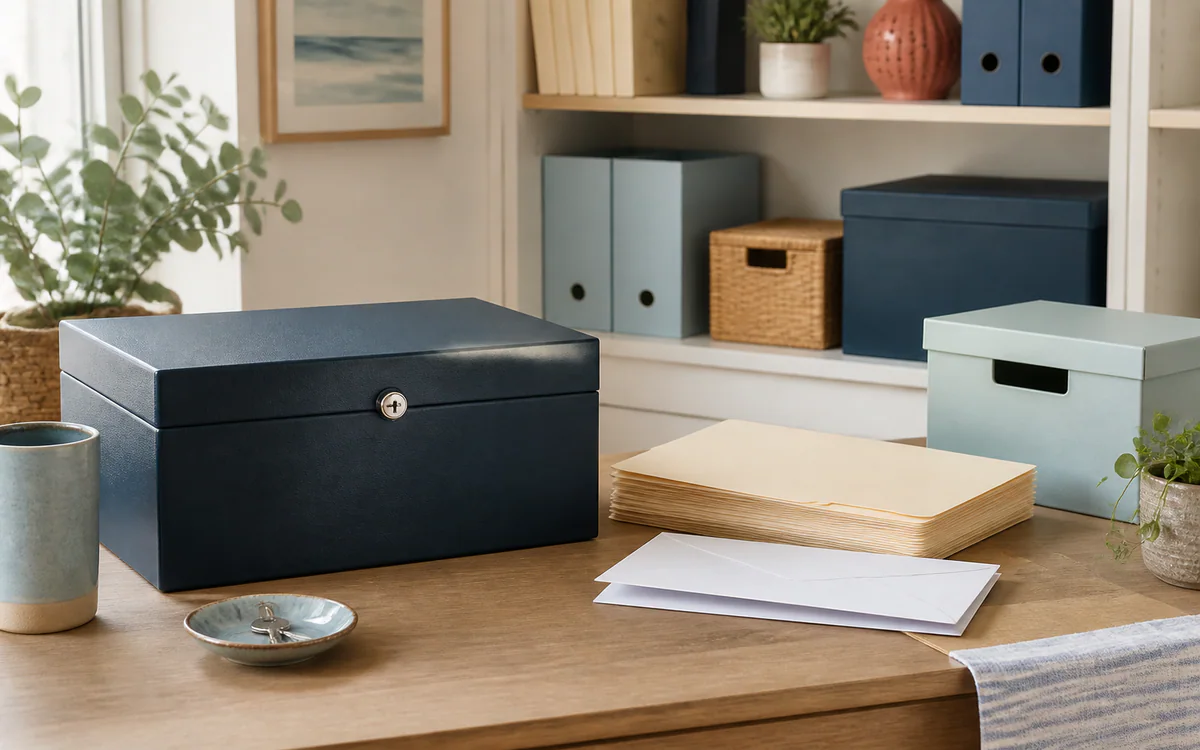
Walk through the home without removing anything. Mark daily-use zones, private records, medications, keys, devices, valuables, and family keepsakes. These groups need protection. Also note obvious starters such as empty packaging, broken routine items, and products the household no longer uses.
Begin with one contained area. A bathroom cabinet or kitchen utensil drawer works better than an entire garage. Pull out the contents, clean the space, and compare like with like. Return the chosen keepers before opening the next area.
Use a first-pass order:
- Clear ordinary household waste
- Separate expired routine goods
- Review unsafe damaged items
- Compare exact duplicates
- Return chosen daily items
- Hold questions for later
“Get rid of” still needs a real destination. Household waste, hazardous products, electronics, paper, and reusable goods may follow different rules. Do not combine them in one bag. Product labels and local programs can guide the next step.
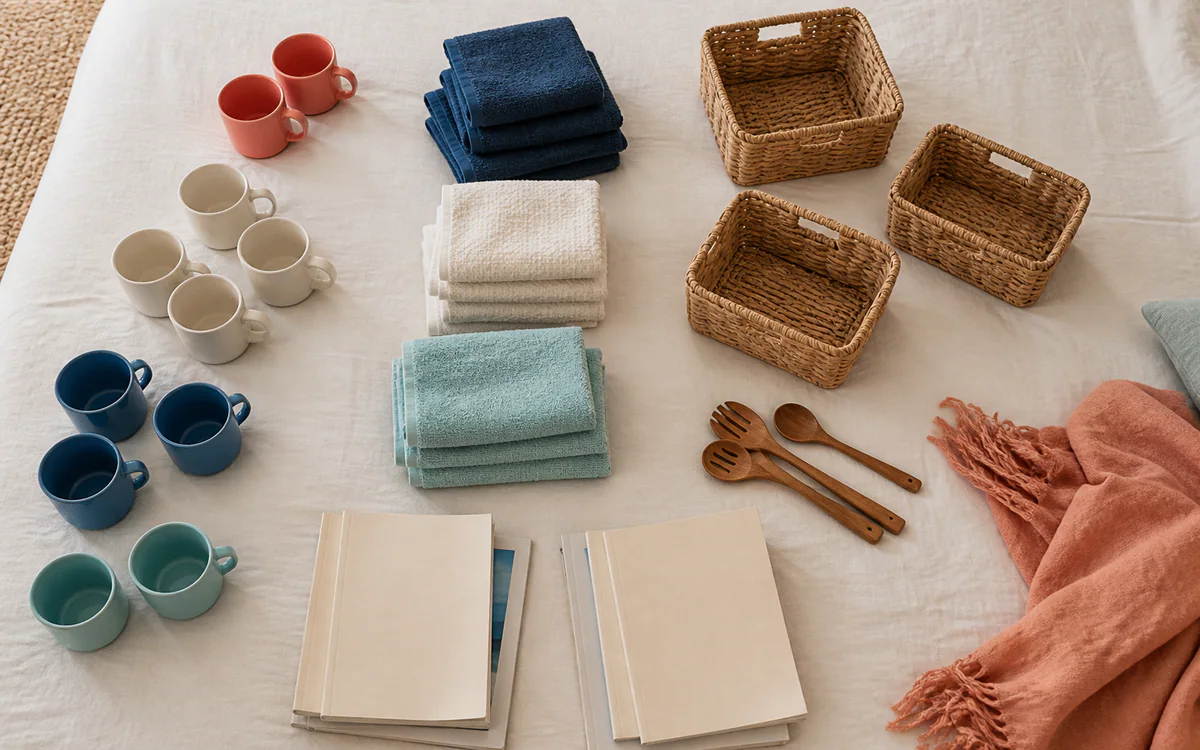
When comparing duplicates, choose the one in the best condition and the one you actually reach for. Keep the right number for normal life in the next home. A household that hosts often may need more dishes than one that does not. The plan should reflect routines, not a generic count.
The room-by-room downsizing planner gives each item a recorded next action. Downsizing and organizing support can help organize an agreed scope. It does not decide ownership, value, or what a family member must release.
What is the hardest thing to get rid of when decluttering?
The hardest item is tied to self, grief, duty, or a hoped-for life. Do not force the choice. Name its meaning, compare keepsakes, and think about a photo or story. Use a review box when the answer is not clear. Related South Carolina planning tools include our downsizing and organizing support and room-by-room downsizing planner.
An object may represent a person more than a practical need. A coat, tool, recipe box, or chipped cup can carry a whole relationship. Ask what part matters: the handwriting, the story, the use, or the feeling of responsibility. The answer suggests what should be preserved.
Compare items that carry the same memory. Ten objects from one relative do not each hold a separate duty. Choose the piece that tells the clearest story or fits daily life. A representative object can carry meaning without consuming the space of a full collection.
Record context before release. Take a clear photo and add a name, place, or short memory. Ask family members if they want the story or item. Give them a reply date. Do not ship a surprise box or assume silence means yes.
Create a memory limit based on the next home. It may be one shelf, one trunk, or a set number of display areas. A limit is not punishment. It lets meaningful objects compete with other meaningful objects instead of with every ordinary possession.
Some belongings should pause for authority or professional review. Family property, estate items, valuables, records, and disputed objects do not belong in a fast decluttering routine. Put them in a protected area with a responsible person and written next step.
Let the decision remain open when needed. Use one review box and a date. If the box fills, compare the items inside. Avoid creating many “later” cartons with no owner. Unbounded delay turns uncertainty into a storage system.
Hard choices deserve shorter sessions. Stop when people become defensive, tired, or unable to explain decisions. Return to a low-emotion task or end for the day. Preserving trust matters more than finishing a box.
What is the 12-12-12 rule for decluttering?
The 12-12-12 rule asks you to find 12 items to discard, 12 to donate, and 12 to put away. It is an optional prompt. Check each path, lower the counts if needed, and exclude private, valuable, emotional, or disputed items. To turn this answer into a practical plan, compare downsizing and organizing support with the room-by-room downsizing planner.
The strength of the method is its finish line. Thirty-six decisions may feel more possible than “declutter the house.” Yet a count can also push people to make choices for the sake of completing the exercise. The household can use three, six, or another number that fits its energy.
Choose the work zone first. The rule becomes chaotic if people search the whole home for enough objects. One kitchen, bathroom, or closet creates a useful boundary. Count only items within that area unless a misplaced object clearly belongs elsewhere.
Define “discard” carefully. It does not mean every object goes into household trash. Some products, electronics, batteries, chemicals, or large items need a different local path. Read labels and check the appropriate program before moving them.
“Donate” means possible donation until a recipient accepts the item. Condition, demand, season, space, and safety rules may affect acceptance. The AARP guide to household-item options can help you form questions for different categories.
The “return” group may offer the most immediate value. A clear counter, an open chair, or a working entryway changes daily life without removing property. Give every returned object a named home. If no home exists, it needs a new decision.
Keep a short count on paper if that feels useful. Record both the planned paths and the numbers. “Six possible donations awaiting confirmation” is more honest than “six donated” while the items remain in the hall.
Stop when the method reaches high-emotion or private items. A numerical rule cannot set record-retention periods, decide ownership, or measure sentimental value. Move those items into the proper review process.
What is the 3-3-3 rule for decluttering?
There is no official 3-3-3 rule for decluttering. The label has several meanings. One version uses three items from three areas for three days. Define the method first, give each item a next step, and stop if choices seem rushed. For additional planning context, see downsizing and organizing support and the room-by-room downsizing planner.
This smaller method may suit a household with limited time or energy. It creates nine decisions a day and a three-day review point. The goal is consistency. Nothing requires all nine items to leave the home.
Select low-risk areas with obvious edges. Try one utensil drawer, one bathroom shelf, and one coat hook. Avoid choosing the family office, jewelry drawer, and photograph box. A routine should lower the barrier to starting.
Use the same labels each day: keep here, keep elsewhere, question, and confirm destination. Return keepers immediately. Put questions in the single review area. Record outside paths as pending until verified.
At the end of three days, review the system. Which category took the most time? Did the person feel better or pushed? Are objects collecting in a hallway? Adjust the next cycle. A method that creates piles needs a stronger handoff step.
Do not use the rule on someone else’s belongings without permission. Helpers may bring items to the owner, record choices, and handle agreed tasks. They should not decide that three objects must leave because the routine says so.
The count can support a larger room plan. Use 3-3-3 on days between longer sessions, then update the main inventory. Small work still needs to connect to the next home’s measurements and the project timeline.
If the method sounds like another obligation, skip it. One shelf every Tuesday may fit better. A useful decluttering rule explains where to start and when to stop. It should not create guilt.
What is the 90 90 rule to declutter my sentimental items?
The 90/90 rule asks if you used an item in the last 90 days or may use it in the next 90. It can guide goods. Keepsakes, seasonal items, and records need other tests, so use it as a prompt. The next steps connect to our downsizing and organizing support and room-by-room downsizing planner.
For duplicates, the use test is revealing. If you always choose one serving dish, lamp, or blanket, ask what purpose the others serve. Then look at condition and next-home space. The answer may be to keep one, but the household makes that choice.
For sentimental pieces, add a meaning test. What story does the item carry? Is that story unique to this object? Where would it live or be displayed? Could a photograph, written note, or smaller representative item preserve the connection?
Seasonal goods need a longer window. Review the last full season and the next likely use. Clothing may depend on climate, planned events, or size. Documents follow retention and privacy needs rather than a use calendar.
Pair the rule with a container. Set the physical space available for keepsakes, then compare objects inside the category. A clear shelf is more useful than the instruction to “keep only a few.” It turns space into a visible fact.
Do not let the 90-day question erase uncertainty. A protected review area and date allow time for family input. Keep the area limited. If a new object enters, compare it with one already there.
For ordinary goods cleared to leave, the EPA’s general reuse and recycling guidance encourages checking local options and accepted materials. Privacy, safety, condition, and recipient rules still apply.
The best first items are the ones that let the household practice safely. Clear waste. Compare duplicates. Return daily objects to their places. Save the hard stories for a day when there is enough time to hear them.
Close the first work zone before you start the next one. Put the kept goods back. Mark the review box. Clear the floor. Write down each path that still needs a call. This short reset keeps one shelf from turning into five loose piles.
Take note of what felt easy. The next zone should have the same low risk. If cups were simple, try one shelf of bowls. If old mail caused stress, move paper to its own safe plan. Let the first hour teach the next hour.
Do not use empty space as proof that more must go. The new home needs clear paths and useful storage, but it should still feel lived in. A loved chair, a set of tools, or a shelf of books may earn its place through daily use or joy. The owner makes that call.
End with one clear note for the next day. Name the room, the first small zone, and the person who may decide. Then rest.
Start the next day with that note. Check the floor and path first. Bring out one group. Stop once that zone is back in order. A small clean end will do more good than a large loose pile.