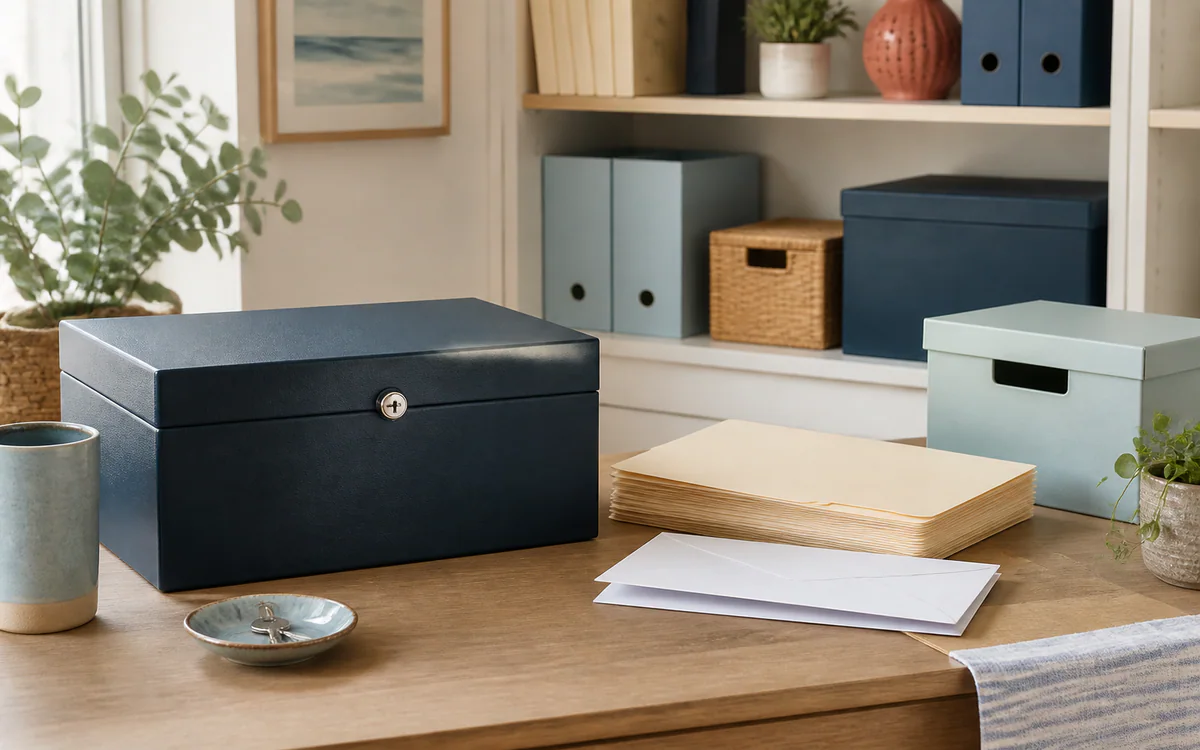
What paperwork to keep and what to throw away can look like a small part of a move. It is not. A few drawers may hold an ID, home deeds, tax files, health facts, family notes, and years of mail. Keep it safe first. Sort it next. Shred only when the right source says the file may go.
Quick answer: Keep current papers and source records that are hard to replace. This may include ID, home, tax, insurance, law, health, and money files. Ask the office that sent them or a qualified adviser how long to keep them. Shred private papers cleared to go. Check local rules before plain paper is recycled.
What paperwork to keep and what to throw away depends on the paper and why it exists. No sort list can set each keep time for law, tax, money, health, or home files. If a page is in doubt, place it in a safe review folder. Do not rush.
The owner, or a person with a clear right to act, should control access. Help with boxes does not grant the right to read bank or health files. Name each role before paper comes out of a drawer.
What paperwork to keep and what to throw away?
Keep papers that prove who you are, what you own, what you owe, or what a key plan says. Hold tax, law, health, and insurance files until their keep time is checked. Toss only low-risk paper with no use. Shred private facts. Pause if the owner, purpose, or rule is unclear. For the related service scope and planning steps, review our downsizing and organizing support and room-by-room downsizing planner.
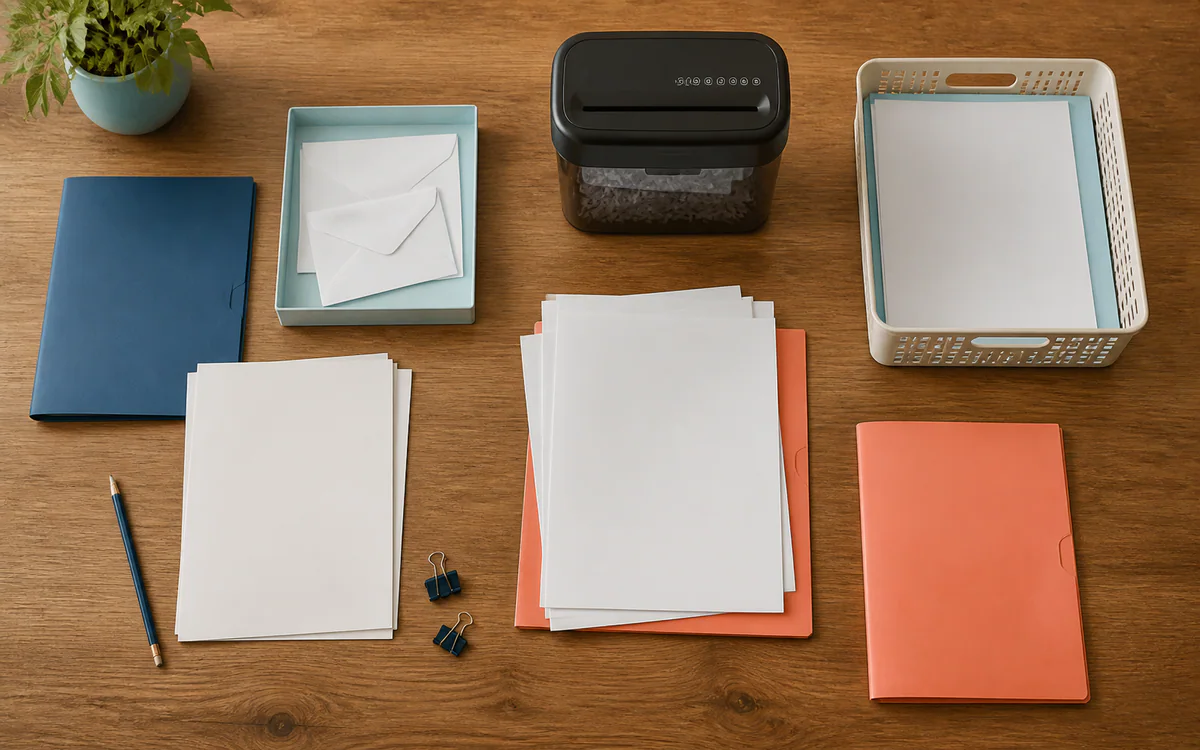
Start with five work folders: use now, keep safe, family review, expert review, and cleared to shred. These are short-term choices. They let the home sort one box without a final call on each page.
The use-now folder holds papers needed in the move. It may hold an ID, move plan, power contact, insurance card, lease, home deal paper, or bill. The list will vary. Keep it with the person in charge, not on the truck.
The keep-safe folder holds key source copies that are hard to replace. It may hold birth records, home papers, current law files, insurance, tax files, titles, deals, or health facts. This list will not fit each home. Ask the source office or right adviser if a paper’s role is not clear.
Use family review for papers with personal meaning or unclear ownership. Letters, photographs, recipes, school records, and genealogy notes may not have a formal retention rule, but they can matter deeply. Let the owner choose what remains original, what may be copied, and who may receive it.
Expert review is the safe stop for a question outside the sort role. It may hold an old deal, odd tax form, blank law paper, disputed deed, or file tied to an open case. Mark the question. Keep private facts off the folder.
The shred folder should hold only papers a named person has cleared. Keep it safe until the shred step is done. Do not leave bank or health files in an open bag. One tear does not make a page safe.
Routine paper can often be reduced after review:
- Empty mail with no private facts.
- Old product cards.
- Blank forms no one uses.
- Extra low-risk copies.
- Old offers and ads.
- Guides found at a trusted source.
Even an ordinary-looking page may contain a name, address, barcode, signature, or account detail. Check both sides. Remove labels from folders or boxes before those containers leave the home.
The AARP guide to getting rid of household items explains several ways to release belongings. Paper needs an added privacy check before it joins any outgoing path. A book, binder, desk, or handbag should also be examined for hidden records.
For clean plain paper cleared to go, check local rules. The EPA’s recycling information says to cut waste and check local plans. Rules differ. Ask what paper the local plan takes. Safe care comes first when a page has private facts.
How do you keep important documents safe and organized?
Keep important documents safe and organized with one safe work spot, the same folder names, and a short file index. Keep source copies apart from day-to-day papers. Let only named people see private files. Put them back after each work block. Guard useful scans, back them up, and test them. Related South Carolina planning tools include our downsizing and organizing support and room-by-room downsizing planner.
Choose a work surface away from outgoing boxes. A private desk or locking room is better than the garage floor or donation table. Bring only one paper container into the area at a time. This makes the stopping point clear and reduces the chance that records mix with unrelated items.
Sort by use as well as by year. Broad groups can cover identity, home, insurance, tax, money, health, law, active bills, and family history. Add more folders only after these groups make sense. Too many labels at the start can slow the work and hide copies.
Use the home inventory worksheet or a safe list as a file index. Note the group, main file place, person in charge, and next task. Do not copy bank numbers, passwords, health facts, or ID numbers into it.
Keep active and old papers apart. A live bill should not hide in years of old mail. A key source copy should not ride with loose mail. Files are safer and easier to find when each group has one use.
Use one name style for scans. Add a broad date, group, and short note. Keep private numbers out of file names. Match scan folders to the paper file when you can. Then make sure the named person can find and open them.
A scan is not safe just because it is online. Use a trusted place, firm sign-in rules, and a backup. Do not put private files in a wide shared folder for ease. Password and reset facts need a safe plan, not a note in the paper box.
Paper storage should be dry and stable. Avoid damp floors, hot attics, open porches, and parked cars. Some originals may need added fire or water care, a bank box, or special archive supplies. Ask the right office or adviser what suits the record.
At each stop, count the private folders and put them back. Update the index. List open questions. Do not leave a “decide later” pile out all night. The close step is part of the safe file plan.
How to downsize from a three bedroom to a one bedroom?
Downsize from a three-bedroom home to a one-bedroom home by using the new room sizes, not the old room count. Keep what aids daily life. Guard key papers and must-have items first. Give each kept thing a set place. Sort in small stages, with clear roles and checked paths for items that leave. To turn this answer into a practical plan, compare downsizing and organizing support with the room-by-room downsizing planner.
Obtain the one-bedroom floor plan and confirm measurements whenever possible. Note closets, kitchen storage, doors, halls, windows, and the path from the entrance. Measure furniture too. A favorite dresser may fit a wall but fail to clear the hall or allow its drawers to open.
Use the room-by-room downsizing planner to map old rooms into new functions. The new bedroom may receive items from three former bedrooms. The living room may also need to serve as an office or guest space. Plan by activity instead of trying to recreate each former room.
Start with essentials for the first days:
- ID and key papers.
- Needed pills and health aids.
- Safe bed and sheets.
- Day-to-day clothes.
- Basic pots and dishes.
- Phone and charge cords.
- Daily walking aids.
- Current bills and contacts.
The home should define what it must have. A sort team can log and pack the choices. It should not choose which health aid, law file, or money record is needed. Those calls stay with the person and the right advisers.
Set capacity limits from the new home. If the closet has one hanging rail, measure it. If the kitchen has six drawers, assign a purpose to each. If the living room fits one storage cabinet, decide what that cabinet must hold. Real capacity makes choices clearer than a broad instruction to “take less.”
Give each kept item a named destination. “Take” is incomplete. “Bedroom dresser, top drawer” or “hall closet, labeled document case” is a usable plan. Items without a destination return to review. Do not solve uncertainty by renting storage automatically. Storage can postpone choices and add another location to manage.
Pack the safe paper case on its own. Keep the action file, index, contacts, and move-day records with the person in charge. Mark common boxes by room and broad contents. Keep private tags plain. “Private files” is safer than a bank or health group on the box.
Use a log for things that will not move. Note the item, owner, planned path, and person in charge. No path is a sure thing. Call the buyer, gift site, charity, recycle plan, or waste firm before you load goods or make a claim.
The downsizing and organizing service can help list goods, sort rooms, plan space, pack, and log each handoff. Clutter Cleaner does not set value, settle who owns an item, or give law, health, tax, money, or home-sale advice.
Is it best to declutter one room at a time?
One room at a time often works well. It gives the task a clear end and keeps piles from the rest of the home. Key papers are the main exception. Move them to one safe file plan, not a new file in each room. Work in small zones. Close each work block with care. For additional planning context, see downsizing and organizing support and the room-by-room downsizing planner.
A room-by-room approach reduces visual pressure. Choose one drawer, cabinet, shelf, or wall within the room, then finish its decisions before expanding. “The entire guest room today” may still be too large. A defined zone makes it easier to measure progress and stop on time.
Set up destination containers before starting:
- Keep in this room.
- Keep in the next room.
- Give to a named person.
- Release once checked.
- Review on a set date.
- Private papers for safe review.
The last container should move to the protected paper area at the end of every session. Do not create five unrelated document piles because papers were found in five rooms. One indexed system is safer and easier to check.
Begin with a low-emotion zone. A utility cabinet or spare linen shelf may be easier than photographs, a late spouse’s belongings, or a desk full of family records. Early progress teaches the household’s pace. It should not be used to pressure someone into harder decisions.
Keep paths open as you sort. Do not block stairs, exits, vents, or access to pills. Limit the open boxes. When the work ends, put back kept items, seal approved outgoing groups, and clear trash. The room should be safer when you stop than when you began.
Some groups span rooms. Books, family photos, tools, and sheets may need one later review. Mark them for that step. Do not carry them all to one vast pile. Count and compare when the home is ready.
Use short work blocks with a set stop. When people tire, each item can feel dire or hard. A run of small, closed zones works better than one hard weekend with blank bags all through the home.
What are common downsizing mistakes?
Common downsizing mistakes include a start with no room size, items moved without the owner’s say, papers mixed with waste, and too many people making calls. It is also risky to assume a buyer or charity will take all goods. Vague tags, tight dates, storage fees, and last-day choices add more strain. The next steps connect to our downsizing and organizing support and room-by-room downsizing planner.
Starting with sentimental items is a frequent mistake. Photographs, letters, heirlooms, and family furniture require context. Begin with simple duplicates or low-use household goods. Build a reliable sorting method before opening the boxes most likely to prompt long stories or disagreement.
Speed alone is a poor way to track the work. A clear desk means little if private files went in a gift box. Track sound choices, safe papers, checked paths, and open tasks. A small true count beats a large pile of doubt.
Do not ask each family member to rule on each thing. Name the owner, the person with a right to act, the adviser, and the hands-on help. Stop if those roles clash. A sort team cannot rule on law or who owns a thing.
Do not count on cash, a gift path, a recycle plan, or a family pickup before it is checked. Rules and needs can change. Set a backup path for large goods and close dates. Clutter Cleaner can aid the agreed plan, but it cannot promise a buyer, gift, recycle, or waste result.
Finally, do not pack the paper system too early. Keep current documents, contacts, inventories, and move-related records available until the handoff is complete. The right paperwork plan protects more than desk space. It protects privacy, decision authority, and the household’s ability to manage the next step calmly.