
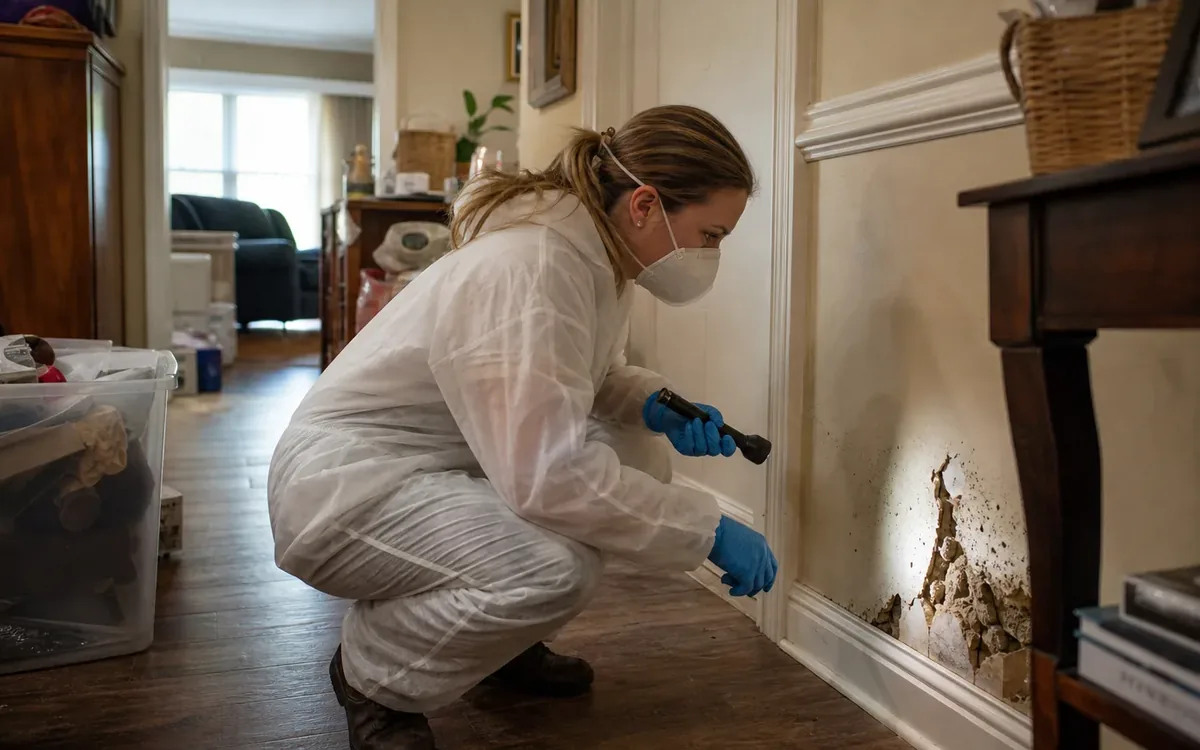
If an estate property shows signs of insects or rodents, do not begin by emptying closets, opening every box, or moving upholstered items through the home. First limit access, document what can be seen without disturbing affected areas, and ask an appropriate pest professional whether sorting can proceed safely. The household can control access and identify priority belongings, while pest identification, treatment recommendations, legal decisions, and property-condition findings belong to the relevant professionals or authorities.
Quick answer: Treat unexplained droppings, nesting material, damaged food packaging, shed insect skins, unusual odors, and live pests as reasons to slow down. Keep people and pets away from the affected space, avoid sweeping or vacuuming questionable debris, and isolate movable contents only if that can be done without spreading contamination. Pause the cleanout when activity appears widespread, the pest is unknown, or disturbing materials could create a health or structural risk.
This guide focuses on the decision point between ordinary estate sorting and a pest issue that needs professional review. For the broader process, read how estate cleanouts work. Households considering practical help with sorting and removal can also review South Carolina estate cleanout services.
What warning signs matter before sorting begins?
A single damaged cardboard box does not identify a pest problem. Look for patterns rather than relying on one clue. Avoid touching samples or opening enclosed spaces merely to confirm a suspicion.
Visible warning signs may include:
- Live or dead insects in cabinets, drawers, window areas, or stored textiles
- Rodent droppings, urine staining, nesting material, or gnaw marks
- Holes in bags, cartons, food containers, or soft furnishings
- Shed skins, egg cases, webbing, larvae, or powder-like residue
- Clusters of insects around baseboards, plumbing, or appliances
- Persistent odors that cannot be traced to ordinary household waste
- Scratching, movement, or buzzing within walls, ceilings, furniture, or stored boxes
- Trails, smears, tracks, or disturbed insulation
- Damage to wood that could indicate insect activity
- Animal remains or nesting in attics, crawlspaces, garages, or outbuildings
Location matters. A few insects near an exterior door present a different sorting question from droppings throughout kitchen cabinets or insect evidence inside mattresses and clothing boxes. Note where signs appear and whether they occur in connected rooms.
Do not diagnose the species from an internet photo alone. An appropriately qualified pest professional should identify the pest and discuss treatment. Suspected structural damage may also require evaluation by the relevant inspector, contractor, or other qualified professional.
What should the household do before anyone moves contents?
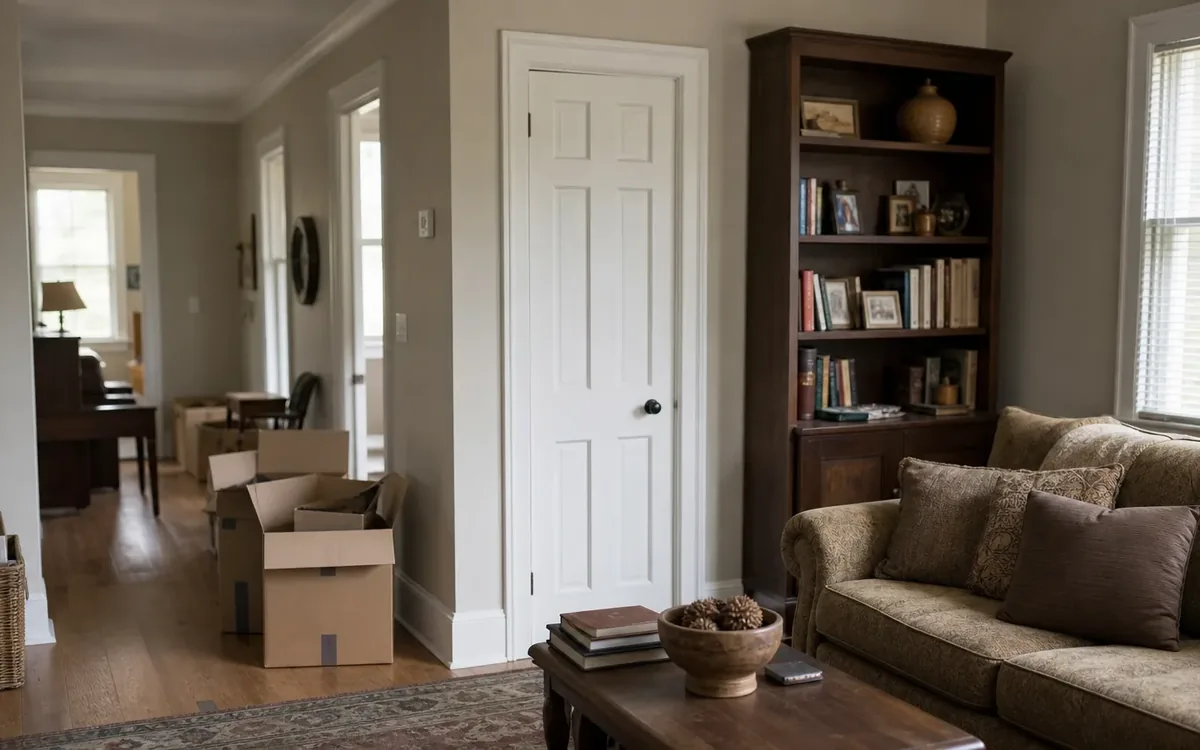
The household or estate representative can make several practical decisions without trying to diagnose or treat the property. The immediate goal is to prevent unnecessary exposure and avoid carrying pests into vehicles, storage, another residence, or an estate-sale setting.
Start with these five steps:
- Restrict access. Keep children, pets, visitors, and unnecessary workers out of affected rooms. Do not let several people explore the home independently.
- Record visible conditions. Photograph signs from a safe position and note the room, surface, and date. Documentation can help a pest professional understand the apparent extent of activity.
- Identify urgent belongings. Make a written list of essential papers, medication, keys, family records, and sentimental items. Do not retrieve them yet if doing so would require disturbing an affected area.
- Stop casual movement. Avoid transferring boxes, bedding, furniture, clothing, or appliances between rooms until the risk of spreading activity has been considered.
- Contact the right professional. Describe what was observed without claiming a definite species. Ask whether an inspection should occur before sorting resumes and what access must be preserved.
The household can decide who is authorized to enter, which belongings have priority, and whether work should pause. An executor, personal representative, trustee, owner, or other authorized person must handle estate authority and ownership questions. A cleanout team should not decide who inherits an item or whether property may legally be discarded.
When should an estate cleanout pause for a pest professional?
Pause when proceeding could spread pests, disturb hazardous material, or expose workers and family members to an unknown condition. A pause does not automatically mean the entire property is unusable. It means the affected scope needs an informed decision before ordinary sorting continues.
Professional review is especially important when:
- The pest or source cannot be identified
- Droppings or nesting material appear across multiple rooms
- Activity is present in HVAC areas, wall voids, insulation, attics, or crawlspaces
- Live pests emerge when boxes or furniture are moved
- Mattresses, upholstered furniture, clothing, books, or paper files show widespread signs
- Strong odors, animal remains, or extensive staining are present
- Wood damage could affect structural components
- Anyone entering the property develops respiratory irritation, bites, or another health concern
- Treatment products, powders, traps, or chemicals are already present but undocumented
- The affected area contains valuables that may need specialized conservation
A pest professional may discuss identification, inspection access, containment, preparation requirements, and treatment options. Those decisions belong to that provider and the authorized household representative.
Medical questions belong to a healthcare professional. Questions about hazardous materials, building safety, or regulated disposal should go to the relevant qualified provider or authority. If local rules apply to waste handling or property conditions, the responsible authority determines compliance.
How can affected contents be isolated without spreading activity?
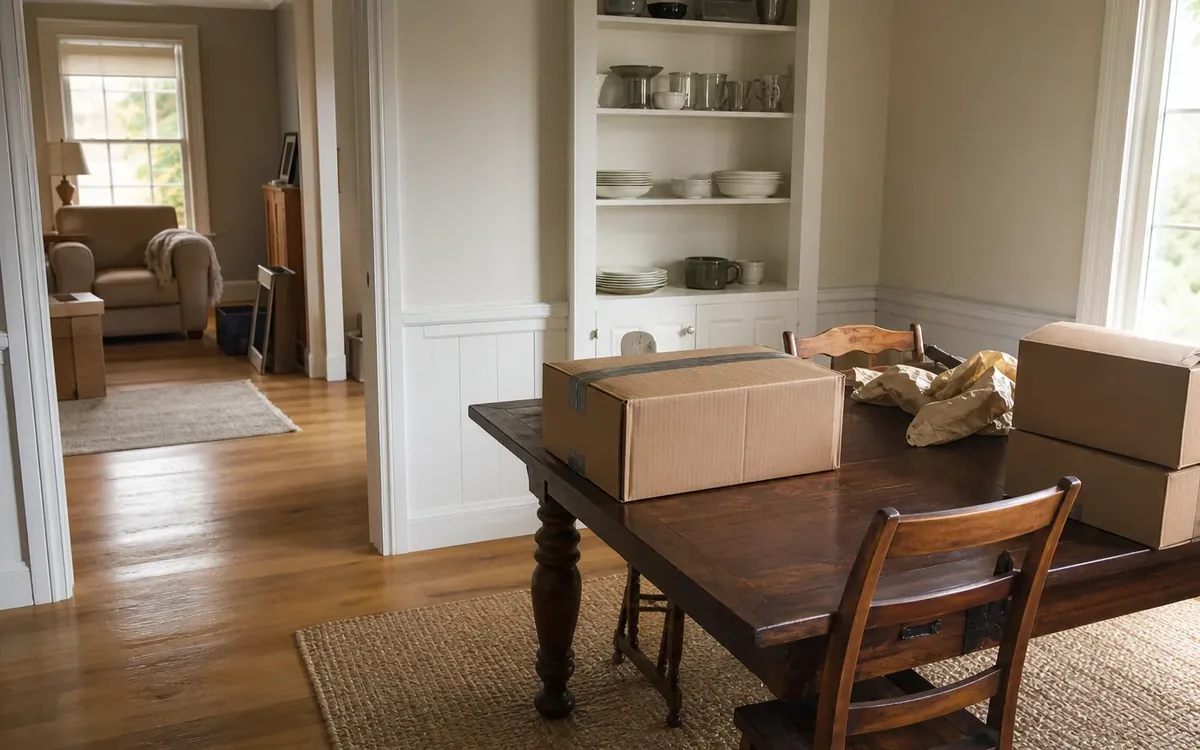
Isolation is not the same as treatment. Its purpose is to keep questionable contents from being mixed with apparently unaffected belongings while the household waits for professional direction.
Create clearly separated decision categories:
- Do not disturb: Contents in rooms with active pests, concentrated droppings, nests, unknown powder, or possible structural concerns
- Professional review: Items that may require pest, conservation, appraisal, inspection, or disposal guidance
- Priority retrieval: Essential documents or personal items that the pest professional says may be accessed under stated precautions
- Apparently unaffected: Items from areas without observed signs, still handled cautiously until the property scope is understood
- Authorized disposal consideration: Low-value belongings the estate representative may choose to discard after confirming authority and suitable disposal methods
Do not drag upholstered furniture through clean rooms. Do not stack questionable boxes beside clean boxes. Avoid placing potentially affected belongings directly into a personal vehicle or ordinary storage unit.
If a pest professional approves movement, ask what kind of container is suitable and whether items should be bagged, sealed, labeled, cleaned, treated, or left in place. Improvised sealing can trap moisture or damage paper, textiles, artwork, and wood, so valuable objects may need advice from a conservator or other specialist.
Storage is a separate household contract and decision. The storage provider should be told about relevant conditions, and its acceptance rules must be followed. A cleanout provider cannot guarantee that a storage facility will accept affected contents.
How should sorting change after pest activity is found?
Normal estate sorting often centers on keeping, selling, donating, recycling, and discarding. Pest evidence adds another question before those decisions: can the item be handled and transferred without creating a new problem?
Use a condition-first sequence:
- Confirm that the authorized decision-maker has approved access and sorting.
- Follow the pest professional’s instructions for rooms, pathways, and movable contents.
- Separate sentimental or legally important items from ordinary household goods when safe access is allowed.
- Route potentially valuable items to the appropriate appraiser only after handling concerns are addressed.
- Confirm acceptance before taking items to an auctioneer, estate-sale provider, charity, recycler, disposal site, or storage facility.
- Keep affected and apparently unaffected materials separated throughout movement and transport.
An appraiser determines value within the scope of the appraisal. An estate-sale or auction provider decides what it can accept and under what conditions. Donation organizations, recyclers, waste facilities, and storage companies set their own acceptance policies.
A practical cleanout or move team may discuss room sequencing, sorting zones, pathways, packing logistics, removal categories, and coordination with other providers. It should not identify pests, prescribe treatment, certify that contents are pest-free, or override restrictions given by a pest professional.
Planning the work after inspection or treatment
Once the appropriate provider has evaluated the property, request clear instructions before rescheduling the physical work. Treatment alone should not be interpreted as permission to move everything immediately. Preparation, restricted areas, follow-up inspection, or special handling may still be required.
Useful questions for the pest provider include:
- Which rooms or contents should remain untouched?
- What preparation is required before treatment?
- May documents, furniture, clothing, or boxes be moved?
- Are there instructions for bagging, labeling, cleaning, or transport?
- Does any treated area have access restrictions?
- Is follow-up evaluation needed before ordinary sorting resumes?
- What visible signs should trigger another stop?
Share the relevant written instructions with every provider entering the property. Avoid relying on a verbal summary passed through several family members.
The household can then choose a sequence based on estate priorities. For example, it may authorize retrieval of records first, appraisal of selected objects next, and removal of approved discard categories later. That sequence should remain subordinate to safety instructions and legal authority over estate contents.
Contractor work is separate from cleanout work. Repairs to walls, flooring, wiring, plumbing, insulation, roofing, or structural components should be evaluated and completed by appropriate contractors. A home inspector or other qualified professional addresses property-condition findings within that professional’s scope. Real-estate agents advise on listing and market preparation, but they do not replace pest, legal, appraisal, or inspection professionals.
Preparing for sale without hiding the issue
Pest activity can affect cleaning, repairs, staging, inspection, and transaction planning. The estate representative should keep records of observations, professional evaluations, treatment documents, and contractor work rather than relying on memory.
Do not conceal damage with paint, stored furniture, or rushed cosmetic work. Decisions about required disclosures, contracts, probate authority, and liability belong to the responsible attorney, real-estate professional, insurer, or government authority as applicable. A cleanout team cannot determine what must legally be disclosed.
Home-sale preparation may include organizing remaining contents, clearing approved debris, and coordinating access after the property is released for that work. It does not establish that a house is pest-free, structurally sound, code-compliant, or ready to list. Those conclusions remain with the professionals or authorities responsible for them.
If a property has code concerns, ask the applicable authority what documentation or corrective work is required. Code compliance support may help organize access and approved clearing tasks, but only the authority can interpret requirements, inspect work, or close a case.
A focused handoff plan for families and providers
Confusion often occurs when everyone knows there is a pest concern but no one knows who can authorize the next step. A brief written handoff keeps decisions within the right scope.
Include:
- The name and contact information of the authorized estate representative
- Rooms that are open, restricted, or awaiting review
- Photographs and notes showing where warning signs were observed
- Written instructions from the pest professional
- A list of priority documents and sentimental belongings
- Items reserved for appraisal or specialist conservation
- Approved removal, donation, recycling, or disposal categories
- Provider access arrangements and property keys
- Known treatment products or restricted areas
- Questions awaiting legal, real-estate, inspection, contractor, or compliance guidance
Labeling should communicate status rather than claim certainty. Use wording such as “hold for pest review,” “authorized for sorting,” or “appraisal pending.” Avoid labels such as “safe,” “clean,” or “pest-free” unless the responsible professional has provided that conclusion and explained its scope.
Short FAQ
Can family members remove important papers before the inspection?
Only if they can do so without entering or disturbing a questionable area and no professional restriction applies. If papers are in a room with droppings, live pests, nesting, or unknown residue, ask the pest professional how retrieval should occur. Legal documents should then be routed to the authorized representative or attorney as appropriate.
Should affected furniture go directly to storage?
Not without approval from the storage provider and guidance on handling the suspected pest issue. Moving furniture can spread activity to a truck, facility, or another home. Storage acceptance, treatment, and packing are separate decisions.
Can belongings still be sold or donated?
Possibly, but the receiving organization decides what it will accept. Disclose relevant condition concerns and obtain pest guidance before transport. An appraiser determines value, while an auctioneer, estate-sale company, charity, or recycler applies its own acceptance standards.
What can an estate cleanout team discuss?
A practical team may discuss sequencing, sorting zones, access, packing logistics, authorized removal categories, and coordination after restrictions are known. Pest identification and treatment belong to the pest professional. Legal authority, appraisal, inspection, real-estate, disposal acceptance, and code decisions remain with the responsible provider or authority.
Who should be called first?
If there is active or widespread pest evidence, begin with an appropriate pest professional and the person legally authorized to act for the estate. For urgent health, fire, utility, structural, or public-safety concerns, contact the relevant emergency service, utility, qualified professional, or authority instead of beginning a cleanout.
A careful estate cleanout does not treat pest activity as just another pile to remove. It separates observation from diagnosis, isolation from treatment, and practical sorting from decisions that require professional or legal authority. Clutter Cleaner of South Carolina, based in Mount Pleasant and serving households statewide, can be contacted at (843) 972-7020 to discuss estate cleanout logistics after the authorized representative has identified the applicable access and handling restrictions.



