
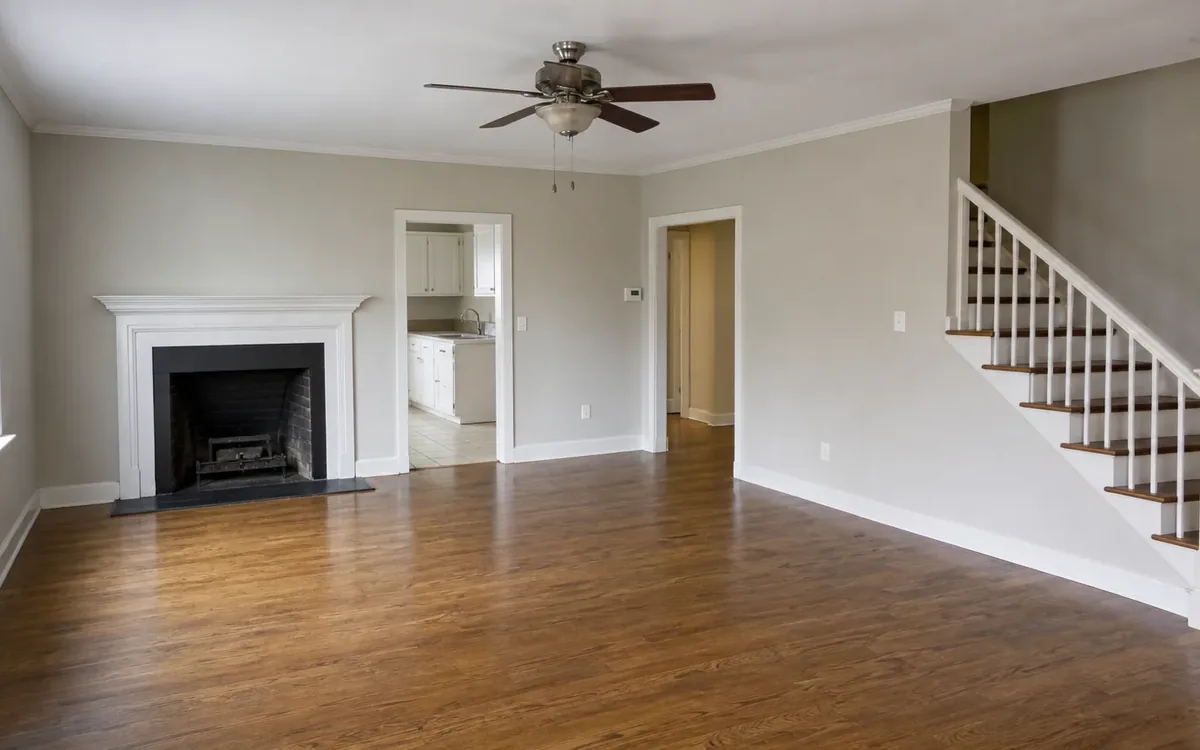
After tenants move out, prepare a former rental property for sale by documenting its condition, confirming who controls anything left behind, separating records and personal property, and clearing only the items you are authorized to remove. Then evaluate cleaning, repairs, inspections, and listing presentation with the appropriate professionals. The key is not to treat abandoned-looking belongings as ordinary trash before a property manager or attorney confirms the correct next step.
Quick answer: Photograph every room and leftover item before moving anything. Preserve lease, notice, and communication records. Ask the property manager or a South Carolina attorney whether the owner may remove, store, return, or dispose of the belongings. Once authority is clear, organize the cleanout around what will stay with the property, what must be held separately, and what may leave.
This sequence is especially useful for South Carolina owners who inherit furniture, boxes, household goods, or debris after a tenancy. It creates a clear handoff from tenancy administration to sale preparation without asking a cleanout crew, real-estate agent, or contractor to make decisions outside that professional’s role.
Why shouldn’t you clear tenant belongings immediately?
A tenant’s departure does not automatically answer who owns everything remaining in the property or what the owner may do with it. A chair beside a trash bag may look discarded, while a box of documents in a closet may have been forgotten. Appearance alone is not a reliable basis for disposal.
Before clearing anything, gather the records connected with the tenancy. These may include:
- The signed lease and amendments
- Move-in and move-out inspection records
- Tenant notices and surrender documents
- Keys, access records, and property-manager notes
- Emails, texts, and letters concerning pickup or abandoned items
- Court, eviction, or law-enforcement documents, if applicable
- Photographs supplied by the manager or tenant
The household can decide its selling goals, budget, and preferred condition for listing. A property manager can explain the management file and communications within that person’s role. An attorney can advise on ownership, notice, access, storage, and disposal obligations. A cleanout or move team can discuss physical sorting and removal after the authorized decision-maker defines what may be handled.
If possession, eviction, a tenant’s death, bankruptcy, disputed ownership, or an active insurance matter is involved, pause the cleanout. Those circumstances may require instructions from an attorney, court, insurer, personal representative, or another responsible authority.

How should you document what the tenant left behind?
Create a record before anyone sorts, bags, repairs, or cleans. The goal is to preserve the original condition well enough that the owner, manager, attorney, insurer, or other responsible party can understand what was present.
Use this five-part documentation process:
- Record entry conditions. Photograph exterior doors, locks, windows, meters, and visible damage before contractors begin work.
- Capture each room broadly. Take images from multiple corners, including floors, walls, ceilings, closets, cabinets, and attached fixtures.
- Photograph leftover property closely. Capture boxes, labels, electronics, furniture, documents, medication, photographs, and anything that may be personal or valuable.
- Make a written inventory. Note where each item or group was found without guessing at ownership, value, or legal status.
- Preserve the files. Keep original photos, videos, messages, and notes together with dates and the name of the person who created them.
Avoid staging photographs by consolidating items first. Moving everything into one room may make the property look tidier, but it can erase useful context about where belongings were found.
Do not publish images containing personal papers, family photographs, financial details, prescriptions, or identifying information in a listing. Ask the listing agent which property images are appropriate for marketing, and obtain legal guidance if privacy or record-handling concerns arise.
Who decides whether belongings can be removed?
The person or authority with legal control of the property and its contents must make that decision. Depending on the circumstances, this might involve the owner, property manager, attorney, court, personal representative, insurer, or law-enforcement agency. A cleanout provider should not determine whether tenant property has been abandoned.
Ask the responsible property manager or attorney focused questions:
- Has possession of the premises been legally returned?
- Do any remaining belongings require notice, pickup access, or storage?
- Which items, if any, are documented as surrendered or discarded?
- Are there records that must be preserved?
- Is any property subject to a dispute, claim, court order, or insurance review?
- Who may authorize removal in writing?
- Are there restrictions on changing locks or allowing vendors inside?
Written direction helps prevent misunderstandings. Label protected property clearly and keep it physically separate from approved cleanout material. If storage is required, the owner should select a storage provider and obtain legal guidance on access, inventory, retention, and release. Storage is a separate household or provider choice, not an automatic part of sale preparation.
Once authorization is settled, owners can review home sale preparation services to understand how physical clearing and organization may fit into the broader transition. For a related explanation of controlled sorting, see the guide to how estate cleanouts work. Although a former rental is not necessarily an estate, its room-by-room separation principles can help prevent accidental removal.

Build a written disposition plan before the cleanout
Convert the legal or management instructions into a practical plan that workers can follow. Avoid vague directions such as “clear the house” when some fixtures, records, or protected belongings must remain.
A useful plan separates contents into these categories:
- Do not touch: Property awaiting legal, tenant, insurer, or law-enforcement direction
- Stay with the building: Attached fixtures, manuals, remotes, keys, and owner-owned equipment intended for the buyer
- Owner review: Documents, photographs, valuables, tools, supplies, or furnishings needing a decision
- Approved removal: Items specifically cleared for donation, recycling, disposal, or another destination
- Hazard review: Unknown chemicals, fuel, ammunition, needles, medications, or potentially contaminated materials
Mark rooms or zones rather than relying only on verbal instructions. A simple written scope should identify the decision-maker, approved areas, exclusions, access arrangements, and destination rules.
A practical cleanout or move team may discuss labor, room sequence, access, item separation, loading logistics, and destinations available for approved materials. The team should not determine legal ownership, appraise valuables, interpret a lease, conduct a property inspection, or certify regulatory compliance.
If uncertain items appear during work, place them in a hold area and return the decision to the designated owner, manager, or professional. Keeping an exception list is safer than improvising.
Clear for the sale plan, not just for emptiness
An empty property is not automatically ready to list. Clearing should support the owner’s intended sale strategy. Some buyers may need to see open rooms and storage areas, while certain useful appliances, manuals, remotes, landscaping tools, or maintenance supplies may appropriately remain if the owner and listing agent agree.
Before work begins, ask the real-estate agent which owner-controlled items should stay for marketing or transfer. The household can decide whether to sell vacant, use separate staging, retain selected furnishings, or remove everything it owns. The agent can advise on market positioning and listing presentation, but legal questions about tenant property still belong with an attorney or responsible authority.
During the cleanout, protect sale-related components such as:
- Keys and labeled remotes
- Appliance and system manuals
- Alarm, gate, or access information
- Warranty and maintenance records
- Replacement flooring, tile, or paint kept for matching
- Owner-owned equipment included in the proposed sale
Do not discard unidentified keys, small hardware, remotes, or manuals merely because they have little resale value. They may matter to a buyer or contractor.
Separate cleaning, repairs, inspections, and appraisals
Once authorized contents are removed, evaluate the building itself. Keep each professional function distinct so advice does not become blurred.
Cleaning: The household may choose a cleaning provider and define priorities such as cabinets, appliances, floors, windows, and odors. A cleanout addresses contents and access; detailed cleaning should be confirmed separately with the selected provider.
Repairs: A qualified contractor can evaluate and perform agreed work. The owner and real-estate agent may discuss which repairs support the listing strategy, but the contractor determines methods and scope within that professional role. Permits and code requirements belong with the applicable authority and qualified professionals.
Inspection: A licensed or otherwise appropriately qualified inspector evaluates property conditions within the inspection agreement. A cleanout worker should not diagnose structure, electrical systems, plumbing, moisture, pests, or environmental hazards.
Appraisal: A qualified appraiser develops an opinion of real-property value for the relevant purpose. If leftover personal property may have significant value, the owner should consult an appropriate personal-property appraiser before sale or disposal. A removal crew’s casual opinion is not an appraisal.
Compliance: Local or state authorities and qualified professionals determine applicable legal, safety, permit, disposal, or code requirements. Code compliance support may help organize access and removal tasks, but it does not replace an official determination.
What conditions deserve a pause and professional review?
Not every former rental is ready for routine clearing. Stop and obtain appropriate guidance when workers encounter conditions that could affect safety, ownership, evidence, or regulated disposal.
Examples include:
- Identity documents, tax records, legal files, or financial papers
- Firearms, ammunition, controlled substances, or medications
- Needles, biological material, or suspected contamination
- Fuel, pesticides, solvents, compressed cylinders, or unknown liquids
- Suspected asbestos-containing material, lead hazards, or significant mold
- Signs of forced entry, criminal activity, or an active investigation
- Locked containers, safes, or sealed rooms
- High-value art, jewelry, collections, or equipment
- Animals or evidence that animals remain inside
- Tenant property subject to a claim or scheduled retrieval
Do not ask general laborers to identify hazardous materials or decide whether an item has evidentiary value. Contact the appropriate emergency service, law-enforcement agency, environmental professional, hazardous-waste resource, attorney, insurer, or local authority based on the issue.
Also protect workers from avoidable building hazards. Restrict access to unstable stairs, exposed wiring, standing water, severe pest activity, damaged ceilings, or unsafe flooring until the proper professional evaluates the condition.
Create a clean handoff to the listing team
After clearing, walk through the property with the written disposition plan. Confirm that protected belongings remain in their designated area and approved removal zones are empty. Check closets, cabinets, attics, crawl-space access points, sheds, garages, and exterior storage without entering unsafe spaces.
Prepare a concise handoff packet containing:
- The final room and contents record
- Written removal authorization retained by the owner
- A list of protected or stored property
- Keys, remotes, manuals, and owner records
- Contractor invoices and repair documentation, if applicable
- Known unresolved conditions for the appropriate professional
- Questions for the agent, inspector, attorney, or authority
The listing agent can advise when the property is ready for photographs and marketing based on the agreed strategy. An inspector evaluates physical conditions. An appraiser addresses valuation. An attorney handles legal questions. The owner remains responsible for choosing those professionals and approving the sale plan.
Clutter Cleaner of South Carolina is based in Mount Pleasant and serves homeowners across South Carolina. For a former rental, the practical discussion may cover authorized sorting, move coordination, home sale preparation, and support for an organized property transition. Call (843) 972-7020 to discuss the physical scope after legal control of leftover belongings has been confirmed.
Short FAQ
Can I throw away items that appear to be trash?
Do not rely on appearance alone. Document the items and ask the property manager or a South Carolina attorney whether they may be removed or discarded under the specific circumstances.
Should a cleanout happen before the inspection?
The owner and listing agent can coordinate the order based on access and sale strategy. Clearing authorized contents may improve visibility, but an inspector should decide what is needed to perform the inspection and report property conditions.
Who decides whether leftover furniture has value?
The owner may choose an appropriate appraiser, auction professional, or resale resource. A cleanout team can separate items according to instructions but should not present an informal opinion as a qualified appraisal.
What if tenant documents are mixed with disposal items?
Pause that area, isolate the documents, and ask the responsible manager or attorney how they should be secured, returned, retained, or handled. Do not place sensitive records in an unsecured trash or donation load.
Can leftover items be moved to storage?
Only after the authorized decision-maker confirms that storage is appropriate. The household should select the facility or storage provider and clarify inventory, access, costs, release authority, and any legally required procedures.
What should remain for the buyer?
The owner and listing agent should identify fixtures, keys, remotes, manuals, maintenance records, and any personal property intended to transfer. Legal questions about what is included in the sale belong with the real-estate and legal professionals responsible for the transaction.



