
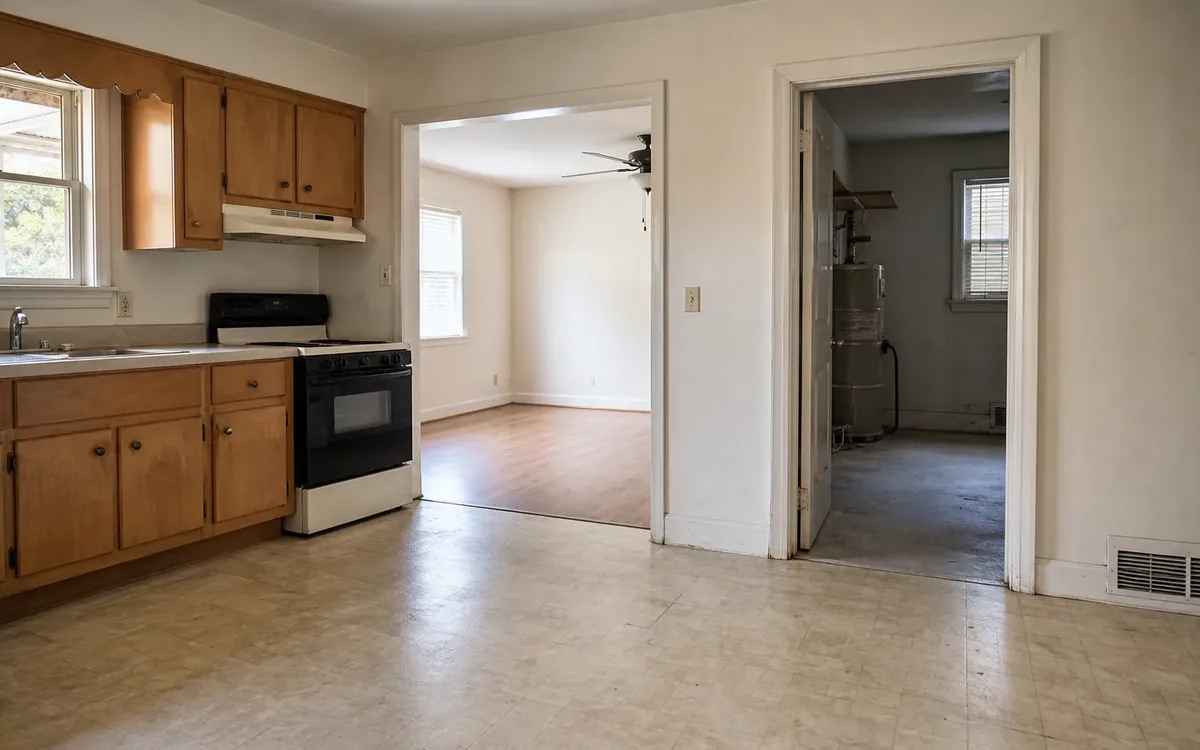
After an estate cleanout, shut off only the utilities the property no longer needs, and have the authorized account holder or estate representative arrange each cancellation or transfer directly with the provider. Before choosing a shutoff date, confirm that nobody still needs access and that the vacant home can remain protected without that service. An empty house is not automatically ready to lose electricity, water, or gas.
Quick answer:
- Confirm who has authority to manage the deceased person’s utility accounts.
- Separate services that can end from services needed to protect the property.
- Check remaining access needs with the household and relevant professionals.
- Request cancellation or transfer through each provider’s official process.
- Keep confirmation numbers, final bills, and any refund documentation with the estate records.
For South Carolina households, timely coordination can prevent unnecessary ongoing charges. The goal is not simply to stop every bill. It is to close accounts without creating avoidable property damage, access problems, or gaps in responsibility.
Why utility shutoff is a separate step after the cleanout
Removing furniture and personal belongings does not close utility accounts. Even if the estate cleanout is complete, the provider may continue billing until an authorized person requests a change and the provider processes it.
The cleanout completion date is therefore a decision point, not an automatic shutoff instruction. The household should compare what remains at the property with what each service supports.
For example, electricity may power a sump pump, security equipment, or humidity control. Water may still be needed for cleaning or an inspection. Internet service may support a connected alarm or camera system. These dependencies matter more than whether the rooms are empty.
If you are still confirming the scope of the physical work, review Clutter Cleaner of South Carolina’s estate cleanout services. The utility account process remains separate: a practical cleanout team may discuss completion and access needs, but provider authorization and account closure should not be assumed to be included.

Who can authorize utility cancellation for an estate?
Start by identifying the person authorized to act on the account or for the estate. Being a relative, possessing the house keys, or arranging the cleanout does not necessarily establish authority to cancel service, receive a refund, or change billing information.
Ask each provider what it requires when an account holder has died. Requirements may differ across electric, water, gas, internet, and other accounts. Do not assume that approval from one company applies to another.
Prepare an account folder containing whatever records are available:
- The account holder’s name and service address.
- Account numbers and recent bills.
- The provider’s contact information.
- The authorized representative’s contact and mailing details.
- Documents the provider specifically requests to verify authority.
Avoid sending sensitive estate documents through an unverified email address or unsolicited link. Use the provider’s official customer service channel and ask how documents should be submitted securely.
Questions about who has legal authority, how estate funds may be used, or who receives account credits belong with the estate’s attorney, personal representative, or other responsible professional. A cleanout or move team should not make those determinations.
For context on separating household coordination from physical clearing, the guide How Do Estate Cleanouts Work? explains the broader cleanout process. Utility closure is a distinct administrative handoff after that work.
Which utilities should stay on after the house is empty?
Review each account by function rather than treating all utilities alike. The right choice depends on the building, remaining obligations, and the property’s next use.
Electricity: Identify equipment that relies on power. Heating and cooling, pumps, alarms, lighting, and powered access systems may still matter in a vacant property. Ask the appropriate professional what must remain operational before requesting disconnection.
Water and sewer: Determine whether anyone still needs running water and whether the plumbing requires protective measures before service ends. Account cancellation is not the same as draining or securing plumbing. A qualified plumbing professional should advise on that work.
Gas: Confirm whether gas supplies heat, hot water, or another system that still needs to operate. Use the utility’s process for stopping service. Do not attempt to disconnect gas equipment yourself.
Internet, phone, and television: These may be candidates for cancellation once personal use ends, but check connected security devices first. Ask whether rented equipment must be returned and whether account cancellation affects another bundled service.
Other recurring property accounts: Review waste collection, security monitoring, and any separately billed services. Some charges may be handled through another billing arrangement rather than a standalone account. Confirm the arrangement instead of assuming an empty house ends the obligation.

How do you choose the right shutoff date?
Choose dates around the last legitimate need for each service, not simply the date the last load leaves. Establish a clear point when the cleanout is complete, then verify what remains.
A practical cleanout or move team may discuss:
- Whether belongings or equipment remain inside.
- Whether another removal visit is planned.
- Whether lights, water, or powered doors are needed for remaining access.
- Who will receive keys or approve the final walkthrough.
That discussion supports scheduling, but it does not replace property-specific advice. Contractors decide what utilities their remaining work requires. Inspectors determine what must operate for their inspection. A real-estate professional can explain transaction-related access needs, while the responsible parties and their advisers address contractual obligations.
If an appraisal remains outstanding, ask the appraiser about necessary access and operating conditions. Do not assume that a cleared property eliminates those requirements.
Create a short written handoff showing each service, its proposed end or transfer date, and the person approving that choice. Where a requirement remains unresolved, keep the decision open until the responsible person answers it.
Protect the vacant property before ending service
In South Carolina, consider the home’s actual heating, cooling, moisture-control, and plumbing needs before disconnecting utilities. Conditions vary by property and season, so a blanket instruction to turn everything off is not useful.
Check with the property insurer about vacancy conditions and any expectations concerning maintained utilities, monitoring, or protective measures. Insurance decisions belong with the insurer and policyholder, not the cleanout team.
A focused property review should address:
- Whether loss of power stops a pump or moisture-control system.
- Whether plumbing needs professional preparation before water service ends.
- Whether alarms or cameras depend on electricity or internet.
- Whether access arrangements work without powered equipment.
- Whether any appliance or fixture needs attention before disconnection.
An HVAC contractor, plumber, electrician, or security provider may need to evaluate the relevant system. Hiring those providers is a separate household or estate decision, not a guaranteed part of an estate cleanout.
Likewise, questions about required utility service, occupancy conditions, or code compliance belong with the appropriate authority or qualified professional. Practical cleanout coordination does not establish whether the home meets a legal or regulatory requirement.
Request cancellation or transfer with a clear record
Once authority, property protection, and remaining access are settled, contact each provider individually. Ask whether the account should be closed, transferred, or retained temporarily under an authorized arrangement.
A useful call outline is:
- Explain that the account holder has died and identify your role.
- Ask what authorization documents are required.
- State the service address and account number.
- Request the appropriate cancellation or transfer date.
- Confirm how the final bill and any credit will be delivered.
- Ask about rented equipment, deposits, and confirmation records.
Use neutral language if a decision is pending. For example: “The cleanout is complete, but we are confirming whether power must remain active. What is the process once the authorized representative approves the date?”
Ask whether the requested date is confirmed or still subject to provider processing. Record the distinction. Do not treat a submitted request as proof that service has ended.
If service will pass to another responsible party, that person should confirm their own arrangement with the provider. Avoid relying on an informal promise that someone will “take over the bill.”
Close the billing loop without losing estate records
A cancellation confirmation and a final bill are different records. Keep both. Review the final statement for the service address, billing period, closing status, and any remaining balance or credit.
If automatic payments were used, coordinate their removal with the authorized person managing the payment account. Stopping autopay alone does not cancel utility service or resolve a bill.
For each account, retain:
- The request date and requested effective date.
- The representative’s name or provider reference number, if supplied.
- Written confirmation of closure or transfer.
- The final statement and payment record.
- Equipment-return receipts, when applicable.
- Documentation of any refund or unresolved adjustment.
Route final bills to a mailing or electronic address the authorized representative can access. Do not leave important correspondence dependent on an empty property’s mailbox.
If a credit, disputed charge, or debt raises estate-administration questions, refer it to the responsible representative or adviser. The household can gather records, but it should not guess how estate money must be distributed.
Keep one unresolved-items log
A single log helps prevent duplicate calls and conflicting instructions. It is especially useful when relatives share responsibilities but only one person has authority to approve account changes.
Use simple fields: provider, account reference, needed decision, responsible person, status, and confirmation location. Keep sensitive documents separate from any broadly shared version.
Examples of unresolved items include “plumber to confirm preparation before water shutoff” or “security provider to confirm internet dependency.” These entries are more actionable than a general note to cancel utilities.
If belongings move into storage, the storage agreement is a separate household choice. If leftover materials require disposal, arrange the appropriate disposal route separately. Neither task proves that the home is ready for utility disconnection.
Clutter Cleaner of South Carolina is based in Mount Pleasant and serves households throughout South Carolina, with Charleston as its primary market. When discussing an estate cleanout, ask what completion and access information the team can provide for your utility handoff. Keep account authorization and professional property decisions with the appropriate parties.
Short FAQ
Does an estate cleanout automatically cancel utilities?
No. Physical removal and utility account closure are separate tasks. An authorized person must follow each provider’s process.
Can I cancel electricity as soon as the house is empty?
Only after confirming that remaining access, property systems, insurance conditions, and other obligations do not require it. Consult the relevant professional where the answer is uncertain.
Should I shut off water at the house myself?
Account cancellation and operating a property’s water controls are different actions. Ask the utility and a qualified plumbing professional what is appropriate. Do not assume a valve change adequately protects the plumbing.
What if another family member already contacted the provider?
Compare the confirmation records before submitting another instruction. Verify the approved action and effective date, then place the result in the shared log.
What is the final sign that the task is complete?
Each account has a confirmed status, final billing has been reviewed, required equipment returns are documented, and any service still active has a named responsible person.



