
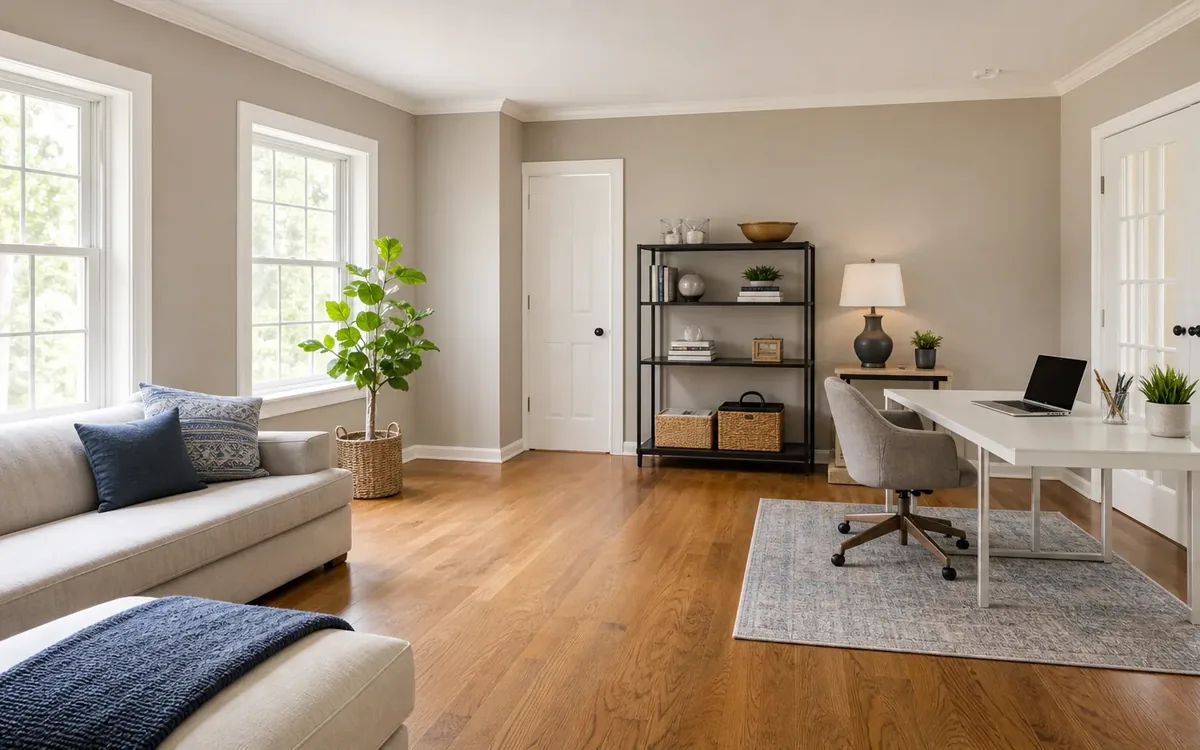
Give a multipurpose room one clear primary role before listing by choosing the use that best fits its layout, the rest of the house, and your real-estate agent’s marketing plan. Then remove or relocate the items that compete with that role. A dining room that also holds exercise equipment does not necessarily need new furniture or renovation. It needs a presentation buyers can understand without an explanation.
South Carolina households can make these choices around how they still live in the property. The goal is not to erase every secondary use. It is to make the main use obvious in listing photographs and during showings, while keeping daily routines manageable.
Quick answer: Choose a primary room role with your agent, keep the furniture that demonstrates it, and give competing items a specific destination. Preserve clear walking routes and access to doors, windows, and building systems. Leave room labels, property claims, alterations, and compliance determinations to the appropriate professionals.
Why does a multipurpose room need a clear role?
Buyers should be able to recognize what a room offers without mentally sorting through several unrelated activities. When a dining table, treadmill, sewing supplies, and spare furniture share the same space, each use competes for attention. The room may appear less usable even when its dimensions are adequate.
A clear role gives the furnishings a common purpose. Chairs relate to a table. A reading chair relates to a lamp and bookcase. Exercise equipment has an intentional location rather than looking like overflow from another room.
This is a presentation decision, not a declaration that the house can support only one lifestyle. Your agent may still describe the space as flexible when that description is appropriate. The physical arrangement simply gives buyers a starting point.
Look for signs that the current setup needs a clearer hierarchy:
- Furniture faces several unrelated directions.
- One activity blocks access needed for another.
- Stored belongings occupy the room’s most visible surfaces.
- The room’s purpose changes depending on where someone stands.
- Listing photos would need an explanation to make sense.
The solution is usually to reduce competing signals, not add more decorative objects.
Which role should the room have before listing?
Start with the property rather than the belongings already occupying the room. Consider its location, shape, access, and relationship to nearby spaces. A room beside the kitchen may read naturally as dining space. A quieter area adjoining a living room may work as a reading or conversation room.
Discuss the proposed role with your agent before buying furniture or moving heavy pieces. The agent is responsible for advising on marketing presentation and listing language. The household decides which belongings to keep, move, sell, donate, or otherwise release.
Use these questions to compare possible roles:
- Does the house already have a convincing place for this activity?
- Can the room support the proposed furniture without crowding access?
- Does the use make sense beside the adjoining rooms?
- Can the household maintain the presentation while still living there?
- Will the room’s main purpose be visible in photographs?
Avoid selecting a role simply because it accommodates the greatest number of possessions. That approach can preserve the confusion you are trying to solve.
For help organizing the physical preparation, explore Clutter Cleaner of South Carolina’s home sale preparation services. The company serves households across South Carolina; the room’s marketing role should still be coordinated with your agent.
Resolve the conflict between uses, not just the clutter
A multipurpose room can be tidy and still feel unresolved. Neatly aligned exercise equipment beside a fully set dining table continues to communicate two competing purposes. Sorting improves order, but choosing a hierarchy improves presentation.
Consider a dining-and-exercise room. If dining becomes the primary role, retain the table, an appropriate number of chairs, and any supporting furniture that fits comfortably. Relocate the treadmill if a suitable destination exists. Put smaller exercise accessories in a household-approved location where they will not spill back into the room.
If exercise becomes the primary role, the dining set needs a different destination. Leaving the table folded against a wall may still make the room look like storage. Discuss whether the house’s other eating area adequately supports the agent’s presentation plan.
Other conflicts call for similar decisions:
- Guest space and sewing: Decide whether the bed or the work surface should define the room.
- Reading area and overflow storage: Keep the seating arrangement visible and move unrelated boxes elsewhere.
- Dining and hobby display: Retain a restrained display only if it supports, rather than overtakes, the room.
When inherited furniture drives the conflict, ownership and family decisions may need to come first. The guide What Is the Best Way to Clean Out an Estate? offers related sorting context. Authorized estate representatives and their legal advisers should resolve questions about who may release property.
Give displaced belongings real destinations
Removing a competing use creates a second problem: where its belongings will go. Moving everything into another visible room merely transfers the confusion. Filling a hallway or blocking a utility area can also create access concerns.
Assign destinations before moving large pieces. The household can choose among keeping items elsewhere in the home, taking them to the next residence, arranging outside storage, or releasing them through an appropriate channel.
A practical destination list might include:
- Keep in the home: A specified room or cabinet with enough available space.
- Move to the next home: A labeled group tied to the household’s moving plan.
- Sell or seek valuation: Items set aside for a separate sale or appraisal decision.
- Donate: Items accepted by a chosen organization under its current requirements.
- Dispose of: Items handled through an appropriate provider or authorized disposal route.
Storage is a separate household and provider choice, not an automatic part of room preparation. Confirm space, access, and handling arrangements before committing to it.
Do not treat value as obvious because an item is old, large, or inherited. A qualified appraiser can address valuation when needed. A cleanout or move team may discuss sorting and handling logistics, but that discussion does not establish ownership, market value, or disposal permissions.
Arrange the room so its purpose reads naturally
Once the competing belongings have destinations, arrange what remains around the chosen activity. Begin with the main furniture, then add only supporting pieces that serve a clear function.
For dining, the table should be easy to approach and the chairs usable without an obstacle course. A sideboard may help establish the role, but it should not crowd a doorway. For a reading room, seating, lighting, and a modest book arrangement may be enough.
Check the arrangement from the doorway and from likely photograph positions. Ask what catches the eye first. If it is a storage bin, oversized cabinet, or unrelated machine, the room’s intended role may still be obscured.
Focus on these practical details:
- Keep routes between doorways understandable and unobstructed.
- Allow access to windows and their operating hardware.
- Avoid covering vents, controls, or necessary service access.
- Remove cords and small objects from walking routes.
- Keep surfaces usable rather than filling them with decoration.
Do not move heavy or awkward equipment simply to test an arrangement without a safe handling plan. A practical team may discuss dimensions, access, disassembly needs, and protection of surrounding surfaces. Confirm any proposed work and provider responsibilities before proceeding.
How can you keep a secondary use without confusing buyers?
Some households cannot stop using the room for a second activity while the property is listed. The answer is to make that secondary use contained and reversible, rather than giving both activities equal visual weight.
A dining room used for sewing might retain a dedicated household storage cabinet for supplies. The sewing machine can have an assigned place when it is not in use. A reading room used for stretching might accommodate a mat that rolls away, while a large exercise machine may require a more substantial relocation decision.
Create a reset routine based on actual household needs:
- Return portable supplies to one assigned container or cabinet.
- Restore the main furniture arrangement after the secondary activity.
- Keep frequently used items accessible without leaving them on display.
- Agree on who resets shared surfaces before photographs or showings.
Avoid a presentation that depends on hiding heavy equipment whenever someone visits. If resetting the room is impractical, revisit the primary role or discuss a more honest flexible-room presentation with your agent.
The best arrangement is one the household can maintain without repeated disruptive moves.
Separate presentation choices from professional decisions
Choosing dining over exercise does not change a room’s legal classification, square footage, structural condition, or permitted use. Furniture arrangement cannot establish that a space qualifies as a bedroom or that an alteration meets applicable requirements.
Keep responsibilities clear:
- Household: Chooses belongings, priorities, destinations, and acceptable disruption.
- Cleanout or move team: May discuss sorting, access, handling, sequencing, and the agreed scope of physical work.
- Real-estate agent: Advises on presentation, listing descriptions, and marketing choices.
- Appraiser: Addresses valuation within the appraisal assignment.
- Inspector or relevant specialist: Evaluates conditions within their professional scope.
- Contractor and responsible authority: Address proposed alterations, permits, and applicable compliance requirements.
- Legal adviser or authorized representative: Resolves ownership, estate authority, and other legal questions.
If the preferred arrangement depends on removing a wall, altering wiring, changing a doorway, or modifying built-in features, pause the furniture plan until the appropriate professional has assessed that work. Contractor services are separate arrangements, not assumed parts of a cleanout.
Clutter Cleaner of South Carolina has its physical business location in Mount Pleasant, SC, with Charleston as its primary market and a statewide service territory. Any support should be discussed within an agreed scope, not treated as approval of the room’s legal or technical status.
Confirm the room’s role before listing photos
Review the finished room with your agent before photographs. Confirm that the arrangement supports the property’s overall story and does not duplicate another room unnecessarily.
Walk through as a buyer would. Notice whether you can identify the main use, reach the important features, and understand how the room connects to the house. Remove remaining sorting piles and make sure displaced belongings have not crowded adjoining spaces.
If the role still feels unclear, subtract an unrelated item before adding decoration. A simpler arrangement often communicates more effectively than a room trying to demonstrate every possible use.
Keep the chosen layout consistent through marketing unless your agent recommends a change.
Short FAQ
Must every multipurpose room have only one use?
No. Give one use visual priority. A secondary activity can remain if it is contained and does not obscure the main arrangement.
Should we buy furniture to establish the role?
Discuss that with your agent first. Existing furniture may be sufficient after competing items are removed or rearranged.
Can we call the room something different in the listing?
Your agent should advise on accurate listing language. Presentation alone does not establish a legally recognized room classification.
What if we cannot relocate a large exercise machine?
Discuss safe handling options and the room’s presentation with the appropriate provider and your agent. Do not disguise access problems or promise a use the layout cannot reasonably support.
Photo credits
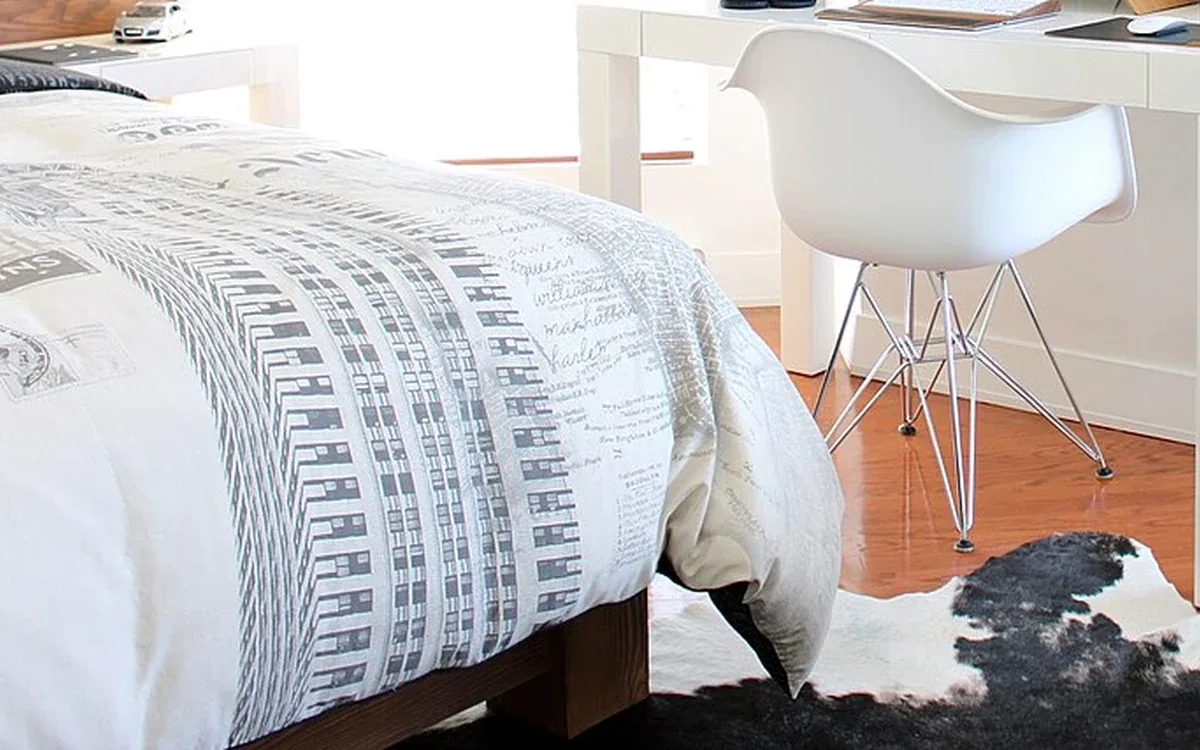
- Bed and desk chair on a wooden floor: Gabriel Beaudry gbeaudry. Original photograph, CC0. Cropped and resized.
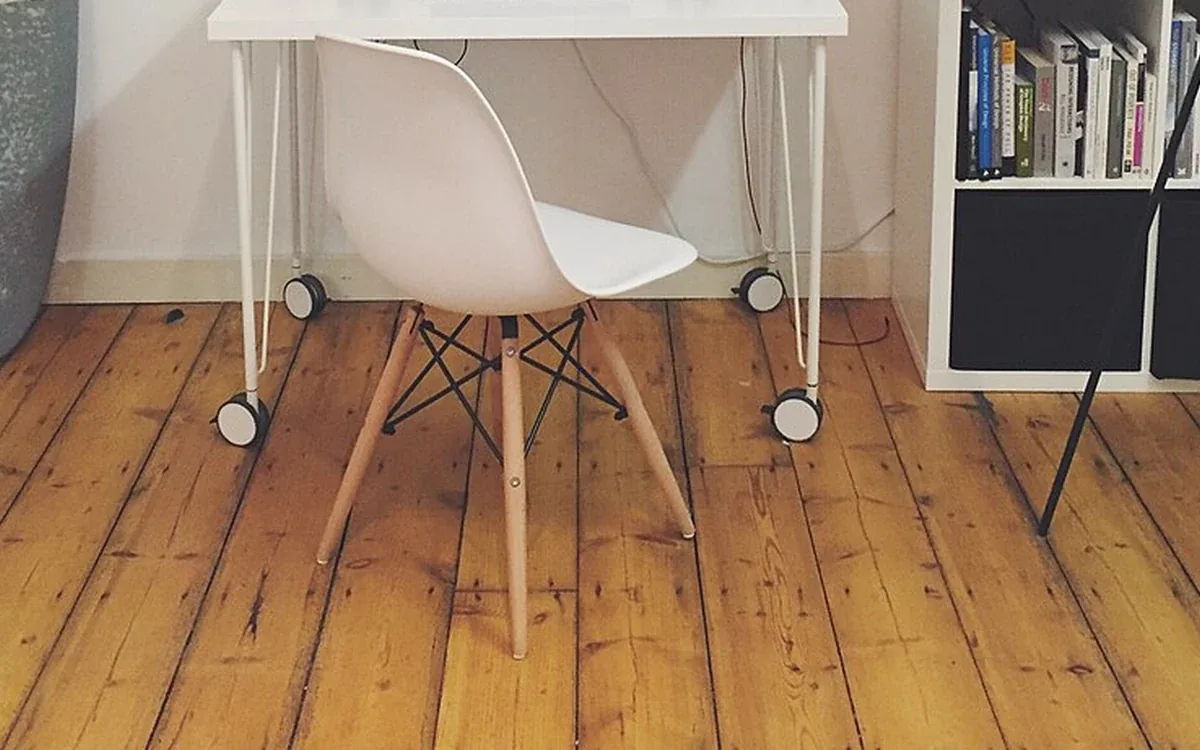
- Desk chair beside an open bookcase: Rob Bye robertbye. Original photograph, CC0. Cropped and resized.





