

When your planned listing date changes, preserve the work already completed, restore only what your household needs, and postpone tasks that depend on a confirmed sale schedule. Keep cleared rooms usable, record anything you unpack, and address new maintenance concerns with the appropriate professional. A delay does not require starting home sale preparation over.
For South Carolina households, the challenge is deciding how to live comfortably while keeping sorting, organizing, and preparation decisions intact. The home may still need to support meals, work, caregiving, or visits while the next step remains uncertain.
Quick answer
- Save a record of the prepared rooms and remaining tasks.
- Reopen only the belongings needed for current household life.
- Give incoming items a place without filling cleared areas again.
- Review bookings and outside-provider arrangements before changing them.
- Resume final listing preparation when the responsible parties confirm the next step.
What should stay prepared when the listing date moves?
Keep the parts of preparation that make the home easier to use: clear walking routes, accessible cabinets, sorted paperwork, and belongings grouped by their agreed destination. These improvements can remain useful even when photography or listing plans pause.
Separate that work from arrangements made only for presentation. A household may need to put a reading chair back, restore a work surface, or bring cooking equipment out of a box. Those choices can be practical without undoing the entire plan.
Discuss presentation priorities with your real estate professional before removing furniture or revising room layouts. The household decides what it needs for everyday comfort; the agent advises on listing strategy and presentation.
If you need help preserving completed sorting and room organization, review Clutter Cleaner of South Carolina’s home sale preparation service. Explain what has already been finished and what changed, so a discussion can focus on maintaining that work.
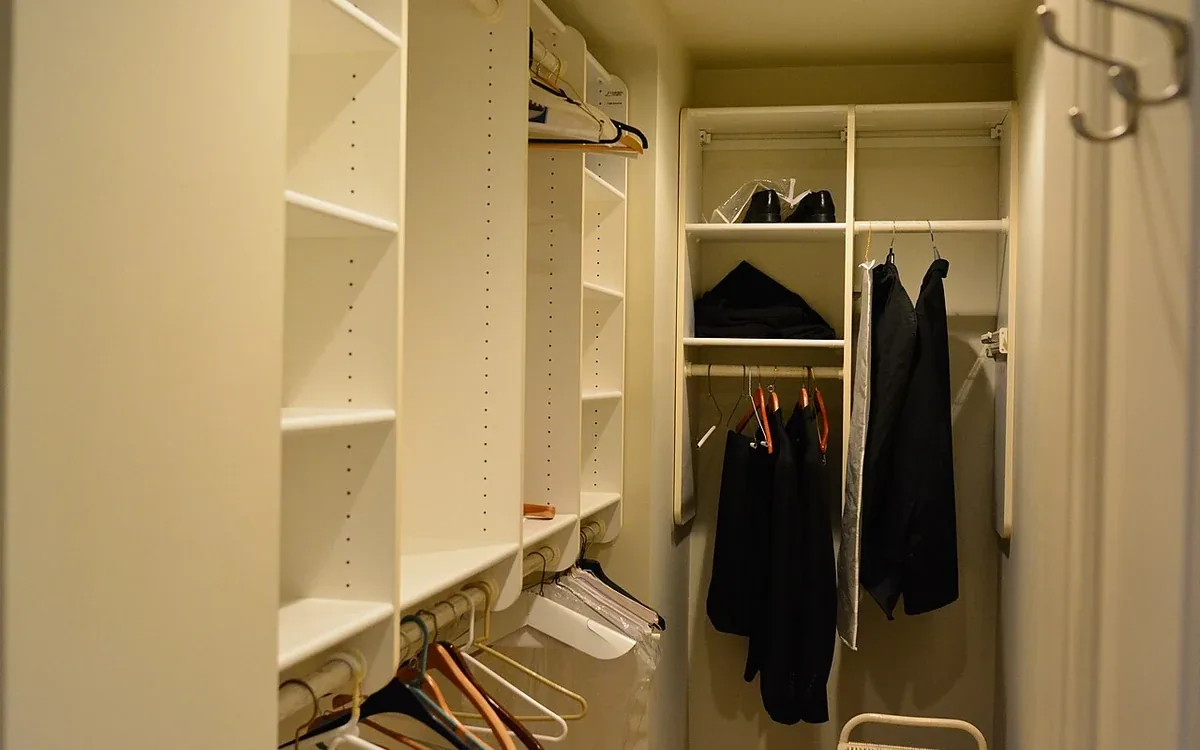
Save a record before everyday life changes the rooms
Use a simple record to capture the home’s prepared condition. Room photos and brief notes can show furniture placement, cleared surfaces, and where packed belongings went. Keep personal documents and sensitive information out of shared photographs.
The record should explain decisions, not just appearance. A box labeled “bedroom” tells you little if it contains items awaiting family approval. Add the intended destination and any unresolved question.
Useful notes include:
- Which belongings remain in the home for current use.
- Which boxes are packed and where they are located.
- Which items are awaiting an owner’s decision.
- Which tasks are complete and which need outside input.
For an estate-related sale, keep ownership questions separate from room preparation. The guide to the best way to clean out an estate is a related resource for the underlying cleanout process.
During the delay, use your record to avoid repeating settled sorting decisions. Revisit an item when needs, ownership instructions, or its condition actually change.
How much should you unpack during a listing delay?
Unpack according to a specific need rather than reopening every box because the date changed. Start with belongings that support health, meals, sleep, work, and household care. If something needed for safe daily living was packed too early, bring it back into use.
Record what leaves each box. A short note such as “desk lamp returned to office” is enough to prevent confusion when packing resumes. Keep the box label accurate so nobody later assumes it still contains the lamp.
For example, a household that cleared a dining room for photographs may need the table for meals again. It can restore place settings and a serving dish while leaving unused decorations packed.
Avoid repeatedly handling fragile or heavy belongings just to preserve a room’s appearance. Discuss handling needs with an appropriate provider when needed. The goal is a workable home with a clear route back to the prepared layout, without constant packing and unpacking.
Keep settled decisions from becoming new piles
A postponed listing can leave belongings stranded between decisions and destinations. A donation group may still be waiting for an approved recipient, or family members may not have collected items assigned to them. Keep those groups distinct from belongings still under review.
Choose a suitable place for incoming mail, purchases, and items brought back into use. That place should not obstruct doors, stairs, equipment access, or the cleared routes you worked to establish.
Use labels that describe the actual decision:
- Keeping: Needed now or intended for the next home.
- Awaiting approval: Ownership or destination remains unresolved.
- Ready for transfer: Destination is agreed, but arrangements need confirmation.
- Returned to use: Unpacked during the delay and added to the room record.
A label is not permission to sell, donate, or dispose of property. The person authorized to make that decision must approve it.
If a cleared room starts collecting unrelated belongings, address the cause. Perhaps a delivery has no destination, or someone needs an accessible place for paperwork. Solve that specific problem rather than sorting the whole house again.
Adjust the routine to whether the home is occupied
An occupied home needs enough flexibility for ordinary life. Choose a maintenance routine your household can sustain without preserving every room exactly as it looked after preparation. Concentrate on keeping surfaces usable, walking routes open, and packed groups identifiable.
A vacant home needs a named person responsible for access and property checks. Agree on who will notice and report changes, where records belong, and how concerns reach the owner or responsible representative. A cleanout or move team should not be assumed to provide ongoing property supervision.
For any South Carolina home, consider the property’s actual condition and exposure when deciding what needs attention. After rain or a change in occupancy, new staining, damp belongings, or an unfamiliar odor deserves attention rather than concealment.
Ask the appropriate contractor or inspector to evaluate concerns beyond ordinary housekeeping. Contact the insurer about coverage questions related to vacancy or changed occupancy. Avoid making utility or building-system changes solely to simplify listing preparation.
Should storage or outside bookings change?
Review outside arrangements when the listing is delayed, but do not assume every booking must be canceled. Ask each provider about the current agreement, change terms, access requirements, and what remains appropriate while the date is uncertain.
Storage is a separate household choice and provider arrangement. Before moving packed belongings into storage, consider whether you will need access, how they will be protected, and who will retrieve them. Confirm the storage provider’s terms directly. A listing delay alone does not establish that storage is necessary.
Keep appraisal questions separate from space decisions. If the household needs a professional opinion about an item’s value, consult an appropriate appraiser before approving its sale or disposal. A practical cleanout team can discuss which belongings need a decision without establishing their appraised value.
For contractor work, photography, moving, auctions, or estate-sale arrangements, contact the relevant provider about changes. Keep written confirmation with the preparation record. Avoid relying on an earlier conversation once the underlying schedule has changed.
Keep household choices separate from professional decisions
The household can decide which everyday belongings to use, how to organize them, and what comfort it needs during the pause. Owners or authorized representatives can approve property decisions within their authority. Unclear authority calls for legal guidance.
Different questions belong with different responsible parties:
- A real estate professional advises on listing timing, presentation, marketing, and sale strategy.
- A qualified appraiser assesses value within the scope of the appraisal.
- Contractors and inspectors evaluate building concerns within their respective roles.
- An attorney advises on ownership, estate authority, disputes, and legal obligations.
- The relevant authority determines applicable compliance requirements and approvals.
Code compliance support does not replace an official determination, inspection, permit, or legal advice. Keep notices and correspondence available for the responsible professional or authority.
Disposal also requires its own decision and arrangements. The household or authorized representative approves what may leave; the receiving facility or provider confirms what it accepts and any handling requirements. Do not place unknown substances or disputed belongings into an outgoing group merely to keep a room clear.
Use the delay to resolve dependencies, not expand the project
A pause can make unfinished tasks feel more urgent, even when they do not affect the next step. Review each proposed task by asking what decision it supports and who needs the result.
For example, a packed room may be waiting on family ownership instructions. Its useful next step is resolving those instructions, not rearranging the boxes repeatedly. A wall stain may need professional assessment before presentation choices make sense.
Maintain a short list of dependencies:
- The question that remains unresolved.
- The person responsible for answering it.
- The preparation task that depends on that answer.
- The evidence or confirmation needed to proceed.
This keeps uncertainty visible without turning the delay into a larger renovation or another full cleanout.
Household priorities may also change during the pause. If caregiving needs or a planned destination changes, revise the affected portion of the plan. Preserve the decisions that still fit instead of treating every earlier choice as obsolete.
Restart from the current condition when a date is confirmed
Once the next listing step is confirmed, compare the current rooms with your preparation record. Identify belongings returned to use, incoming items that need decisions, and any maintenance concerns that appeared during the pause.
Discuss the final presentation needs with your real estate professional. A practical cleanout or move team may discuss room access, remaining sorting, packing priorities, furniture handling, and how an agreed scope relates to other providers’ work. Confirm specific arrangements rather than assuming they are included.
The renewed plan should account for changes. If a family member now needs a room or an item remains under legal review, record that constraint before anyone moves belongings.
Clutter Cleaner of South Carolina offers home sale preparation, downsizing and organizing, and move management across South Carolina. Its physical business location is Mount Pleasant, SC, and Charleston is its primary market. Call (843) 972-7020 to discuss the preparation already completed, the reason for the pause, and the household decisions still outstanding.
Short FAQ
Do we need to repeat the whole cleanout?
Base that decision on what changed. If sorted groups remain intact and rooms remain usable, focus on the affected areas. Review any new belongings or revised ownership instructions before arranging further work.
Can we bring furniture back into a prepared room?
Yes, the household can decide what it needs for living comfortably. Record the change and discuss future presentation with your real estate professional. Get appropriate handling help where needed.
Who decides when the home is ready to list?
The seller or authorized representative makes sale decisions with guidance from the real estate professional. Legal, inspection, and compliance questions remain with the responsible professional or authority. Completed cleanout work alone does not settle them.
Photo credits
- Pale seats and narrow table near windows: Scott Webb. Original photograph, CC0. Cropped and resized.
- Open closet with shelves and clothes: Photo by Joe Mabel. Original photograph, CC BY-SA 4.0. Cropped and resized.
- Pale wooden drawer fronts: Trongphu. Original photograph, CC BY-SA 3.0. Cropped and resized.






