
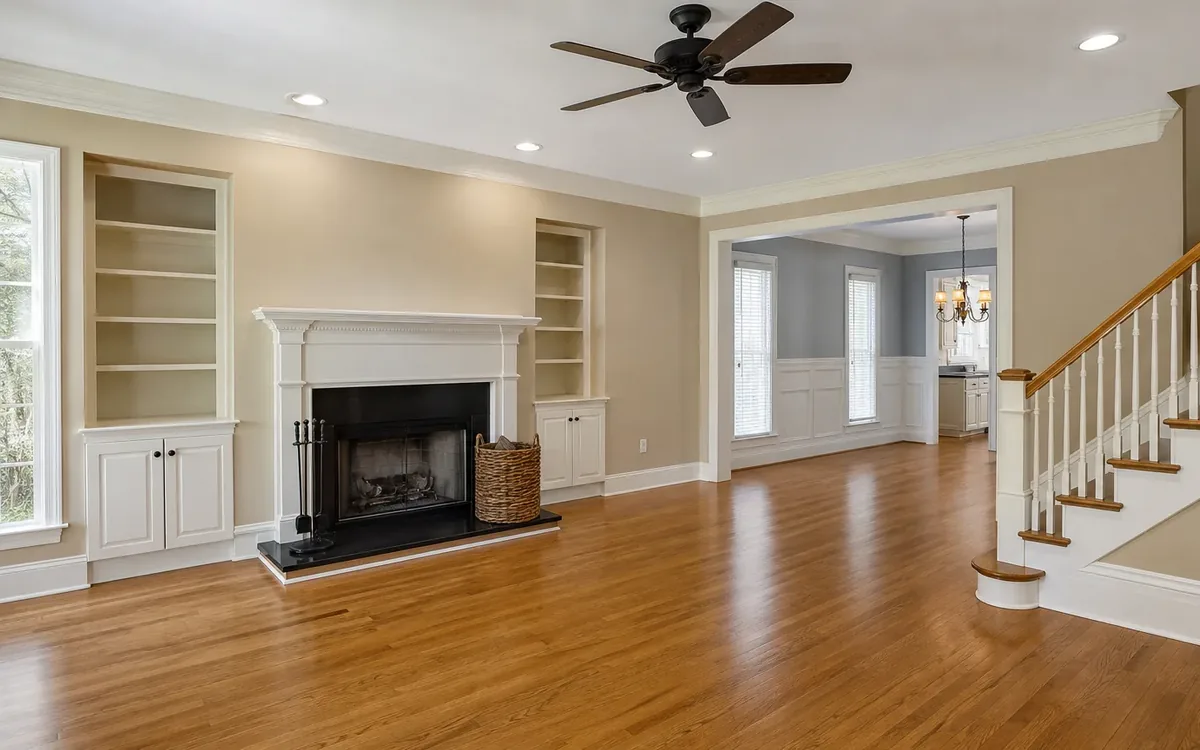
Before a final walkthrough, check the home after the main move is complete, open every accessible storage space, and compare anything left behind with the items your agent confirms should remain. South Carolina sellers should coordinate this belongings check with their agent and agreed possession schedule. An empty-looking room is not proof that its closets, drawers, overhead shelves, or outdoor storage are empty.
Quick answer: Walk the property in a fixed order with a flashlight, a written room list, and separate containers for belongings you will take and items needing review. Check hidden storage, record unresolved items, and ask your agent about anything that might be included in the sale. Do not remove attached equipment or disputed items based only on appearance.
What should stay, and what should leave?
Start with the transaction documents and your agent’s guidance, not a general rule about what sellers usually leave. Appliances, window treatments, mounted equipment, outdoor items, and other property may be addressed in the agreement. Whether an item belongs with the house can require contract interpretation.
The household can identify its personal belongings, decide which possessions to keep, and authorize handling of items it owns. Your agent can help identify transaction questions and communicate with the buyer’s side. Legal interpretation belongs with the appropriate legal professional, not a cleanout or move team.
Use three working categories:
- Take: Personal belongings clearly intended to move with the household.
- Leave as confirmed: Items your agent confirms should remain under the transaction arrangements.
- Hold for review: Anything whose ownership, inclusion, or handling is uncertain.
Keep the review category specific. “Garage stuff” is difficult to resolve. “Freestanding metal shelf beside the water heater” gives your agent something identifiable to discuss.
For help coordinating the physical preparation of a property, review Clutter Cleaner of South Carolina’s home sale preparation service. Explain that the main move is finished and the remaining concern is overlooked belongings, rather than early listing decluttering.
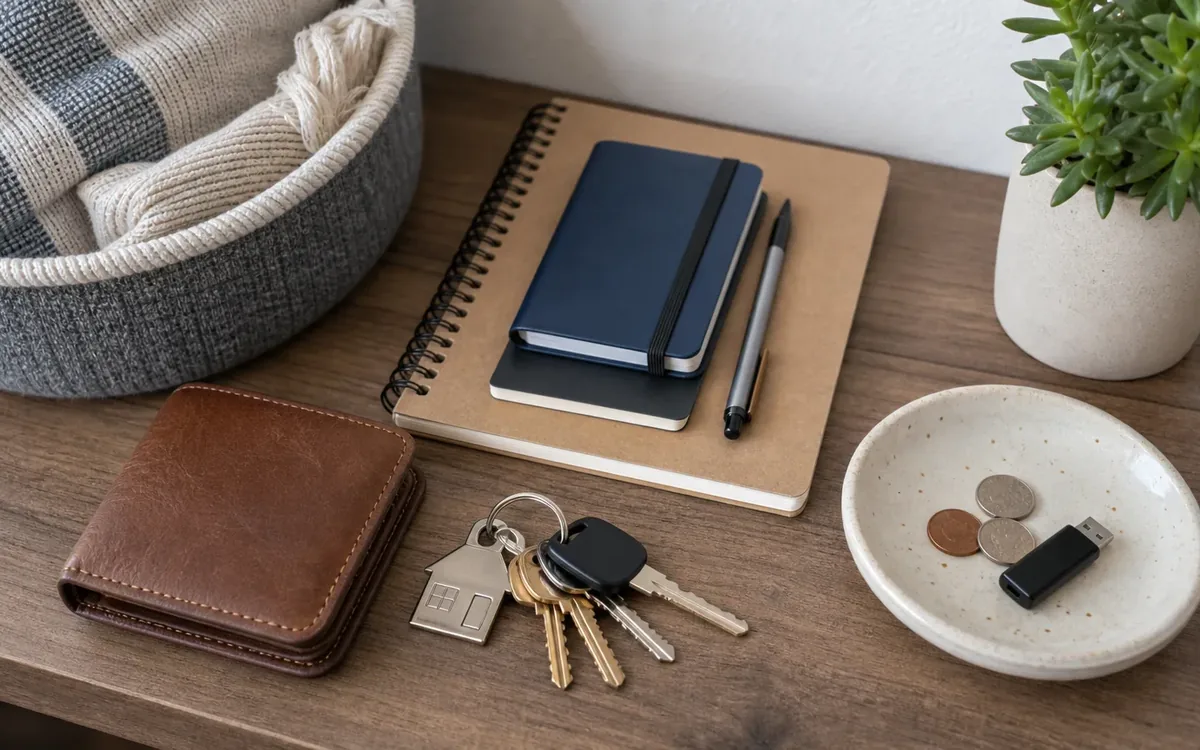
Establish a search route after move-out
A useful final check follows spaces rather than memory. Once furniture is gone, familiar rooms look different, and small objects can blend into built-in storage or mechanical areas.
Make a list of every room, storage area, and accessible outdoor enclosure. Follow the same route from start to finish. Mark each space only after opening its accessible compartments and checking behind remaining freestanding objects.
Assign one household member to maintain the list. Other people can search, but a single record reduces assumptions that someone else checked a closet or collected a box.
Bring simple supplies:
- A flashlight for deep cabinets and shaded corners.
- A phone for item and location photos.
- Labels or removable notes for unresolved items.
- Separate containers for household belongings and review items.
- Gloves appropriate to ordinary handling.
Do not turn the search into a repair project. A locked compartment, inaccessible loft, unstable shelf, or suspicious material should become a recorded issue for the appropriate person, not a reason to force access.
If leftover belongings involve a deceased owner’s household, the guide to how estate cleanouts work provides related context. Keep authority to distribute estate property separate from the practical task of finding it.
Where do belongings hide after the moving truck leaves?
Search the spaces most likely to have escaped the main packing process. These are often places used for occasional storage or objects kept out of everyday sight.
Kitchens and laundry areas
Open upper cabinets, lower cabinets, drawers, pantry storage, and accessible compartments in appliances. Look at the back of deep shelves and beneath removable drawer inserts without dismantling cabinetry.
Common leftovers include serving trays, cleaning supplies, shelf risers, appliance accessories, and small containers pushed behind larger objects. Check the laundry area for baskets, garment bags, supplies, and items resting on nearby shelves.
Distinguish personal accessories from parts needed for equipment staying with the home. An appliance component should not automatically go into a packing box.
Bedrooms, bathrooms, and closets
Look above closet rods, behind open doors, beneath built-in benches, and inside medicine cabinets and vanity drawers. A closet can look empty at eye level while still holding a box on its highest shelf.
Inspect linen storage, recessed shelves, and the backs of drawers. Jewelry, documents, medications, and personal care items deserve deliberate handling rather than being mixed into general debris.
Garages, sheds, and outdoor storage
Check accessible cabinet interiors, workbench drawers, freestanding shelves, and storage tucked behind doors. Look around patios, porches, garden storage, and the area beside outdoor bins.
Useful targets include:
- Tools stored in drawers rather than visible toolboxes.
- Pots, garden accessories, and folded furniture.
- Containers under work surfaces.
- Personal supplies near mechanical equipment.
- Decorations stored above normal sightlines.
Do not remove attached systems or handle unknown chemicals as ordinary household leftovers. Identify the issue and arrange appropriate guidance or handling.
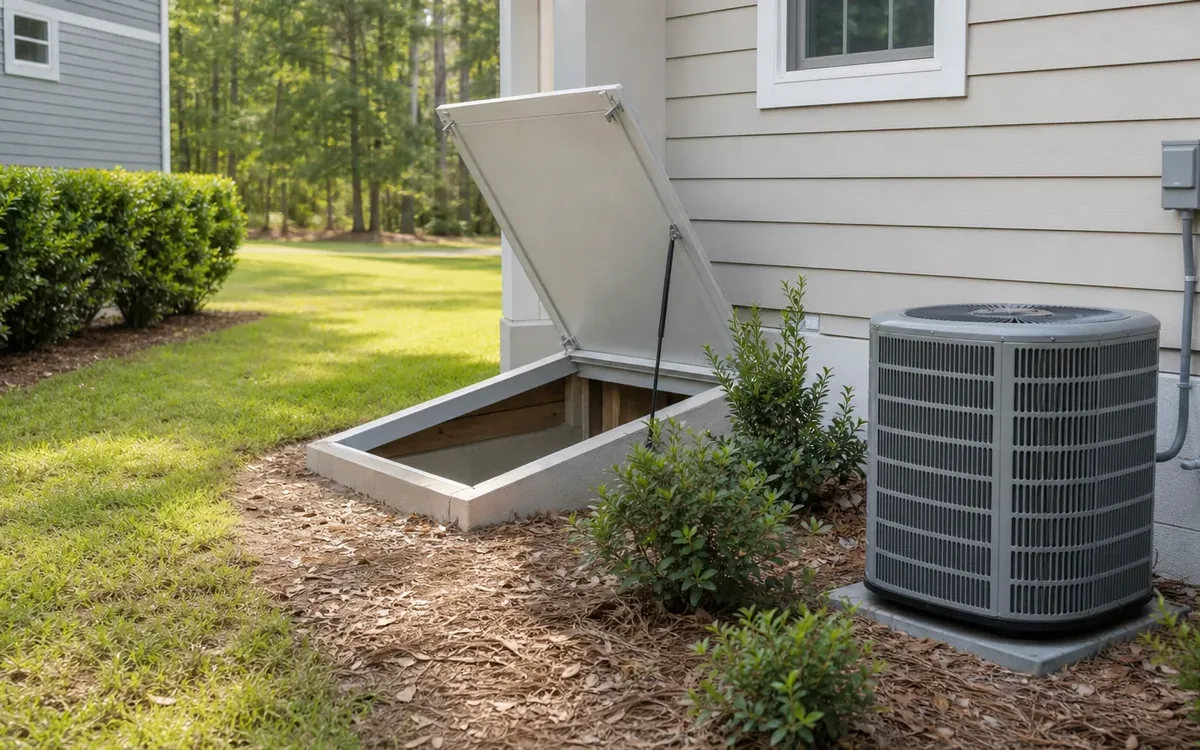
Check attics, crawlspaces, and mechanical areas safely
Less-used spaces need attention, but an empty-house search is not permission to enter an unsafe area. Look only where access, lighting, footing, and conditions allow a safe check.
For an attic, distinguish a usable storage platform from exposed framing or insulation. Do not step onto surfaces that are not intended to support a person. If stored objects cannot be reached safely, record their location and discuss access with an appropriate provider.
For crawlspaces and mechanical areas, avoid moving equipment, opening service panels, disconnecting lines, or disturbing unfamiliar materials. Inspection and technical judgments belong with qualified professionals. Code or compliance requirements belong with the responsible authority and relevant professionals.
Pay particular attention to objects stored near equipment. A loose carton may be personal property, while a labeled accessory or replacement component may relate to the house. Ask rather than guessing.
If a concealed area cannot be checked, describe it accurately in your notes. “Attic storage beyond the accessible platform not checked” is more useful than marking the entire attic clear.
How should you handle something you find at the last minute?
First identify the object and its location. Then determine whether the household owns it, whether it is meant to remain, and whether it can be handled safely. Finding an item does not settle those questions.
For an ordinary personal belonging, the household can choose where it should go and who will move it. If transportation is not arranged, keep it in a clearly identified staging area while discussing options. Storage is a separate household or provider choice, not an automatic part of home sale preparation.
For an uncertain item, take a photo and send a precise question to your agent. Avoid removing it while awaiting clarification if removal could affect the transaction.
Use a brief item record:
- Location: Where the object was found.
- Description: Enough detail to distinguish it from similar objects.
- Owner or authority: Who can approve its handling.
- Proposed action: Take, leave, or seek further direction.
- Status: Resolved or still awaiting a decision.
For medications, chemicals, paint, fuel, or other potentially regulated materials, seek guidance from the appropriate disposal provider or local authority. Do not assume these materials can go into ordinary trash or be accepted by a cleanout team.
For possible valuables, pause before disposal or donation. The household can request an appraisal from a suitable professional. A cleanout discussion is not an appraisal or a legal determination of ownership.
Keep the belongings check separate from condition issues
Removing the final boxes may reveal wall damage, staining, moisture, a loose fixture, or a hidden maintenance concern. Record these separately from belongings so the two issues do not become confused.
“Box left in closet” is a handling task. “Discoloration behind the box” may be a condition question. Your agent can help route transaction-related communication, while an inspector or appropriate contractor evaluates technical concerns within their role.
Do not cover a newly exposed issue with another object or attempt an improvised fix simply to make the room look finished. Whether work is required, who authorizes it, and whether approval is necessary should be determined through the appropriate channels.
The belongings check confirms what was searched and what was found. It does not certify the home’s condition, establish code compliance, or replace the buyer’s walkthrough or a professional inspection.
Coordinate the final pass with your agent and handling team
In South Carolina, coordinate access and removal plans with your agent and the agreed possession schedule. Do not assume ownership, access rights, or permission to reenter remain unchanged throughout closing and possession.
Ask your agent to clarify unresolved practical questions:
- Who should receive notice if belongings remain?
- Which items have been confirmed to stay?
- How should an inaccessible storage area be reported?
- What access arrangements apply to another removal visit?
- How should any unresolved issue be communicated before the walkthrough?
A practical cleanout or move team may discuss accessible locations, item identification, handling instructions, staging, and the physical logistics of moving authorized belongings. The household supplies decisions and authority; the team should not be asked to interpret the sale agreement.
Clutter Cleaner of South Carolina is physically located in Mount Pleasant, with Charleston as its primary market and a service territory covering all of South Carolina. Its home sale preparation and move management services are relevant topics to discuss when overlooked belongings complicate a move-out. Explain the remaining items and access constraints so the conversation stays specific.
Appraisals, storage arrangements, contractor work, and disposal acceptance remain separate decisions involving the household or appropriate providers. Legal, real-estate, inspection, and compliance determinations remain with the responsible professionals or authorities.
Close the loop with a clear final record
After authorized belongings have been handled, revisit only the locations affected by that work, then complete your route. Check that staging containers themselves have not become the new leftovers.
Keep a simple record of searched spaces, confirmed items staying, and unresolved exceptions. Photos can help identify an object or location, but they do not establish contractual compliance or replace professional advice.
The useful endpoint is not merely “the house looks empty.” It is a clear account of what was checked, what intentionally remains, and what still needs a decision. Share unresolved issues with your agent rather than leaving them for discovery during the walkthrough.
FAQ
Should every cabinet and drawer be opened?
Open accessible household storage, including spaces that appear unused. Do not force locked compartments, dismantle built-ins, or open equipment service panels. Record areas that could not be checked.
Can I leave useful supplies for the buyer?
Do not assume usefulness means permission. Ask your agent how to confirm whether supplies, spare materials, or other loose items should remain. The household should not unilaterally substitute those items for removing personal belongings.
What if belongings are discovered after possession changes?
Contact your agent to discuss the appropriate communication and access process. Do not enter the property or arrange removal without authorization. Ownership disputes or questions about legal rights require advice from the responsible legal professional.



