
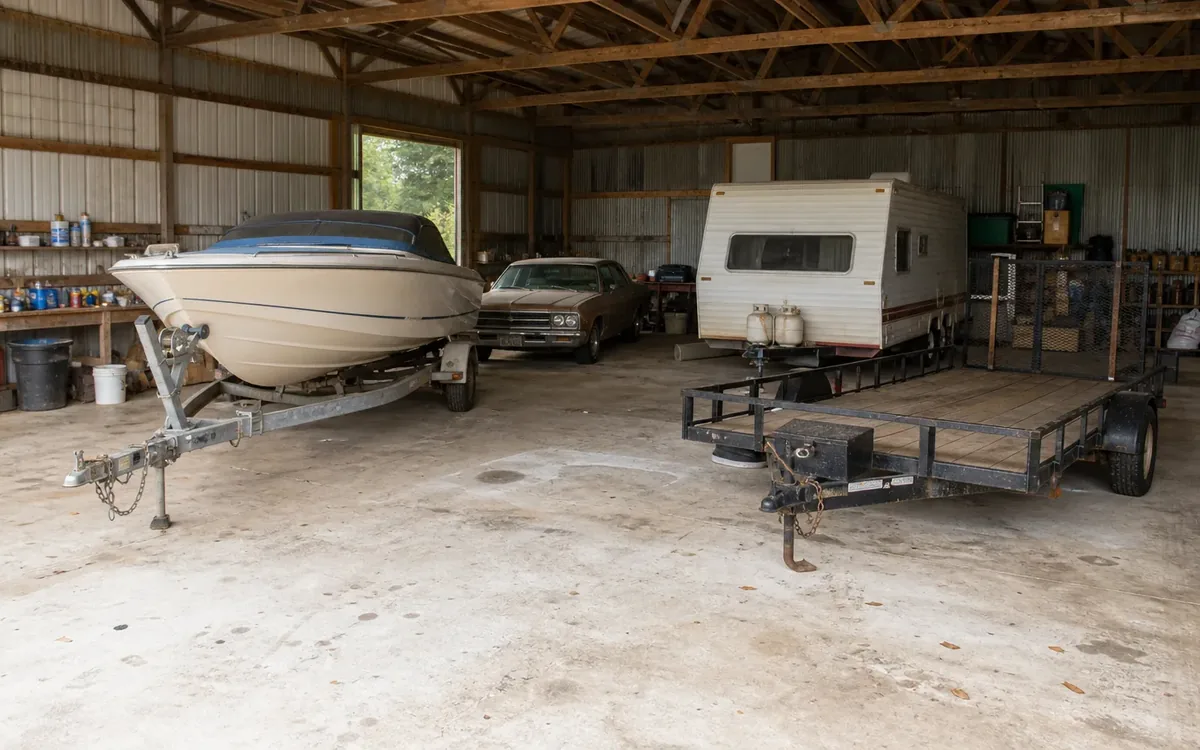
When a car, boat, golf cart, or trailer is found on an estate property, leave it in place unless safety, property access, or an authorized decision requires otherwise. Secure the keys, photograph the item and its identifying numbers, search carefully for ownership records, and let the personal representative decide what happens next. Questions about probate authority and ownership belong with the probate court or an attorney, while title and registration requirements should be confirmed with the South Carolina Department of Motor Vehicles or the appropriate registering authority.
Quick answer: Do not sell, tow, donate, repair, or discard an estate vehicle simply because it appears unused. First document it, protect its keys and records, identify who has authority to act, and confirm the transfer or disposal requirements with the responsible agency or professional.
Why should estate vehicles stay in place at first?
A parked vehicle can look like another object to clear from a garage or yard, but it may be titled property with financial, legal, or sentimental significance. Its location may also provide useful evidence about possession, condition, accessories, and stored records.
Moving it too early can create avoidable questions:
- Who authorized the move?
- Was anything removed from the vehicle?
- Did towing or handling change its condition?
- Were keys, titles, or accessories separated from it?
- Was a boat trailer mistakenly treated as part of the boat?
- Did the move interfere with an appraisal, inspection, or sale?
The household can secure the immediate area, gather visible records, and create an inventory. The personal representative or another person with documented authority should make decisions about sale, transfer, donation, storage, towing, or disposal.
If the broader property also needs sorting, an estate cleanout service for South Carolina homes may help the household discuss sequencing, contents removal, and access. That practical work is separate from determining legal ownership or approving a transfer.
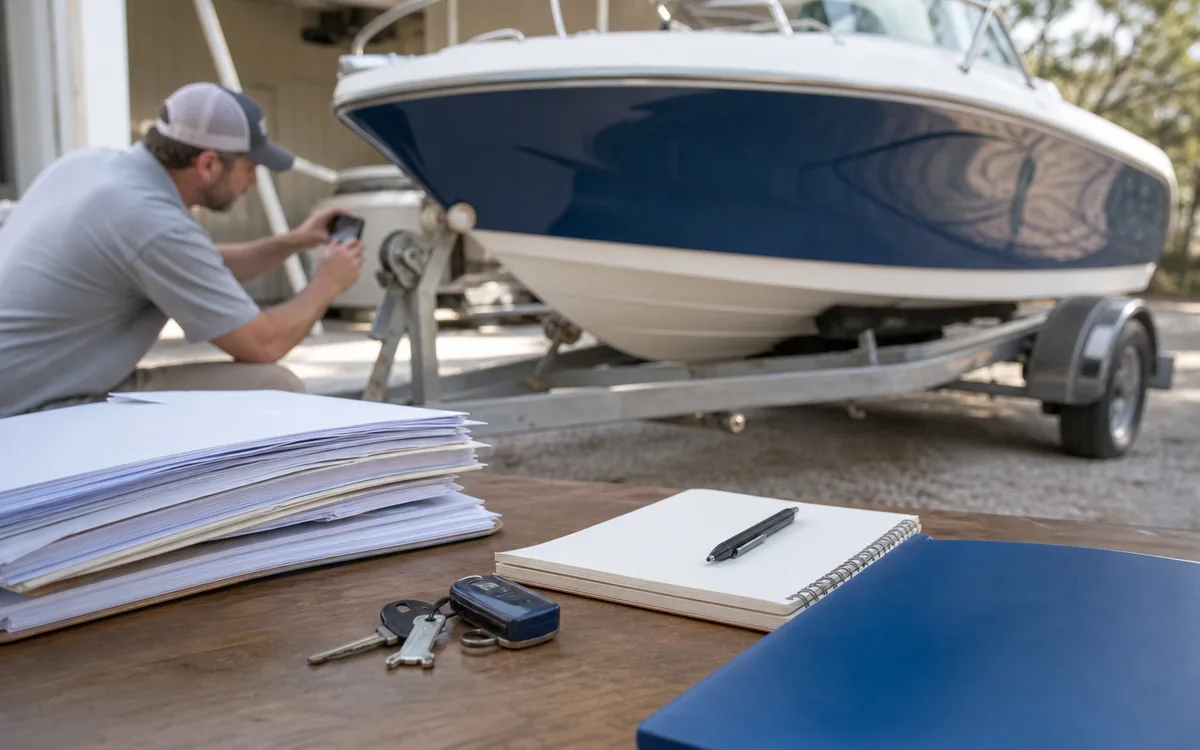
Start with documentation, not removal
Create a distinct record for every car, truck, motorcycle, boat, golf cart, utility trailer, boat trailer, camper, or other conveyance. Do not group several items under a vague label such as “old vehicles.”
Record what can be observed without dismantling anything:
- Item type, make, model, and color
- License plate or registration number
- Vehicle identification number, hull identification number, or trailer identification number
- Exact location on the property
- Visible condition and apparent damage
- Odometer or hour-meter reading, if safely accessible
- Keys, remotes, covers, chargers, and manuals found nearby
- Equipment stored in or attached to the item
- Names shown on visible paperwork
Take clear photographs of the entire item, identifying numbers, plate, interior, storage compartments, visible damage, and surrounding location. Photograph loose accessories before separating them.
Avoid starting an engine solely to test it. Old fuel, a weak battery, low fluids, mechanical problems, or an enclosed garage can create hazards. Mechanical evaluation belongs with a qualified repair or inspection provider selected by the authorized decision-maker.
A household already organizing a larger project may also benefit from the guide on the best way to clean out an estate. It explains how to establish authority and protect important property before general removal begins.
Where should you look for titles, keys, and registration papers?
Search methodically, but keep each discovery connected to the correct item. A title found in a desk should not automatically be matched to the first car outside.
Useful places to check include:
- Glove boxes, consoles, door pockets, and trunks
- Lockboxes, safes, filing cabinets, and desk drawers
- Envelopes labeled for insurance, taxes, loans, or maintenance
- Boat document cases and onboard storage compartments
- Garage cabinets, pegboards, workbenches, and key hooks
- Bags or boxes holding manuals and service receipts
- The deceased person’s wallet or organized records area
- Safe-deposit or attorney files, if the authorized person has lawful access
Keep original titles and ownership documents in a secure location controlled by the personal representative. Working copies can be used for organizing information when appropriate.
Do not write on, alter, sign, staple, or discard a title because information appears outdated. A misspelled name, old address, lien notation, co-owner, or unsigned assignment can affect the correct process. Ask the responsible agency or attorney how to address it.
Label keys without making unsupported assumptions. A useful label might read, “Key found on garage hook, possibly white boat,” rather than declaring a match that has not been tested.
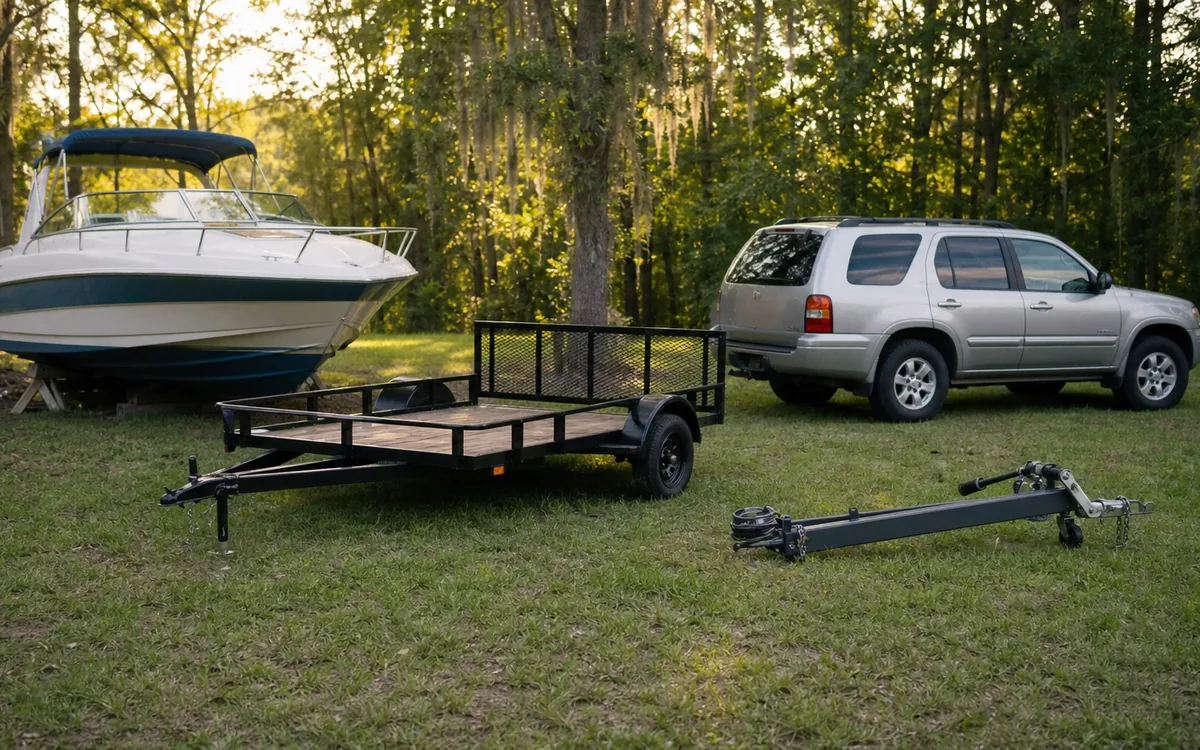
Separate the item from everything that comes with it
Vehicles and boats often have related property scattered across the home, garage, shed, or yard. Preserving those connections can prevent loss and make later evaluation easier.
Possible associated property includes:
- Spare keys and remotes
- Boat motors and trolling motors
- Chargers and golf cart charging equipment
- Trailer tongues, hitches, locks, and adapters
- Removable seats, covers, canopies, and cushions
- Navigation electronics and manuals
- Spare tires and wheel components
- Maintenance records and receipts
- Safety equipment and dock lines
- Vehicle-specific tools or replacement parts
Use one labeled container or records folder for each identified item. Large accessories can receive matching tags. Avoid placing original ownership papers inside an unlocked vehicle or boat.
Personal belongings found in a trunk, cabin, saddlebag, or toolbox should enter the estate’s normal review process. Cash, jewelry, firearms, medications, personal records, and family photographs should not remain mixed with equipment being prepared for appraisal or transport. Firearms, controlled substances, hazardous materials, and similar regulated items require guidance from the appropriate authority or qualified provider.
Who decides whether an estate vehicle is sold or kept?
The household may express preferences, identify sentimental connections, gather information, and discuss practical options. The person authorized to administer the estate decides whether an item can be retained, distributed, sold, donated, stored, or disposed of, subject to the estate plan, probate process, debts, co-ownership, liens, and professional advice.
Different decisions belong to different parties:
- Personal representative: Authorizes estate actions within the scope of that role and obtains professional guidance when needed.
- Beneficiaries or family members: Share information and preferences but should not assume that possession creates ownership.
- Attorney or probate court: Addresses authority, disputes, estate obligations, and interpretations of legal documents.
- SCDMV or other registering authority: Provides current requirements for titles, registration, plates, transfers, and certain disposals.
- Appraiser or qualified buyer: Evaluates condition or value within that professional’s field.
- Mechanic, marine technician, or inspector: Assesses mechanical condition, safety, or repair needs.
- Real-estate professional: Advises how the item’s location may affect photography, showings, access, or a property transaction.
- Towing, hauling, marina, or storage provider: Explains transport limits, access requirements, storage terms, and site conditions.
A cleanout or move team may discuss how to preserve access, keep documents with the correct inventory entry, and sequence household contents around an item that remains in place. It should not decide who owns the item, sign transfer documents, establish market value, or interpret probate authority.
What if the title is missing or the names do not match?
Do not treat a missing title as permission to abandon or scrap the item. First, record the identifying number and gather any registration, insurance, tax, loan, purchase, or maintenance documents that could help establish its history.
Then determine which authority handles that type of property. Cars and many trailers may involve SCDMV. Boats may involve a different registration or titling authority. A golf cart’s paperwork and permitted use may present different questions from those of a passenger vehicle. Requirements can also depend on how the item is classified and whether it was ever titled.
Contact the responsible authority for current instructions. If ownership is disputed, the estate has not been formally opened, a lien appears unresolved, or the name on the document differs from the deceased person’s name, consult the probate attorney or court as appropriate.
Do not create a homemade bill of sale, sign another person’s name, backdate paperwork, or remove identifying plates or numbers to make disposal easier. A towing yard, dealer, buyer, or scrap facility may have its own acceptance rules, but those rules do not replace estate authority or government requirements.
Address liens, co-owners, and insurance before transfer
Paperwork may show a lender, co-owner, business, trust, or another individual. Each possibility should be resolved before the estate promises the item to a beneficiary or buyer.
Check available records for:
- A lienholder listed on the title
- Loan statements or payoff correspondence
- Two names joined in a way that may affect transfer
- Ownership by a company or trust
- Insurance identifying another owner or regular operator
- Storage, marina, repair, towing, or tax balances
- A lease rather than outright ownership
Only the lender, registering authority, insurer, attorney, or other responsible party can explain what its records mean and what documentation it requires. A cleanout company should not declare a lien released or decide whether a co-owner’s consent is legally necessary.
The personal representative can also ask the insurer what should happen to coverage while the item remains parked, stored, transported, shown to buyers, or transferred. Do not assume the deceased owner’s policy continues unchanged.
Plan movement only after authority and destination are clear
Once the authorized person has selected a lawful next step, plan the physical move around the item’s condition and destination. A nonrunning car, a boat on a deteriorated trailer, and a golf cart without a charger require different providers and equipment.
Before arranging movement, confirm these six points:
- Authority: The person approving the move has the right to do so.
- Identity: The transporter receives the correct make, model, identifying number, and photographs.
- Condition: Flat tires, locked steering, missing wheels, low clearance, leaks, and structural concerns are disclosed.
- Access: Gates, branches, soft ground, narrow drives, garage clearances, and other obstacles are discussed.
- Destination: The receiving property, buyer, storage facility, marina, repair shop, or disposal provider has agreed to accept it.
- Documents: The responsible parties know which papers, identification, releases, or signatures are required.
Storage is a separate household or estate choice. The authorized person should compare access, security, weather exposure, insurance expectations, payment terms, and acceptance rules directly with storage providers.
Repairs are also a separate decision. A mechanic or marine contractor can propose work, while the estate decides whether that expense supports an approved goal. A cleanout plan should not assume repairs will increase value or guarantee a sale.
Coordinate vehicles with the property transition
Estate vehicles can affect more than the contents plan. A car blocking a garage may prevent access to stored belongings. A trailer beside a house may affect contractor access. A boat in a yard may influence listing photographs or inspection access.
Create a sequence that reflects the property’s actual priorities:
- Preserve access for authorized searches and inventory.
- Allow an appraiser or inspector to view the item before its condition changes.
- Remove personal belongings from the item through the normal estate review.
- Obtain transfer or disposal instructions from the proper authority.
- Select the destination and qualified transport provider.
- Schedule property cleaning, repairs, photography, or showings around the approved move.
A practical cleanout team may discuss clearing household contents without disturbing a secured vehicle and organizing loose accessories for review. A real-estate agent decides what supports the listing strategy. Inspectors evaluate conditions within their scope. Contractors decide how to perform approved repair work. Government agencies or associations determine applicable compliance requirements.
For a Charleston-area property or an estate elsewhere in South Carolina, Clutter Cleaner of South Carolina can be contacted at (843) 972-7020 to discuss estate cleanout planning. The business is physically located in Mount Pleasant, South Carolina, and Charleston is its primary market. Any vehicle-related legal, transfer, appraisal, mechanical, transport, or regulatory work remains with the appropriate decision-maker or provider.
Avoid shortcuts that can create larger problems
Pressure to empty the property can lead to decisions that are difficult to reverse. Avoid these common shortcuts:
- Giving keys to a prospective buyer before authority is confirmed
- Letting a family member drive the item away informally
- Separating a boat from its trailer without recording both identities
- Throwing away old registration cards or lien correspondence
- Advertising an item before ownership and transfer requirements are understood
- Assuming an unregistered or nonrunning vehicle has no value
- Authorizing scrap removal without preserving identifying information
- Paying for major repairs before an appraisal or estate decision
- Leaving keys, titles, or personal documents in an unattended vehicle
- Promising that a transfer will be simple before the responsible authority responds
If a leaking fuel container, unstable trailer, sharp damage, pest activity, or another immediate hazard is present, restrict access and contact the appropriate qualified provider or authority. Safety measures can be taken without making a final ownership or disposal decision.
Short FAQ
Can a family member use the vehicle while probate is pending?
Do not assume so. The personal representative should ask the estate attorney, insurer, and any relevant registering authority about permission, coverage, ownership, and risk before anyone drives or operates it.
Should the estate repair a car or boat before selling it?
That is a financial decision for the authorized estate representative. An appraiser, mechanic, marine technician, or qualified buyer can provide separate information about condition and potential value. No repair should be assumed to produce a particular return.
What if a vehicle appears abandoned on the property?
Document it and search for ownership records before treating it as abandoned. If it may belong to someone outside the estate, the personal representative should seek instructions from the appropriate authority or attorney rather than authorizing removal based on appearance.
Can a cleanout crew tow or dispose of the vehicles?
Vehicle transport and disposal require separate authority, appropriate providers, and destination-specific documentation. A cleanout team may discuss site access and project sequencing, but the estate must confirm ownership, authorization, and acceptance requirements.
Who determines the value?
A qualified appraiser or appropriate market professional can provide valuation information. Family estimates, online listings, cleanout observations, and sentimental value are not substitutes for a professional appraisal when one is needed.
What should happen to plates and registration papers?
Secure them with the estate records and ask SCDMV or the relevant registering authority for current instructions. Do not assume plates should remain on the item, transfer to another vehicle, or be discarded.
Keep the decision trail clear
The most useful estate record is one another authorized person can understand without guessing. For each vehicle, boat, golf cart, or trailer, retain the inventory entry, photographs, document copies, key location, professional contacts, written decisions, movement details, and final disposition records.
The central rule is simple: preserve first, verify authority second, and move only after the destination and requirements are clear. That approach protects the estate’s options while keeping cleanout work, legal decisions, appraisals, inspections, repairs, storage, transportation, and property-sale planning in their proper lanes.



