
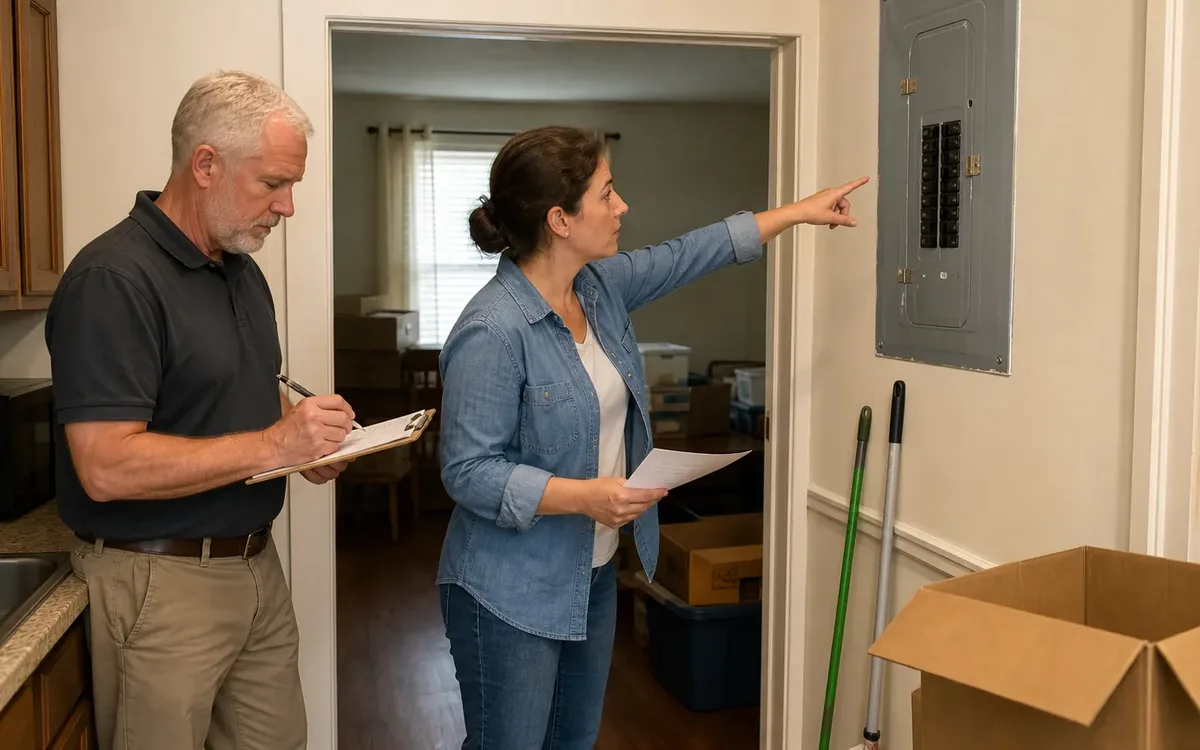
Utility service should usually remain active until the estate cleanout, property evaluation, contractor visits, inspections, and sale preparations no longer depend on it. The property representative can coordinate account access and choose requested shutoff dates, but utility providers control their procedures. Attorneys, personal representatives, inspectors, appraisers, real-estate professionals, contractors, and local authorities should make decisions within their respective roles.
Quick answer: Do not schedule every utility to end on the same date. First identify what electricity, HVAC, water, gas, refrigeration, lighting, internet, and security systems support. Then confirm the cleanout sequence, required professional visits, provider rules, and responsibility for the property after each shutoff. Keep written records of every request and confirmation.
South Carolina estates may involve different electric cooperatives, municipal systems, investor-owned utilities, propane suppliers, internet providers, and local water or sewer authorities. Each account must be handled under the applicable provider’s rules. A cleanout plan should therefore work backward from the property’s remaining needs rather than from a single move-out date.
Why can an early utility shutoff derail an estate cleanout?
A vacant-looking house may still need active systems. Electricity powers lights, outlets, garage doors, HVAC controls, sump or drainage equipment where present, security devices, and appliances that have not yet been emptied. Water may be needed for basic cleaning, toilets, sinks, and certain contractor tasks. Gas may support heat, hot water, cooking equipment, or a generator.
Premature shutoff can create avoidable obstacles:
- Dark rooms, closets, stairs, garages, attics, or exterior work areas
- Loss of air conditioning, heating, or humidity control
- No working outlets for approved equipment
- Refrigerators or freezers warming before their contents are removed
- Toilets and sinks becoming unavailable
- Internet-connected locks, cameras, thermostats, or alarms going offline
- Garage doors or gates requiring manual operation
- Inspectors, appraisers, agents, buyers, or contractors being unable to test systems
The answer is not to leave everything active indefinitely. It is to identify the last legitimate use for each service and place the shutoff after that point, subject to provider requirements and the responsible professional’s advice.
Families preparing the broader project can review how estate cleanouts work before assigning utility dates. For help discussing the physical clearing phase, see Clutter Cleaner’s estate cleanout service, available within its approved statewide South Carolina scope.

Who decides when an estate utility is shut off?
The person authorized to act for the estate or property owner generally initiates account changes. The utility decides what documentation it accepts, when service can be changed, whether access is required, and how final readings or equipment returns are handled.
Household representatives can decide or coordinate:
- Who will contact each provider
- Which authorized person will receive bills and notices
- The requested transfer or shutoff date
- Whether a service is still needed for cleaning or access
- Who will check the property while service remains active
- How keys, codes, provider appointments, and confirmations are recorded
A practical cleanout or move team may discuss work access, lighting, powered equipment, temperature concerns, water availability, appliance contents, and the planned order of room clearing. It can flag that a proposed cutoff may interfere with physical work. It should not determine estate authority, interpret a will, transfer an account without authorization, or guarantee that a provider will honor a requested date.
Keep these roles separate:
- Attorney or probate professional: Questions about legal authority, estate obligations, disputes, and permitted actions
- Utility provider: Account requirements, final readings, shutoff mechanics, meter access, deposits, equipment, and billing
- Licensed trade contractor: Gas, electrical, plumbing, HVAC, generator, appliance, or system safety questions
- Inspector or appraiser: Systems that must be accessible or operable for the assigned inspection or valuation
- Real-estate professional: Listing, showing, buyer-access, and transaction considerations within that professional’s role
- Insurer: Vacancy, monitoring, temperature, leak, or coverage requirements
- Government authority or association: Applicable property, safety, code, sewer, or community requirements
Clutter Cleaner of South Carolina may discuss cleanout sequencing and site access. Legal conclusions, appraisals, inspections, real-estate advice, regulated repairs, and compliance determinations remain with the responsible professional or authority.
What should stay on during the physical cleanout?
Start with the work conditions rather than the account list. Walk through the property and note what each utility presently supports.
Electricity and lighting
Electricity is often the backbone of the cleanout. Check permanent fixtures in hallways, stairs, bathrooms, garages, storage rooms, and exterior approaches. Also identify outlets that may be needed for authorized tools or cleaning equipment.
Do not assume daylight will be sufficient. Closets, attics, basements where present, enclosed garages, and interior rooms can remain dim. Portable lighting still needs power or charged batteries, and temporary arrangements must not create trip or electrical hazards.
Before requesting disconnection, ask whether any remaining appointment depends on powered systems. Inspectors and buyers may need to operate lights, appliances, HVAC, garage doors, pumps, or other installed equipment.
HVAC and climate control
South Carolina conditions can make temperature and humidity management relevant even when nobody lives in the home. The household, insurer, HVAC professional, and property manager, if one is involved, should decide appropriate settings and monitoring. A cleanout crew should not be treated as the authority on building preservation or insurance compliance.
Keep access to thermostats, indoor units, exterior units, electrical panels, vents, and filters clear. Do not stack sorted belongings where they block airflow or service access.
Water and toilets
Water can support toilets, handwashing, basic cleaning, and certain contractor tasks. Before ending service, check for final cleaning, plumbing evaluation, inspection, landscaping, pool service, or repair needs. A licensed plumber or applicable authority should advise on draining, winterization, leak concerns, or changes to plumbing systems.
If water is shut off while people still need to enter the property, establish another lawful sanitation and handwashing plan. Do not assume a nearby property or business can supply facilities.
Gas or propane
Determine what gas serves before changing it. It may supply heat, hot water, a range, fireplace, dryer, or generator. The provider or a qualified professional should address shutoff, tank ownership, remaining propane, pilot lights, appliance disconnection, and safety.
Do not move, disconnect, drain, or dispose of tanks or gas appliances based only on a cleanout schedule. Those are provider or licensed-contractor matters.
How should refrigeration be handled before power ends?
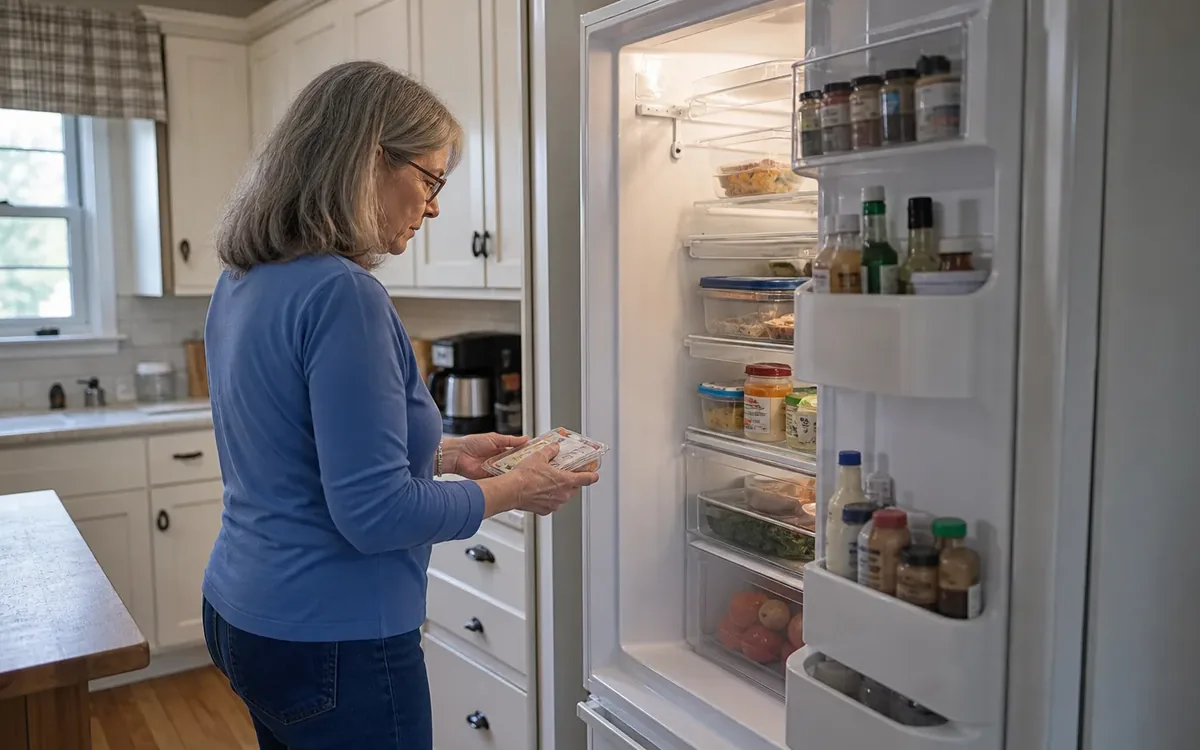
Refrigerators and freezers need a separate plan because their contents can be forgotten behind closed doors. Open and review each unit early, including garage, utility-room, outdoor-kitchen, and auxiliary units.
Use this four-part sequence:
- Identify contents and ownership. Separate ordinary food from medicines, keepsakes, specialty items, or property requiring a representative’s decision.
- Choose an outcome. The household decides what may be kept, transferred, donated where accepted, or discarded under applicable rules.
- Empty and clean the appliance. Coordinate cleaning before the electricity ends. Use proper disposal methods for spoiled food, chemicals, or restricted materials.
- Prepare the unit’s next step. If it stays, follow manufacturer or qualified professional guidance on cleaning, drying, doors, power, and water lines. If it leaves, confirm who will disconnect and transport it.
Do not unplug a full freezer and leave it closed. Also avoid turning off electricity while an ice maker or appliance water connection remains an unresolved concern. A plumber, appliance professional, or other qualified provider should handle disconnection questions outside the cleanout team’s role.
How do you build a utility-by-utility shutoff sequence?
Create one worksheet with a row for every service. Include electricity, water, sewer billing if separate, natural gas or propane, internet, telephone, television, security, gate service, and any monitored equipment. Record the provider name from an actual bill or meter label rather than relying on memory.
For each service, capture:
- Account holder and authorized contact
- Service address and account reference
- What the service powers or supports
- Last cleanout task that needs it
- Remaining inspection, appraisal, showing, or contractor dependency
- Provider documentation requirements
- Requested change date
- Appointment or access requirements
- Equipment to return
- Confirmation number and final-bill destination
- Person responsible for verifying the result
Then sequence the changes by dependency. Internet may be unnecessary after connected security, thermostats, locks, or cameras have been transferred or replaced. Water may remain useful through final cleaning. Electricity may need to continue through HVAC use, inspections, appliance handling, or sale preparation. Gas timing depends on the equipment it serves and professional guidance.
Avoid using one broad instruction such as “cancel utilities.” Specify whether each account is being discontinued, transferred to an heir, moved into another responsible party’s name, or retained pending sale. The provider determines which options are available.
Coordinate access before making provider requests
Utility work can fail if a meter, panel, tank, shutoff, equipment box, or mechanical area is blocked. During sorting, mark these zones as no-storage areas. Preserve a clear route to them from the appropriate entrance.
Access planning should address:
- Locked gates, doors, garages, and utility rooms
- Pets or other site hazards
- Meter locations and overgrown approaches
- Electrical panels and main shutoffs
- Indoor and outdoor HVAC equipment
- Propane tanks and fuel access
- Routers, modem equipment, and provider-owned boxes
- Security-system panels and account codes
Only give access codes or keys to authorized people. Remove access when their work is complete. If the home uses a connected lock, plan for what happens when internet or electricity ends. Keep a lawful physical-entry method available to the responsible representative.
A cleanout team can explain which rooms or access routes it expects to use. The utility, contractor, inspector, or appraiser should state its own access requirements. The estate representative should reconcile those needs and control authorization.
Protect inspections, appraisals, and the property sale
A cleanout completion date is not necessarily the last day utilities are needed. Appraisers, inspectors, real-estate professionals, buyers, photographers, cleaners, repair contractors, and local officials may visit afterward.
Before scheduling shutoffs, ask each relevant professional specific questions:
- Must electricity, water, gas, or HVAC be active for the planned visit?
- Which installed systems need to be demonstrated or tested?
- Does the property need lighting for photography or showings?
- Are contractors waiting on parts, approvals, or access?
- Who will monitor the home after the cleanout?
- Does the insurer impose conditions while the property is vacant?
- Is service expected to transfer as part of a pending transaction?
The professional responsible for an inspection decides the scope of that inspection. The appraiser controls appraisal methodology. The real-estate professional and closing parties address transaction coordination. The attorney addresses legal authority and estate questions. Local authorities determine applicable compliance requirements.
Home sale preparation can inform physical sequencing, but it does not replace those decisions. The wider guide to the best way to clean out an estate can help representatives place utility planning within the overall project without treating it as a generic cancellation task.
Plan for internet, alarms, cameras, and connected devices
Internet may support more than entertainment. List every connected device before canceling service:
- Security cameras and alarm communication
- Smart thermostats
- Water-leak or temperature sensors
- Smart locks and garage controls
- Video doorbells
- Connected smoke or carbon monoxide devices
- Irrigation or pool controls
- Voice assistants and household hubs
Determine who owns each device, where its data is stored, which account controls it, and whether it will stay with the property. The authorized representative should protect personal information and remove access for people who no longer need it.
A security company, internet provider, device manufacturer, insurer, or qualified contractor should answer technical and monitoring questions. Do not assume cellular backup exists or remains active after cancellation. If equipment is leased, confirm return instructions directly with the provider.
Use a final verification walk before each shutoff
A verification walk is different from the main cleanout. Its sole purpose is to confirm that the property is ready for a specific utility change.
Check the following items:
- All refrigerators and freezers are empty and addressed
- No authorized worker still needs lights, outlets, water, heat, or cooling
- Remaining professional visits have been confirmed
- Thermostats and connected devices have a post-internet plan
- Garage doors, gates, and smart locks have an access alternative
- Provider-owned equipment has been identified
- Meters, panels, valves, tanks, and mechanical equipment are accessible
- Final bills and notices will reach the correct authorized person
- The insurer and property professional have been consulted where relevant
- Shutoff confirmations are saved in the estate file
Photograph meter readings only when safe, permitted, and useful. Do not enter restricted spaces, operate unfamiliar equipment, or manipulate utility infrastructure. If there is an odor of gas, damaged wiring, active leaking, or another immediate hazard, leave the area as appropriate and contact the proper provider or emergency authority.
Common planning mistakes to avoid
The most disruptive mistakes usually come from treating all utilities as interchangeable.
Avoid these errors:
- Canceling electricity before emptying cold-storage appliances
- Ending HVAC service without consulting the insurer or appropriate property professional
- Shutting off water before final cleaning or a scheduled plumbing visit
- Canceling internet before replacing connected entry or monitoring functions
- Assuming an account cancellation automatically schedules equipment pickup
- Letting sorted contents block panels, meters, valves, or mechanical rooms
- Relying on a verbal request without retaining confirmation
- Assuming the buyer, agent, heir, or contractor will transfer an account
- Treating the cleanout team’s schedule as authority for legal or utility decisions
- Discarding provider-owned devices with household contents
Storage is also a separate household decision. If belongings move to storage, the representative chooses the facility and terms. Contractor work remains a separate engagement. Appraisal and sale decisions belong to the appointed professionals, while disposal choices must follow provider rules, facility restrictions, and applicable law.
Short FAQ
Should electricity stay on after the estate cleanout?
It may need to remain active for HVAC, inspections, repairs, cleaning, showings, security, or a pending transfer. Confirm those dependencies with the insurer, real-estate professional, inspector, contractors, and utility provider before choosing a date.
Can all utilities be shut off together?
They can have different final-use points and provider requirements. A utility-by-utility sequence is safer than one blanket cancellation request.
Who handles account authority after a death?
Ask each provider what documents it requires, and consult the estate attorney or appropriate probate professional about legal authority. A cleanout company cannot determine who may control an account.
Should water be turned off if the property is vacant?
That depends on plumbing conditions, climate-control strategy, insurance requirements, property monitoring, and remaining work. Seek guidance from the insurer, utility, plumber, or other responsible professional.
What should happen to rented internet or security equipment?
Contact the provider for return, transfer, or removal instructions. Keep serial numbers, receipts, and confirmation records with the estate file.
Can Clutter Cleaner coordinate around active utilities?
Clutter Cleaner of South Carolina can discuss how lighting, access, water, refrigeration, and climate conditions affect the physical cleanout plan across South Carolina. Utility authorization, technical shutoffs, legal decisions, inspections, appraisals, regulated work, and compliance determinations remain with the relevant provider, professional, or authority. The business is physically located in Mount Pleasant, with Charleston as its primary market, and can be reached at (843) 972-7020.



