
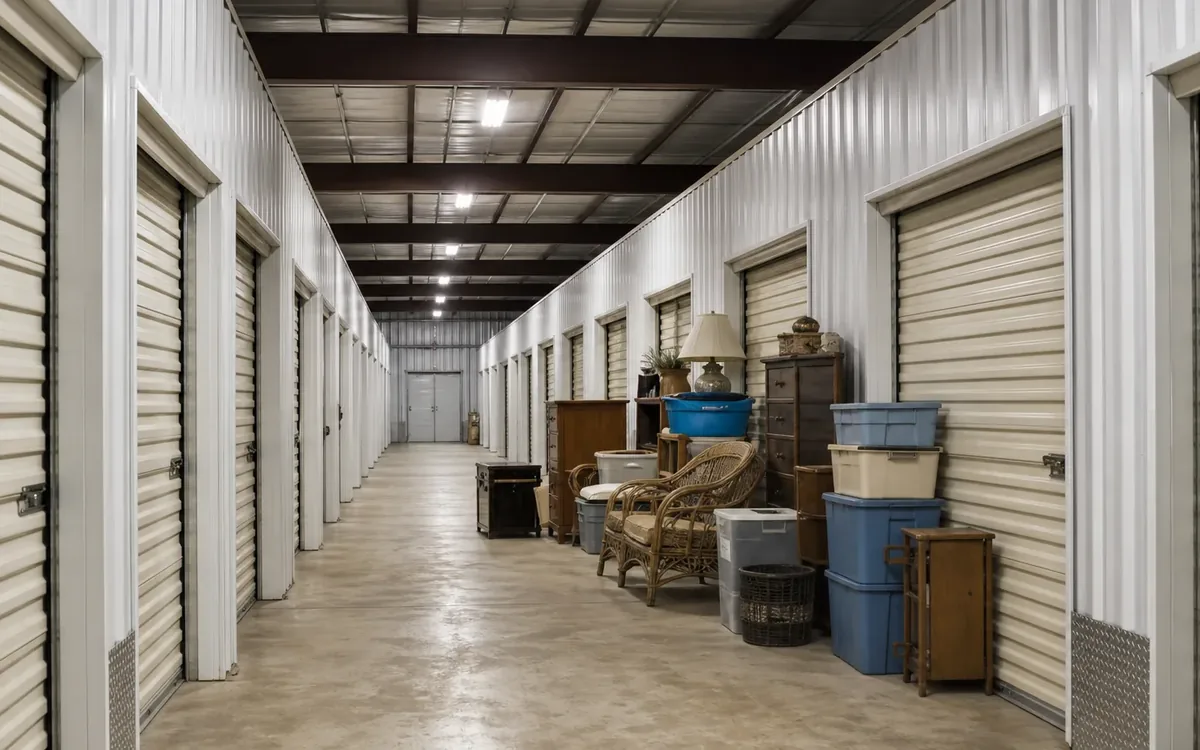
After a loved one dies, do not begin emptying their storage unit until the facility confirms who may enter and what documents it requires. Once access is settled, plan a limited first visit to document the contents, identify urgent risks, and decide which belongings should join the main estate sort. The household can organize and make authorized personal-property choices, but the personal representative, attorney, appraiser, storage facility, or other responsible professional must handle decisions within their respective authority.
Quick answer: Contact the storage facility before visiting. Ask about authorized access, required documents, account status, locks, deadlines, and facility rules. During the first visit, photograph the unit and separate records, valuables, sentimental items, and possible appraisal candidates from ordinary household contents. Do not donate, sell, discard, or distribute property until the person legally responsible for the estate approves those actions.
Why a storage unit needs its own plan
A storage unit is not simply another room in the home. Entry may be controlled by a rental agreement, facility policy, lock, gate code, and estate documentation. The person holding a key may not be the person authorized to remove property.
The contents can also be difficult to assess. Boxes may be stacked without labels, furniture may block access, and important papers may be mixed with low-value household goods. Some units contain items belonging to more than one person.
Treat the unit as a separate work area that must eventually connect to the broader estate plan. Before moving anything, determine:
- Who has authority to act for the estate
- Who is permitted to enter the facility
- Whether another person claims property in the unit
- Where documents and protected items will go
- Which items require valuation or specialist review
- Whether the home has space for anything brought back
- Who can approve sale, donation, recycling, or disposal
Families coordinating a larger property project can review Clutter Cleaner of South Carolina’s estate cleanout service to understand how practical sorting and removal support may fit into the overall process. Service coordination does not replace legal authority, appraisal, or facility approval.
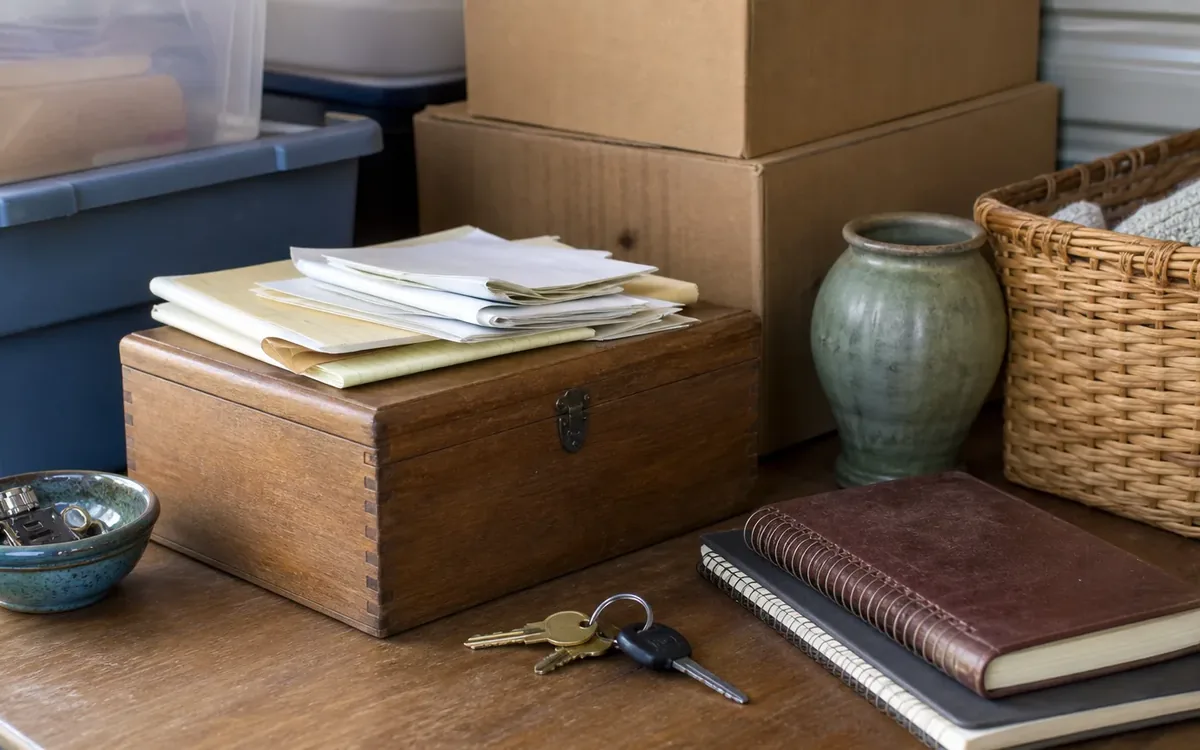
Who can access a storage unit after the renter dies?
The storage facility decides what documentation it will accept under its agreement, policies, and applicable requirements. Call the facility directly rather than relying on a key, gate code, family assumption, or verbal statement from someone else.
Ask the manager:
- Who is currently listed on the rental agreement?
- Is an authorized user named on the account?
- What documents are needed after a renter’s death?
- Must documents be submitted in advance?
- May the existing lock be opened or removed?
- Are there restrictions on movers, helpers, vehicles, or loading?
- What account charges or contractual deadlines require attention?
- How should access questions be escalated if authority is disputed?
Possible requested documents may include identification, a death certificate, court-issued estate documents, or other proof of authority. Requirements can vary, so the facility must explain its own process. An estate attorney or probate professional should address uncertainty about who has legal authority.
Do not cut a lock, enter using another person’s credentials, or remove belongings merely because a relative believes the items should go to them. Access and ownership are separate questions. Permission to enter does not necessarily authorize distribution, sale, or disposal.
Keep a written record of calls, names, document requests, and approvals. Save copies of relevant account communications with the estate records.
How should you plan the first visit?
Make the first visit an assessment rather than a full cleanout. A narrow purpose reduces rushed decisions and helps the estate representative understand what the unit contains before labor, vehicles, or destinations are arranged.
Bring only basic assessment supplies:
- Charged phone or camera
- Flashlight
- Gloves and closed-toe shoes
- Notepad or digital inventory tool
- Painter’s tape and marker
- A small document container
- Any access paperwork required by the facility
At the unit, photograph the closed door and unit identifier, then capture broad views before shifting boxes. Photograph visible labels, furniture, equipment, artwork, collections, and areas that cannot yet be reached. Avoid opening every container during this visit unless there is an immediate reason.
Note conditions that will affect later work, such as:
- Narrow aisles or blocked access
- Unstable stacks
- Heavy furniture or machinery
- Water damage, mold, pests, or strong odors
- Sharp, leaking, pressurized, or unidentified materials
- Items requiring special handling
- Limited loading or parking access
Follow facility safety rules. If the unit contains suspected hazardous material, firearms, ammunition, medication, sensitive records, or anything that may be regulated, pause and consult the appropriate facility representative, authority, attorney, or qualified provider. A cleanout crew should not determine legal handling requirements.
For a broader view of how sorting, approvals, removal, and final checks can connect, read how estate cleanouts work.
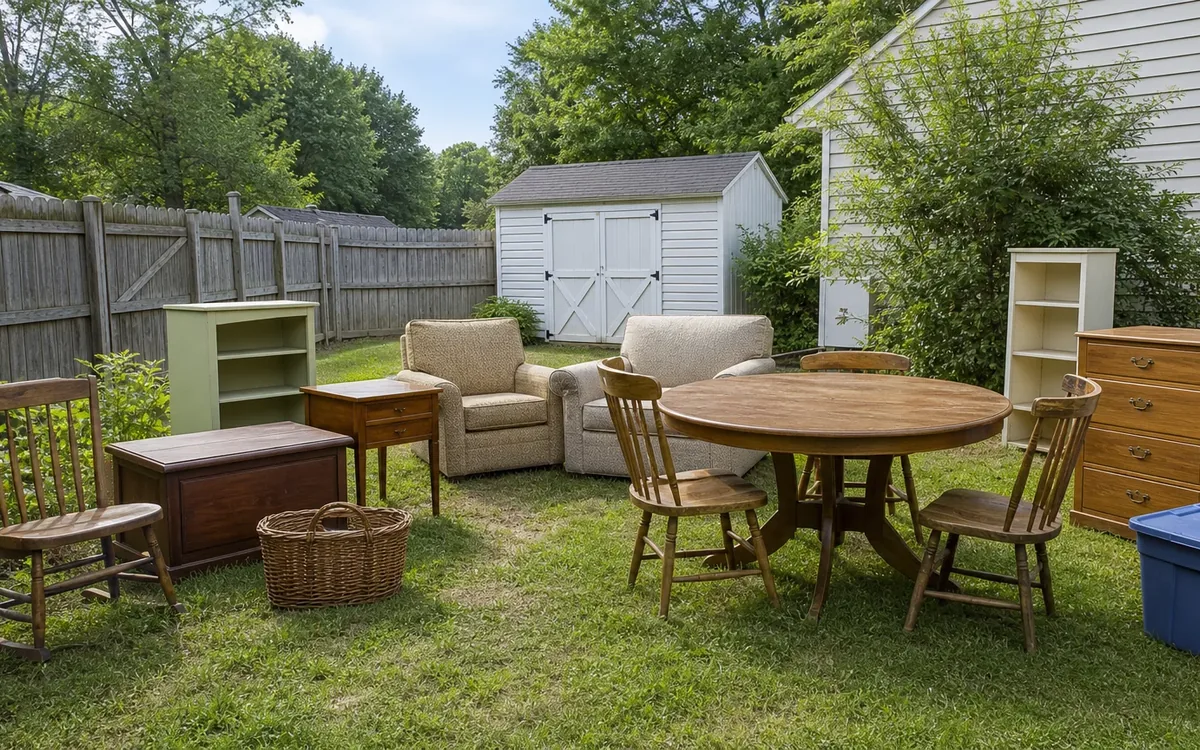
What should join the main estate sort?
The goal is not automatically to move the entire unit into the deceased person’s home. That can create a second overcrowded site, increase handling, and separate belongings from their original labels or context.
Instead, classify contents according to the decisions they need. Useful categories include:
- Estate records: Financial papers, contracts, titles, tax materials, correspondence, and identification-related documents
- Personal and sentimental property: Photographs, letters, family records, keepsakes, and objects named in estate instructions
- Potentially valuable property: Jewelry, art, antiques, collections, specialty equipment, and items whose value is unclear
- Claimed property: Items another person says belong to them, kept aside pending authorization
- Household-use items: Furniture, kitchenware, tools, decor, and supplies that may be retained or distributed
- Sale candidates: Property the authorized decision-maker may consider for an auction, estate sale, dealer, or other sales channel
- Donation or recycling candidates: Items that may be released after approval and provider acceptance
- Waste or restricted material: Damaged goods and materials requiring an approved disposal route
Documents, valuables, and disputed items should be secured separately with a basic custody record showing who removed them and where they went. Potential appraisal items should remain intact and uncleaned unless a qualified appraiser advises otherwise. Removing patina, discarding packaging, or separating a set can affect evaluation.
The household or authorized estate representative can choose the sorting structure and holding location. A practical cleanout or move team may discuss labor, packing sequence, access, loading, and destination labels. An appraiser decides valuation matters. An attorney or court determines disputed authority or ownership. Sales professionals decide what they accept and how they market it.
How do you work within a limited visit window?
Storage access may be constrained by facility hours, helper availability, building rules, or the estate’s own schedule. Organize each visit around one defined result instead of trying to finish every task at once.
A focused sequence has five parts:
- Confirm entry and purpose. Verify that authorized access remains in place and tell everyone whether the visit is for documentation, sorting, or removal.
- Create a safe path. Address only what is needed to reach priority areas without destabilizing stacks.
- Pull decision-sensitive property. Secure records, sentimental items, valuables, and possible appraisal candidates as authorized.
- Label by destination. Mark items for the estate sorting site, approved recipient, sales review, donation review, recycling review, or disposal review.
- Close with a record. Photograph the remaining contents, note what left, identify who transported it, and secure the unit according to facility instructions.
Assign roles before opening the door. One person can document, one can label, and the authorized decision-maker can resolve straightforward questions. Movers or cleanout workers should receive destination instructions rather than being asked to decide who inherits an item or whether it has meaningful value.
If a decision cannot be made quickly, use a clearly marked review area. Do not let that category absorb most of the unit. Record why each item is being held, such as family review, appraisal, ownership question, or missing authorization.
What should not be discarded during the cleanout?
Do not discard property solely because it looks old, damaged, ordinary, or poorly packed. Important records and small valuables are often stored inside desk drawers, luggage, books, toolboxes, coat pockets, and unmarked cartons.
Set aside these items for appropriate review:
- Wills, trusts, deeds, titles, and contracts
- Tax, banking, insurance, pension, and business records
- Keys, access devices, and safe combinations
- Photographs, letters, genealogy, and military records
- Jewelry, coins, stamps, watches, and small collections
- Artwork, signed objects, and specialty equipment
- Digital devices and external storage media
- Firearms, ammunition, medication, and regulated materials
- Items specifically promised, listed, or disputed
- Property that appears to belong to another person
A practical team can flag these categories and stop work when something sensitive appears. The legally responsible person decides whether property may be released. Attorneys advise on legal obligations, appraisers assess value, and qualified disposal providers or authorities determine proper handling of restricted materials.
Digital devices deserve particular care. Physical possession does not establish permission to access accounts or data. Keep devices and their chargers together, record where they were found, and seek appropriate legal or technical guidance before attempting access or erasure.
Connecting the unit to the larger estate cleanout
The storage unit should feed into one coordinated inventory rather than becoming an isolated project. Use the same labels and destination names at the unit, home, and any authorized holding location.
Before transferring items, decide whether each destination is ready. Ask:
- Is there secure space for records and valuables?
- Can the receiving location accommodate furniture?
- Will moving items to the home obstruct home-sale preparation?
- Are appraisal candidates protected from handling?
- Has the recipient agreed to receive the property?
- Has a sale, donation, recycling, or disposal provider accepted the category?
Storage is a household or estate choice made under the facility’s terms. Contractor work, such as repairs or hauling by specialized providers, requires separate scope and approval. Appraisals belong to qualified appraisers. Real-estate agents advise on listing preparation and market presentation. Inspectors assess property conditions within their role. Government agencies and facility operators control applicable compliance decisions.
Clutter Cleaner of South Carolina, based in Mount Pleasant and serving households across South Carolina, may discuss practical estate cleanout, organizing, move management, sale preparation, and related coordination within the confirmed service scope. The company does not replace the estate’s attorney, appraiser, real-estate professional, inspector, storage operator, or public authority.
When should the unit remain open?
Closing a unit too early can force belongings into an unsuitable location or cause a rushed release. Keeping it without a purpose can also complicate the estate. The authorized person should review the rental terms and make a deliberate decision.
Reasons to pause closure may include:
- Appraisal candidates are awaiting professional review
- Ownership or distribution is unresolved
- The home cannot safely receive more contents
- A sales provider has not yet accepted selected property
- Restricted materials need an approved handling route
- Records or inventory work remains incomplete
Before surrendering the unit, confirm that it is empty to the facility’s standard, photograph its condition, remove the lock if directed, return access items, and request written confirmation of closure. The storage operator determines its checkout procedure and any account requirements.
Short FAQ
Can a family member enter if they have the key?
A key provides physical access, not necessarily authorization. Contact the storage facility and confirm its requirements. Direct legal-authority questions to the estate attorney, probate professional, or court as appropriate.
Should everything be brought to the deceased person’s home?
Not automatically. Bring back only items that have an approved purpose and a safe receiving space. Records, appraisal candidates, recipient property, and sale items may need different destinations.
Can a cleanout team decide what is valuable?
A team may flag objects for review and discuss sorting logistics. A qualified appraiser should address valuation. The authorized estate representative decides whether property is retained, sold, donated, or discarded, subject to legal obligations.
What if relatives disagree about an item?
Label it, photograph it, and place it in secure hold status. Do not distribute or discard it. The personal representative and appropriate legal professional should resolve authority and ownership questions.
When is the storage unit finished?
It is ready for closure when authorized decisions are complete, remaining contents have approved destinations, the unit meets facility requirements, and the responsible person has documented the handover.



