

Stop an estate cleanout when moving belongings could expose someone to structural failure, electrical shock, unsafe flooring, contaminated materials, or another immediate danger. In South Carolina homes, suspected structural damage, exposed wiring, and unstable walking surfaces warrant evaluation before belongings are moved. The household can pause access and explain what was observed, but diagnosing the hazard and approving repairs belong to the appropriate qualified professional or authority.
Quick answer: Leave the affected area, keep others out, and avoid touching or moving anything connected to the suspected hazard. If there is fire, a strong gas odor, active sparking, collapse, or immediate danger, get to safety and contact emergency services or the utility as appropriate. Resume affected work only after the responsible professional has evaluated the condition and any required corrective action is complete.
What makes a condition a stop-work hazard?
A stop-work hazard is more than a difficult pile or an inconvenient piece of furniture. It is a condition that makes entry, lifting, sorting, or removal unsafe, or one that cannot be assessed safely by the people doing the cleanout.
A blocked hallway may need an orderly access plan. A blocked hallway with a sagging floor beneath it needs a different response: stop using that route and obtain professional evaluation.
Watch for conditions that change the risk of ordinary tasks:
- A surface shifts, bends, cracks, or feels unstable underfoot.
- A cord, outlet, fixture, or appliance shows damage or signs of overheating.
- A ceiling, wall, stair, or railing appears loose or displaced.
- A container leaks, gives off an unusual odor, or has unreadable contents.
- Opening a room reveals extensive moisture damage, animal waste, or suspected hazardous material.
Do not test a questionable condition by adding weight, pulling harder, or moving the object that conceals it. Uncertainty is a reason to pause, not an invitation to experiment.
For the broader sorting and removal process, the guide to how estate cleanouts work provides useful context. Hazard recognition is a separate decision gate before that work continues.
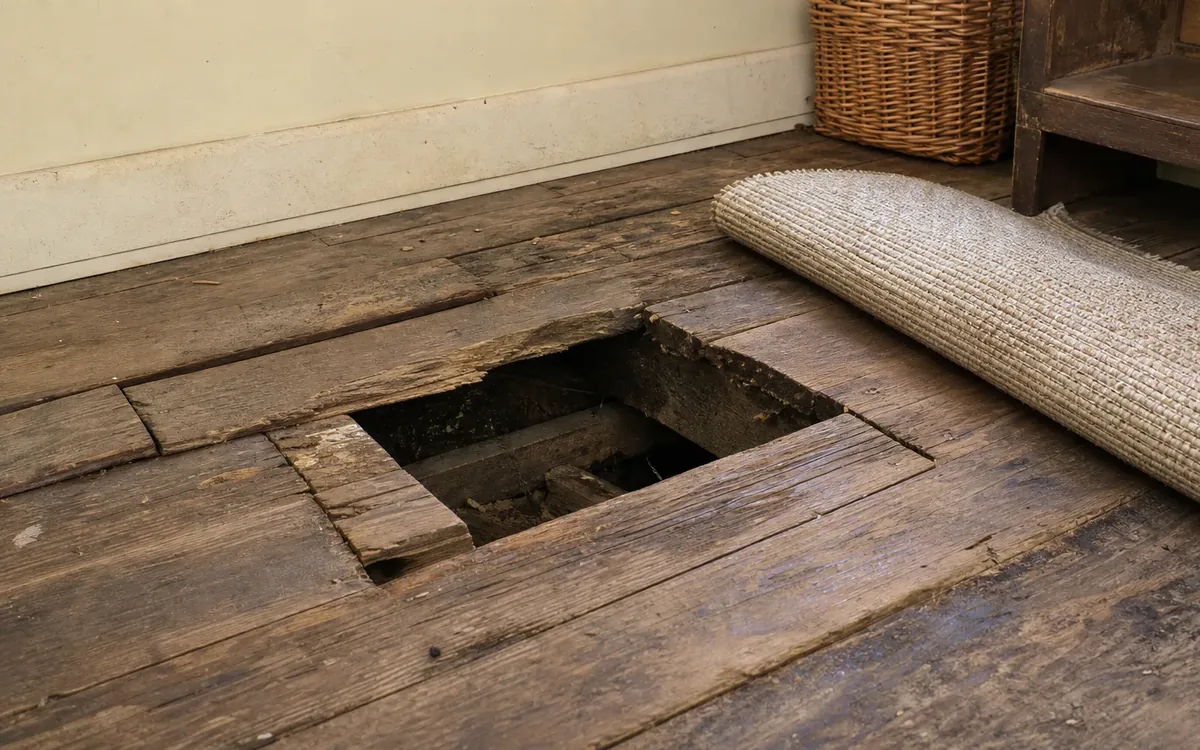
Which structural and flooring warning signs require a pause?
Belongings can hide damaged flooring, weakened stairs, or deteriorated framing. A room that looks accessible from the doorway may not provide a safe route for people carrying boxes or furniture.
Pause access when you notice:
- Floors that sag, bounce unexpectedly, or have soft or broken sections.
- Stair treads that shift, missing supports, or loose handrails.
- Ceiling sections that bow, hang loose, or shed material.
- Walls with visible movement or cracking accompanied by other signs of distress.
- Water-damaged areas around heavy furniture, appliances, or stored stacks.
A crack alone does not establish that a building is unsafe. Equally, a small visible defect does not prove that the surrounding structure can support removal work. The cleanout team should not diagnose structural capacity from appearance.
Do not move a heavy cabinet across a suspect floor to see whether the floor improves without its weight. Removing a load or disturbing adjacent material can change an already uncertain condition.
Keep people away and refer the concern to a qualified building professional, such as a structural engineer or an appropriately qualified contractor. Permits, inspections, and occupancy restrictions, when applicable, remain with the responsible professionals and local authority.
How should exposed wiring or damaged electrical equipment be handled?
Treat exposed conductors, damaged outlets, burned fixtures, and electrical equipment affected by water as reasons to stop nearby work. Do not assume wiring is inactive because a room is dark or an appliance is unplugged.
Estate cleanouts can expose electrical conditions behind furniture or beneath accumulated belongings. Warning signs include:
- Bare wire or damaged insulation.
- Scorching, melting, buzzing, or unusual heat at electrical equipment.
- Broken outlet covers with accessible internal parts.
- Extension cords trapped under heavy objects or visibly damaged.
- Water near outlets, fixtures, electrical panels, or connected appliances.
Do not pull a trapped cord, open a panel, touch a wet appliance, or attempt an improvised repair. A metal furniture frame or damp surface may create an additional contact risk.
If active sparking, smoke, or immediate danger is present, leave and contact emergency services as appropriate. Otherwise, keep the affected area unused and arrange evaluation by a qualified electrician. Power isolation should be handled safely by the appropriate person, not treated as a routine cleanout task.
Clutter Cleaner of South Carolina offers estate cleanout services across South Carolina. A practical cleanout discussion can cover access routes, affected rooms, and revised removal plans. Electrical diagnosis, repair, and approval remain separate professional responsibilities.
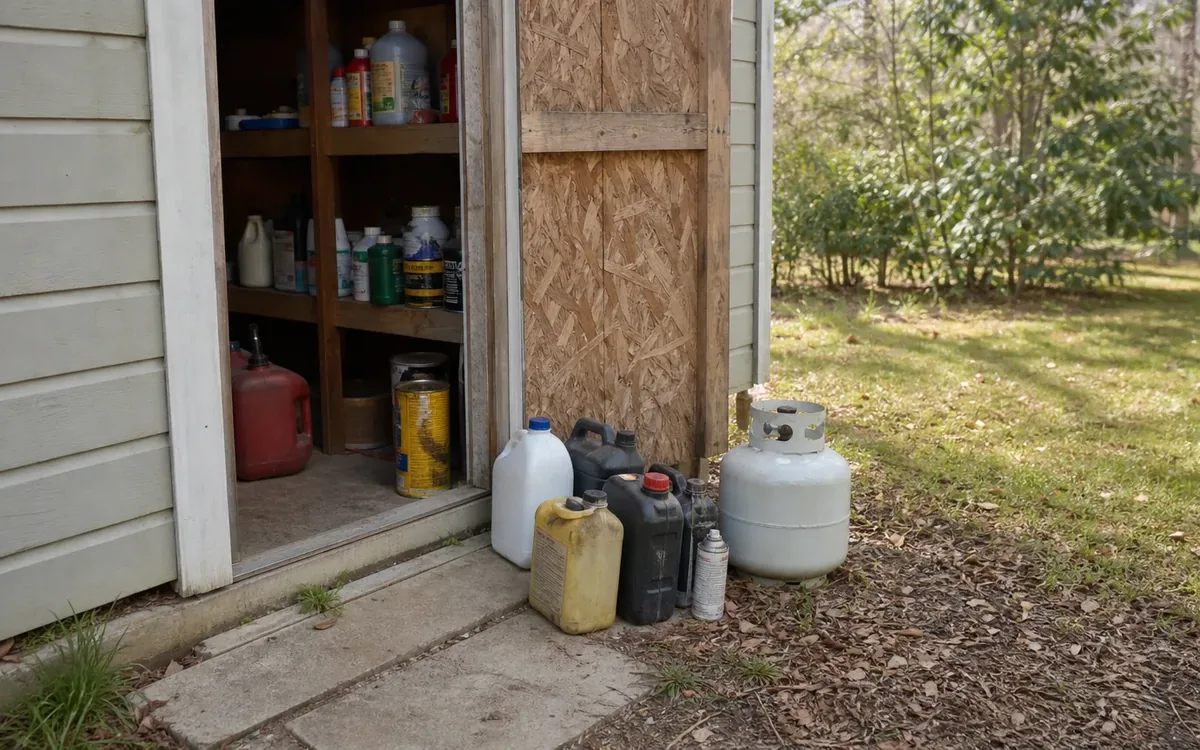
Recognize hazardous materials without trying to identify them yourself
Older finishes, insulation, stored chemicals, and neglected containers can raise concerns that ordinary sorting cannot resolve. Appearance alone cannot reliably establish whether a material contains asbestos, lead, or another hazardous substance.
Pause disturbance when you encounter deteriorating suspect building materials, unidentified powders, leaking chemicals, or containers whose labels cannot be read. Do not sweep, sand, scrape, vacuum, pour, or combine them to make the space easier to clear.
Useful observations can be recorded without handling the material:
- Where it was found and whether access is blocked.
- Whether the container appears damaged or leaking.
- Any label text visible from a safe position.
- Whether nearby belongings appear affected.
Testing, remediation, and regulated disposal belong with suitable separate providers and applicable authorities. The household can arrange those services and decide what belongings it hopes to retain, but it should not direct a cleanout team to bypass required handling rules.
A storage decision is separate too. Moving an uncertain material into a storage unit does not resolve its hazard and may expose other belongings or violate facility requirements. Confirm safe handling before choosing storage or transport.
When do moisture, mold, pests, or sanitation problems change the plan?
A damp box is not the same problem as a room with widespread moisture damage. Stop work when the condition suggests contaminated materials, unsafe air, sewage exposure, extensive animal waste, or concealed building damage.
Avoid pulling apart affected piles simply to find the source. Disturbing them may spread dust, debris, or contamination into previously unaffected rooms.
Examples that call for further evaluation include:
- Standing water near electrical equipment or damaged flooring.
- Strong unexplained odors associated with staining or wet materials.
- Extensive visible mold growth on belongings or building surfaces.
- Sewage backup or heavily soiled animal nesting areas.
- Active pest conditions that make access or handling unsafe.
A qualified remediation, plumbing, pest-control, or other appropriate provider may need to address the underlying issue before cleanout work resumes. Which provider is needed depends on the condition, not simply the amount of clutter.
Avoid declaring every nearby object either salvageable or ruined on sight. The household can identify sentimental priorities, while appropriate specialists advise on safe treatment and handling. An appraiser determines value when an appraisal is needed; a cleanout decision does not substitute for that assessment.
Use a stop-work handoff instead of an improvised fix
A useful pause produces a clear handoff. It should explain what was observed, what activity stopped, and what must be resolved before work resumes.
Keep the report factual. “The stair tread moved when stepped on” is more useful than “the whole staircase is condemned.” The first describes an observation; the second makes a determination that may require professional authority.
A simple hazard note can include:
- Location: The room, doorway, stair, or access route involved.
- Observation: What was visible, heard, smelled, or felt.
- Activity stopped: Entry, lifting, sorting, loading, or another task.
- Access restriction: Which area should remain unused.
- Referral: The professional or authority being contacted.
- Restart question: What condition must be evaluated or corrected?
Photographs can help if they can be taken from a safe location. Do not reenter an unsafe space merely to document it, and do not remove material to get a clearer picture.
Share the note with the household’s authorized decision-maker and anyone coordinating the cleanout. Keep emergency contacts, property-access arrangements, and professional recommendations available to the people who need them.
Decide whether unaffected work can continue
A pause in one room does not automatically establish that the rest of the property is safe. Before continuing elsewhere, consider whether the hazard affects shared access, utilities, air, or the building structure.
For example, an unsafe staircase may cut off access to an entire floor. A suspected contaminant may affect more than the visibly stained area. A concern involving the electrical system may not be limited to one outlet.
Continuing elsewhere is reasonable only when there is a safely separated work area and no unresolved condition that compromises it. When that separation is uncertain, keep the broader work paused pending professional guidance.
A practical team may discuss alternate staging areas, smaller loads, different exits, or a revised room sequence. Those adjustments cannot replace repairs or turn an unsafe route into an acceptable one.
The household may also consider postponing transport or arranging separate storage after safe handling is confirmed. Contractor work, storage terms, and disposal acceptance should be coordinated with their respective providers rather than assumed to be part of the cleanout.
Keep household choices separate from professional determinations
Estate cleanouts involve property, safety, and sometimes disagreements among family members. Clear decision boundaries prevent pressure to keep moving from becoming an unsafe or unauthorized instruction.
The household’s authorized representative can set priorities, identify belongings to preserve, approve changes to the sorting plan, and arrange outside evaluations. Authority to sell, donate, or discard estate property may depend on legal documents or estate administration. Resolve uncertainty with the appropriate legal professional before disposition.
Professional determinations remain separate:
- Building and electrical professionals: Evaluate conditions and perform work within their qualifications.
- Inspectors and authorities: Address applicable inspections, permits, restrictions, and compliance requirements.
- Appraisers: Assess value when a formal valuation is needed.
- Real-estate professionals: Advise on listing strategy and transaction-related questions.
- Legal professionals: Advise on estate authority, ownership disputes, and legal obligations.
Code compliance support does not transfer enforcement or approval authority to a cleanout provider. Likewise, home sale preparation does not establish that a property is safe to occupy or ready to pass an inspection.
Clutter Cleaner of South Carolina is physically located in Mount Pleasant, with Charleston as its primary market and service territory throughout South Carolina. To discuss an estate cleanout and disclose known access concerns, contact (843) 972-7020. Share hazard information before planning belongings removal.
Short FAQ
Should belongings be moved away from a suspected hazard?
Not automatically. Moving them may disturb damaged wiring, weakened flooring, or contaminated material. Leave the area undisturbed until safe handling is established.
Can family members approve work despite a warning sign?
They can make household decisions within their authority, but consent does not remove a physical hazard or replace required professional evaluation.
What should happen before work restarts?
Confirm that the relevant condition has been evaluated, necessary corrective work is complete, and the affected access or task can proceed safely. Communicate any remaining restrictions to everyone involved.



