
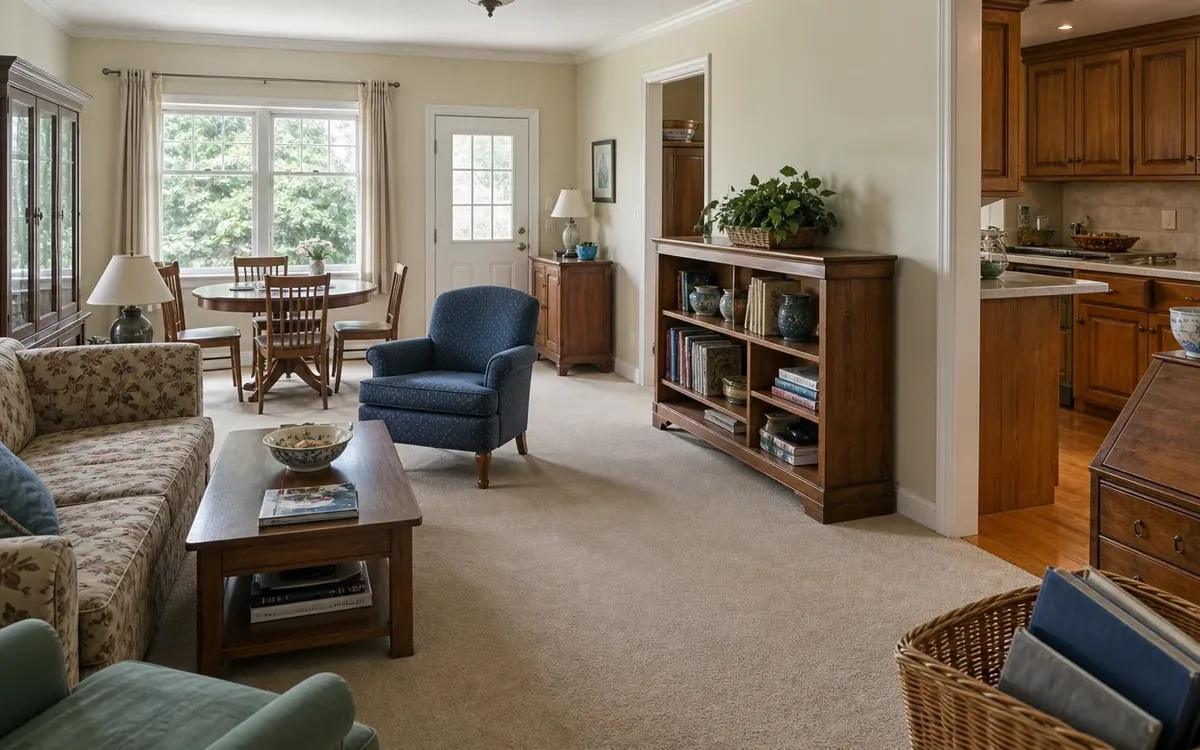
Before anything leaves a South Carolina estate home, inspect the contents room by room for cash, jewelry, keys, and important documents. Check furniture, clothing, books, containers, and overlooked compartments before sorting items into keep, donate, sell, recycle, or discard groups. Record what is found, protect sensitive materials, and let the estate’s legally responsible person decide what may leave the property.
Quick answer: Start with bedrooms and private storage areas, then move through offices, living spaces, the kitchen, utility areas, vehicles, and outdoor buildings. Open every container, inspect pockets and linings, turn book pages, remove drawers when safe, and look beneath removable liners. Place possible valuables and documents in a controlled review area rather than deciding their fate during the search.
This sweep should be separate from the broader cleanout. Families considering professional help can review the statewide estate cleanout service and the guide to how estate cleanouts work before deciding how sorting, removal, or sale preparation should proceed.
Why should the valuables sweep happen before sorting?
Sorting creates movement. Clothing goes into bags, papers enter boxes, furniture shifts, and containers begin to look empty. Once that activity starts, a small envelope of cash or a ring in a coat pocket can easily travel with the wrong category.
A preliminary sweep reduces that risk by giving the household one focused task: identify items that require review before ordinary decisions begin. This is not an appraisal and does not determine ownership. It simply prevents potentially important property from being mixed into larger cleanout streams.
Keep the first pass controlled:
- Pause donations, disposal, recycling, and off-site transport.
- Limit access to people authorized by the responsible family member, personal representative, trustee, or other proper decision-maker.
- Establish one secure review area for finds.
- Use separate containers for jewelry, currency, keys, financial papers, identity records, and unknown items.
- Photograph or log significant finds without exposing account numbers in widely shared messages.
- Avoid cleaning, testing, repairing, or altering objects that might need appraisal.
If authority over the estate is uncertain, the household should pause removal decisions. An attorney, probate court, trustee, personal representative, or other appropriate authority should resolve legal control. A cleanout or move team can discuss physical workflow, but it should not decide inheritance rights or interpret estate documents.
What should be prepared before entering the first room?
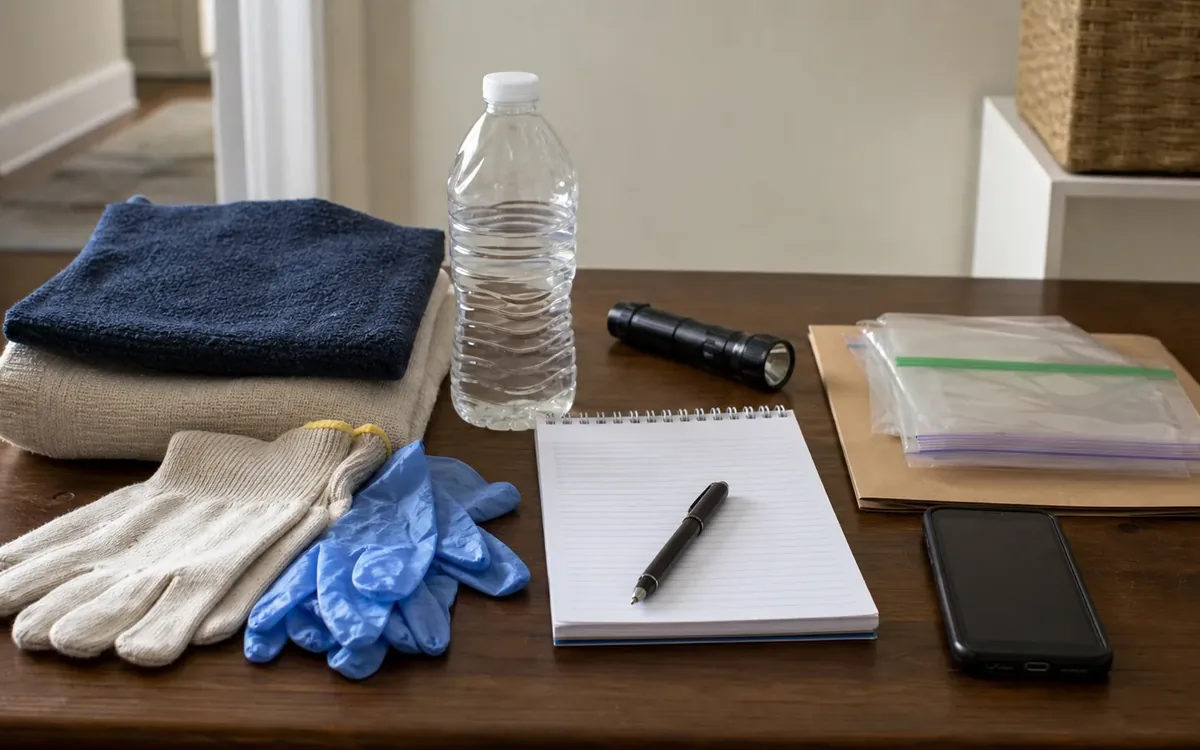
A simple search kit helps prevent loose items from disappearing into new piles. Use supplies that protect contents without implying a final decision.
Prepare these six items:
- Small sealable bags or envelopes for jewelry, coins, keys, and loose cash.
- File boxes or document cases for papers requiring review.
- Labels that identify the room and exact place where an item was found.
- A written or digital inventory controlled by the responsible person.
- A flashlight for deep drawers, dark closets, and furniture cavities.
- Disposable gloves for dusty, damp, sharp, or deteriorated contents.
Choose a review location that is away from exits and general sorting activity. It might be a locking room, cabinet, or container selected by the household. Storage and security arrangements remain household choices or matters for a separate storage or security provider.
Work methodically rather than having several people open unrelated areas at once. Complete one room, mark it as searched, and note any spaces that could not be safely accessed. Do not force locks, enter unstable areas, move unsafe loads, or disturb possible hazards. A qualified locksmith, contractor, inspector, environmental professional, or authority may be needed depending on the issue.
Bedroom sweep: clothing, furniture, and personal storage
Bedrooms often contain the greatest concentration of personal items. Begin with the primary bedroom, but search every bedroom using the same pattern. Avoid assuming that a guest room or child’s former room contains nothing important.
Clothing and linens
Inspect every pocket, including small watch pockets and interior jacket pockets. Feel along hems, waistbands, shoulder pads, cuffs, and sewn linings for unusual thickness. Check shoes and boots to the toe, and lift removable insoles when doing so will not damage them.
Open purses, wallets, luggage, cosmetic cases, hat boxes, eyeglass cases, and garment bags. Shake out folded sheets and towels over a clear surface. Examine pillowcases, spare bedding, blankets, and zipped protective covers.
Do not send clothing for donation until this inspection is complete. Keep found identification, bank cards, keys, cash, and personal papers out of ordinary textile bags.
Dressers, nightstands, and beds
Remove dresser drawers when they are designed to come out safely. Look underneath each drawer, behind the drawer cavity, and beneath liners. Check taped envelopes, false-looking bottoms, and items tucked behind the furniture.
For nightstands, inspect medication boxes, tissue boxes, books, clocks, lamps with compartments, and miscellaneous containers. Look between the mattress and foundation, around the bed frame, beneath the bed, and inside accessible storage bases.
Do not cut upholstery or dismantle furniture based only on suspicion. The responsible person can decide whether a furniture specialist, appraiser, or other qualified provider should examine a piece.
Closets and private containers
Search shelf corners, storage bins, lockboxes, old gift boxes, jewelry boxes, and luggage. Open empty-looking packages and check beneath trays. Match loose keys to labeled containers only when this can be done without forcing a lock.
A locked safe should stay in place until the person with authority chooses a lawful access method. A cleanout team may discuss how to isolate or physically handle it, but safe opening, ownership, and contents are separate decisions.
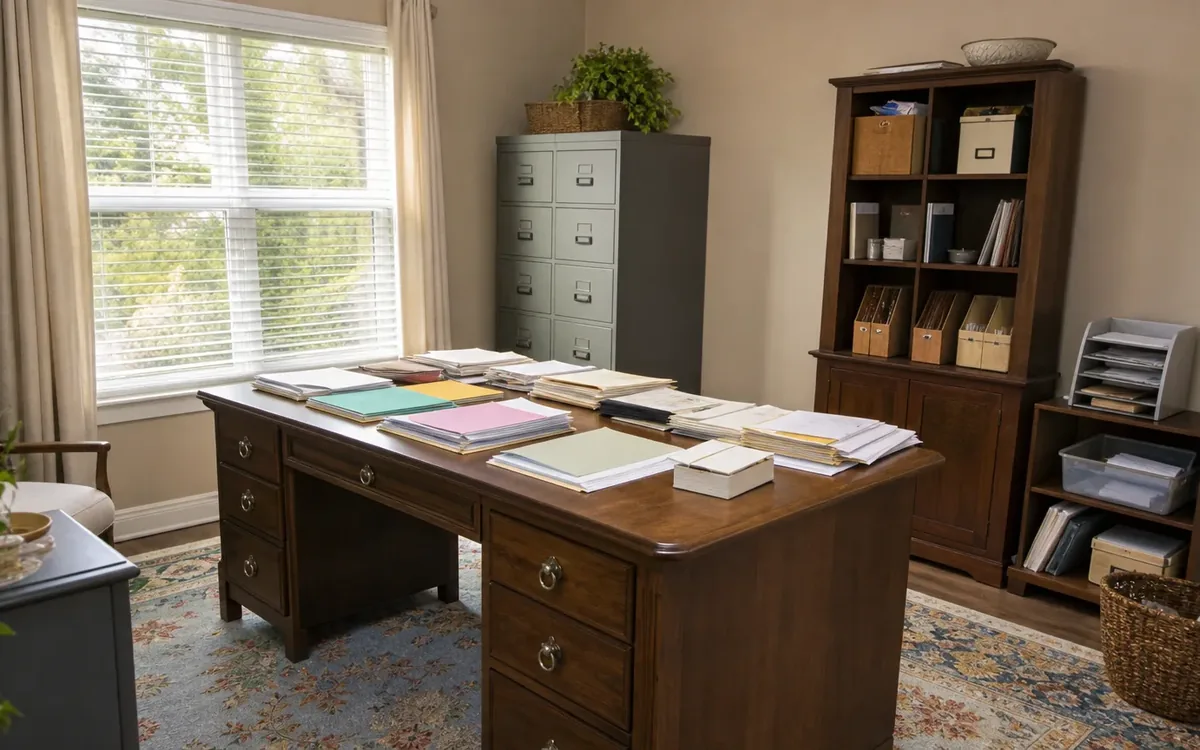
Office and paper sweep: records hidden in plain sight
An office may hold essential records, but documents also appear in recipes, calendars, magazines, and ordinary mail. Do not judge importance solely by the folder label or the age of the paper.
Check desks one drawer at a time. Remove loose contents, inspect underneath organizers, and look behind drawers when safely accessible. Search file cabinets, briefcases, printer trays, scanner beds, shredding bins, bulletin boards, and boxes of unopened mail.
Review books page by page with special attention to Bibles, dictionaries, journals, address books, photo albums, and frequently handled reference books. Cash, certificates, handwritten instructions, and keys may be used as bookmarks. Also inspect envelopes taped inside covers or slipped beneath removable jackets.
Set aside papers involving:
- Wills, trusts, amendments, and funeral instructions
- Deeds, titles, surveys, and property records
- Tax returns and supporting records
- Bank, investment, pension, and insurance information
- Birth, marriage, death, citizenship, and military records
- Business ownership or partnership documents
- Loan records, recurring bills, and safe-deposit information
- Password lists, recovery codes, and digital account instructions
- Appraisals, receipts, and provenance associated with valuable objects
Finding a paper does not establish whether it is current, enforceable, or legally controlling. Estate attorneys, financial institutions, courts, tax professionals, insurers, and relevant agencies make decisions within their respective roles. The household should avoid writing on original documents, removing staples, or sharing sensitive details unnecessarily.
Living room and dining room: books, upholstery, and display pieces
Shared rooms can contain objects moved from more private spaces. Apply the same careful search even when the room appears decorative or rarely used.
Inspect books, magazines, board games, record sleeves, photograph boxes, and framed art. Check the backs of frames without damaging sealed backing. Look inside decorative tins, vases, figurines with removable bases, sewing baskets, music benches, and empty-looking gift boxes.
For sofas and chairs, remove loose cushions and inspect seams, crevices, and the space beneath cushions. Use a flashlight under the furniture. Do not reach blindly into mechanisms, exposed springs, or reclining hardware.
Search dining-room sideboards, china cabinets, bar cabinets, silver chests, serving trays, and table-linen drawers. Flatware may be silver, silver plate, or another material, but appearance alone is not enough to decide value. Keep associated receipts, cases, labels, and paperwork with the object for a qualified appraiser or appropriate sale professional to review.
A practical cleanout team may discuss how to keep identified items separate and how remaining contents could be sorted. An appraiser determines appraised value. An auctioneer, estate-sale provider, dealer, or buyer makes separate sale-related assessments under the arrangement chosen by the responsible person.
Kitchen, bathroom, and utility areas: unlikely does not mean empty
People sometimes choose ordinary containers because they do not look valuable. Search these rooms carefully, but discard expired food, medication, or household chemicals only after authorized review and in accordance with applicable disposal requirements.
In the kitchen, inspect:
- Canisters, cookie tins, coffee containers, and recipe boxes
- Freezer bags, foil packages, and containers that feel unexpectedly heavy
- The space under removable drawer liners
- Rarely used cookware and serving pieces
- Appliance manuals and warranty folders
- Junk drawers, key bowls, and magnetic holders
- Boxes stored above cabinets or at the back of a pantry
In bathrooms, check cosmetic bags, toiletry cases, medicine cabinets, tissue boxes, linen shelves, and the pockets of robes. Keep medications separate from ordinary trash until the household selects a lawful disposal option. Do not flush medications unless current official guidance specifically permits it.
Laundry rooms and utility areas may contain keys, coins, receipts, jars, sewing supplies, and containers moved out of living spaces. Inspect coat pockets before laundering or donation. Look through sewing tins because they may contain rings, watches, coins, or small family keepsakes mixed with notions.
Hazardous materials, sharps, chemicals, fuel, and unknown substances require an appropriate disposal or environmental resource. A cleanout plan should keep these decisions distinct from ordinary household removal.
Garages, attics, vehicles, and outdoor storage
Peripheral storage areas often contain unmarked boxes and layers of family history. They may also present heat, structural, pest, mold, electrical, or chemical hazards. The household should decide whether a qualified inspector, contractor, remediation provider, or other specialist must evaluate access before anyone searches.
If the area is safe to enter, inspect toolboxes, fishing-tackle boxes, old coolers, trunks, holiday decorations, workshop drawers, and containers labeled with vague terms such as “miscellaneous.” Open nested containers and check beneath removable trays.
Search vehicles only with proper authority. Examine the glove compartment, console, door pockets, seat-back pockets, trunk, spare-tire area, and emergency kits. Set aside titles, registrations, insurance records, garage remotes, spare keys, and access cards.
Do not assume a locked trunk, firearm case, cabinet, or storage building may be opened by any family member. Firearms and ammunition require secure handling and compliance with applicable law. An attorney, law-enforcement agency, licensed dealer, or other appropriate authority can address legal questions. A cleanout team should not determine possession or transfer rights.
How should found valuables and documents be controlled?
Use a clear chain of handling that the responsible person approves. The goal is to preserve context and prevent casual access, not to make final ownership or value decisions during the search.
For each significant find, record:
- A neutral description of the item
- The room and precise location
- The date it was found
- The name of the person who found it
- The name of the person who received it
- Its new secure location
- Any related container, receipt, or document
Count currency privately with an authorized witness if the responsible person’s process calls for it. Avoid posting photographs or amounts in group chats. Do not combine jewelry from different rooms before labeling it, since location may help identify ownership or related records.
Digital devices deserve similar control. Phones, computers, external drives, memory cards, and password notebooks may contain financial or personal information. Do not reset, sell, donate, or recycle them until the authorized person has addressed access, preservation, privacy, and account closure. A qualified technology or data-destruction provider may be appropriate.
What can the household decide, and what belongs to a professional?
The authorized household decision-maker can establish the search order, select the secure review area, choose who may participate, and decide which items need further evaluation. That person can also select separate providers for storage, appraisal, sale, legal advice, repairs, inspection, disposal, or real-estate work.
A practical cleanout or move team may discuss:
- Room sequencing and labeling
- Separation of reviewed and unreviewed contents
- Physical sorting categories
- Access limitations and handling concerns
- Removal planning after authorization
- Coordination points selected by the responsible person
Other decisions remain with the relevant professional or authority:
- Attorneys and courts address probate, authority, ownership disputes, and document interpretation.
- Appraisers assess value within their qualifications.
- Real-estate professionals advise on listing and market preparation within their roles.
- Inspectors and contractors evaluate conditions, repairs, and safe access.
- Government agencies and qualified compliance professionals address applicable rules.
- Financial institutions, insurers, and agencies control their account and claim procedures.
- Disposal facilities or specialized providers determine what they can lawfully accept.
Clutter Cleaner of South Carolina, physically located in Mount Pleasant and serving households statewide, can be contacted at (843) 972-7020 to discuss an estate cleanout’s practical scope. That discussion should follow, not replace, the household’s authority checks and valuables sweep.
Final pass before any item leaves
After every room has been searched, perform a final visual pass along the route items will take out of the home. Confirm that no unreviewed bags, drawers, cabinets, vehicles, or outdoor areas have entered the removal stream.
Use these five checks:
- Confirm that each room is marked searched, restricted, or awaiting specialist access.
- Verify that valuables, documents, keys, and devices are in the approved review area.
- Recheck all donation and discard containers for loose papers, envelopes, and small objects.
- Match labeled keys with the responsible person’s key inventory without forcing locks.
- Obtain authorization before removal, sale activity, recycling, donation, or disposal begins.
A second set of eyes can be useful, especially for books, clothing, and paper-heavy rooms. The second review should follow the same pattern rather than becoming a hurried general scan.
Once the sweep is complete, the responsible person can move into broader sorting and cleanout planning. The guide on the best way to clean out an estate explains how to structure that next stage without mixing it into the valuables search.
Short FAQ
Should every book be checked?
Yes. Fan pages, covers, dust jackets, and page sections can hold currency, certificates, notes, photographs, and keys. Keep potentially valuable books intact for appraisal rather than removing pages or attempting repairs.
What if jewelry looks like costume jewelry?
Set it aside if value is uncertain. Marks, construction, stones, age, condition, and provenance may matter. A qualified appraiser or appropriate jewelry professional should assess it rather than relying on appearance alone.
Can old documents be shredded after scanning?
Not automatically. Scanning does not establish that an original may legally or practically be destroyed. The responsible person should consult the relevant attorney, accountant, institution, agency, or records professional before authorizing destruction.
What should happen when a key has no obvious lock?
Label it with the location where it was found and keep it with the key inventory. It may belong to a safe-deposit box, storage unit, vehicle, cabinet, outbuilding, or property no longer at the home. Do not discard unmatched keys during the first cleanout pass.
Should furniture be dismantled to look for hidden property?
Only when the authorized person approves and the work can be done safely. Avoid cutting fabric or damaging antiques. A furniture specialist, appraiser, locksmith, or contractor may be more appropriate when access requires alteration.



