
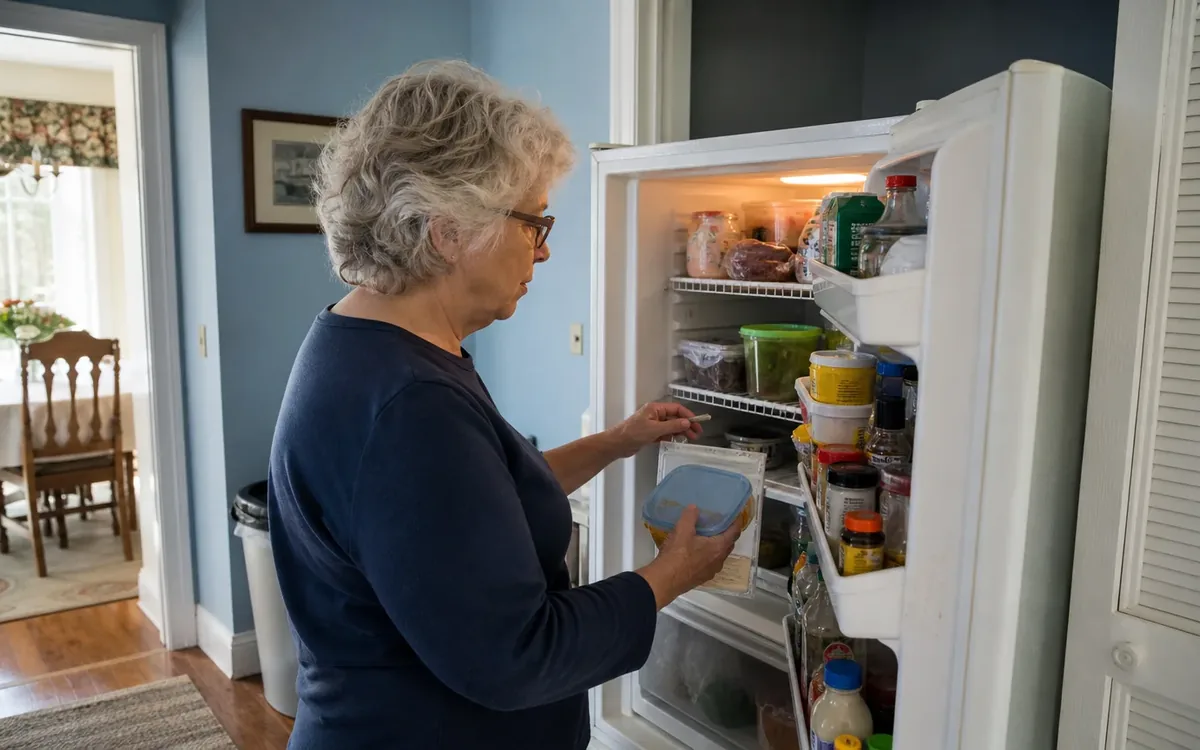
Refrigerators, freezers, and stored food should be addressed early in an estate cleanout, but no one should open an appliance until its power status, physical condition, and surrounding area have been checked. The household can authorize disposal and decide whether an appliance should be kept, sold, donated, or removed. A practical cleanout or move team may discuss sorting and removal logistics, while an electrician, appliance technician, insurer, appraiser, real-estate professional, or public authority must handle decisions within their expertise.
Quick answer: Confirm who has authority over the estate, inspect the area without opening the doors, determine whether electricity is on, photograph the appliance and visible conditions, and identify any leaks or strong odors. Then document the contents, separate food decisions from appliance decisions, contain waste, and refer electrical faults, contamination, property damage, valuation, and compliance questions to the appropriate professional.
South Carolina heat can make an uncertain power history especially important. A refrigerator that appears intact may contain spoiled food, liquids, broken containers, pests, or pressure from decomposition. Treat an unknown appliance as a condition to assess, not simply another cabinet to empty.
What should be checked before opening a refrigerator or freezer?
Start with the room and appliance exterior. The first goal is to avoid spreading liquids, odors, pests, or contaminated material through the home.
Check these six points:
- Authority: Confirm who may make decisions for the estate. A family member’s access to the home does not necessarily establish authority to discard property.
- Electricity: Determine whether the home has power and whether the appliance appears connected. Do not experiment with damaged cords, wet outlets, or electrical panels.
- Floor conditions: Look for pooled water, warped flooring, staining, soft materials, or slippery residue near the appliance.
- Exterior condition: Note rust, bulging doors, damaged seals, insects, residue, or an unusually strong odor.
- Access route: Make sure the path to an exterior door is clear before food, shelves, or the appliance itself is moved.
- Decision status: Find out whether the refrigerator or freezer is being retained, evaluated, transferred with the property, or removed.
If water is near a cord or outlet, stay clear. An electrician or other qualified professional should assess the electrical issue. If a leak may involve plumbing, refrigerant, sewage, or another building system, the relevant contractor should determine the source and repair needs.
Families planning the wider project can review Clutter Cleaner of South Carolina’s estate cleanout service overview and the guide to how estate cleanouts work. These resources help place food and appliance decisions within the broader sorting and property-preparation process.
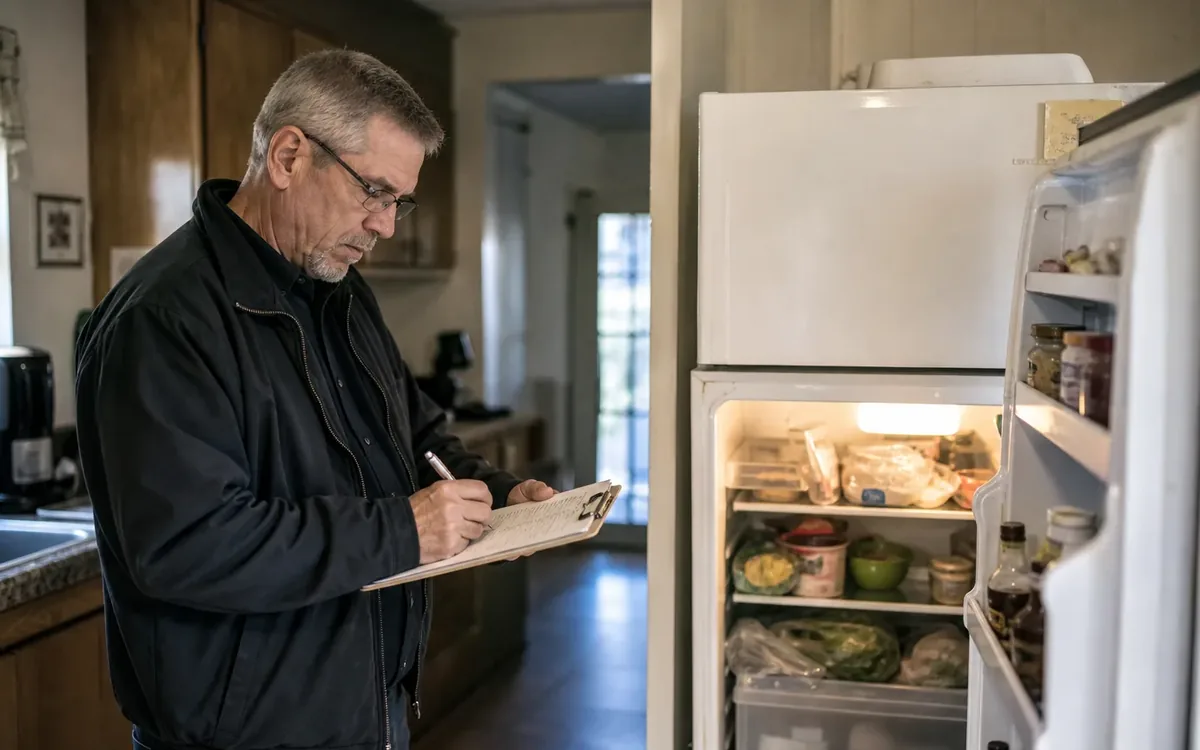
Confirm authority and document the starting condition
Stored food may have little resale value, but discarding it can still create disagreements. The refrigerator itself may belong to the estate, a tenant, an occupant, or a buyer under a property agreement. Do not assume it is part of the house or automatically available for removal.
The authorized household representative can establish a simple documentation record before anything changes:
- Photograph the front, sides, controls, cord area, and surrounding floor.
- Record whether interior lights, displays, or appliance sounds are present without treating those signs as proof of safe temperatures.
- Note visible leaks, odors, pests, rust, mold-like growth, or damaged seals.
- Photograph contents by shelf or compartment after the appliance is safely opened.
- Set aside documents, medication, keys, cash, jewelry, or other nonfood items found inside.
- Record the household’s decision for both the contents and the appliance.
Documentation is not a formal appraisal, inspection, or contamination assessment. An appraiser determines value when a qualified valuation is needed. A home inspector, appliance technician, electrician, environmental specialist, insurer, or other responsible professional evaluates issues within their scope.
A cleanout or move team may discuss practical access, sorting order, packaging, and removal constraints. The team should not decide estate authority, ownership, food safety, insurance coverage, or whether damaged building materials comply with applicable requirements.
How do you decide whether stored food can be kept?
The safest practical rule is not to judge food by appearance or smell alone. Unknown power history, uncertain temperatures, open packaging, leakage, pests, and damaged seals can all affect the decision.
The household may choose to discard food when its history cannot be verified. If anyone wants to preserve or consume questionable food, food-safety guidance should come from an appropriate public-health or food-safety authority, not from a cleanout crew.
Sort contents into clearly separated groups:
- Unopened shelf-stable goods: Hold for an authorized household decision after checking condition and dates.
- Refrigerated or frozen food with a verified history: Keep only if the household is satisfied that applicable food-safety guidance has been met.
- Food with an unknown temperature history: Isolate it while the authorized person decides whether to discard it.
- Leaking, swollen, broken, pest-damaged, or heavily soiled packages: Contain them to prevent contact with other belongings.
- Medication or temperature-sensitive personal items: Separate them from food and refer use or disposal questions to a pharmacist or appropriate authority.
- Items with financial or sentimental significance: Document and hold them for the estate representative.
Donation is a separate choice. A receiving organization sets its own acceptance standards. The household should contact it before transporting food, and no cleanout provider should promise that a pantry or charity will accept particular items.
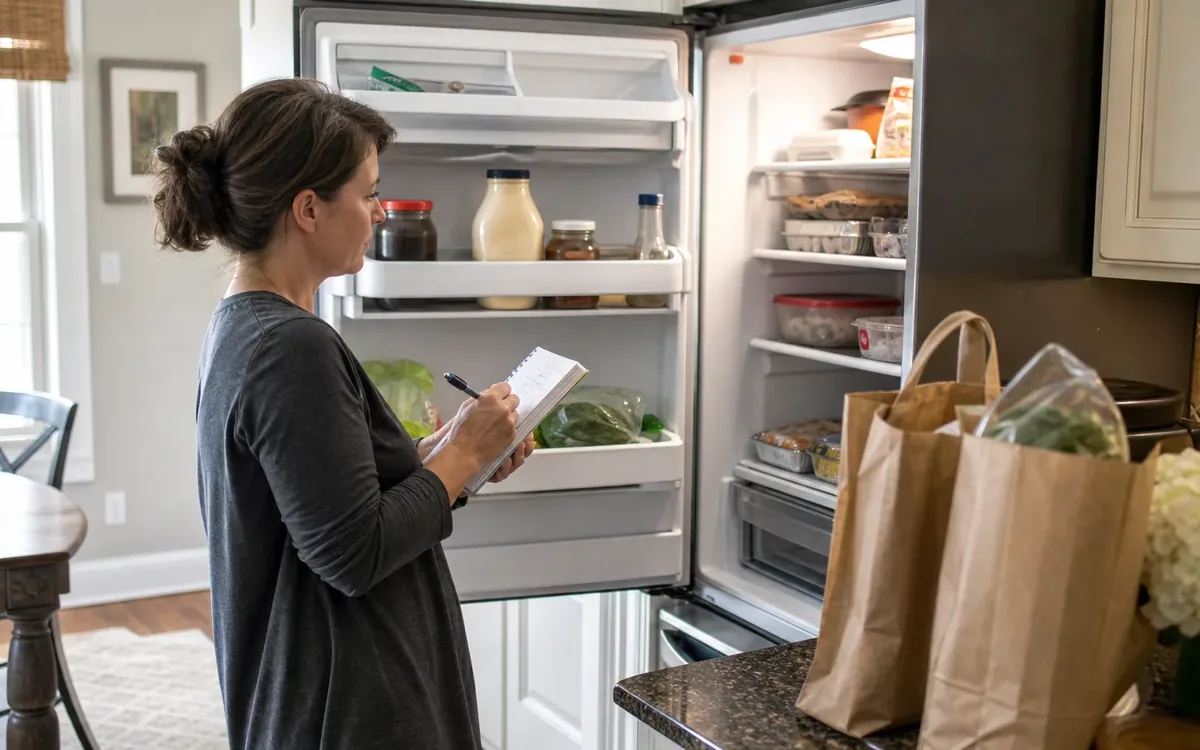
Separate the food plan from the appliance plan
Emptying an appliance and deciding its future are two different tasks. Keeping those decisions separate prevents a hurried food cleanout from becoming an unauthorized appliance removal.
For the contents, the household decides what may be retained, transferred, donated if accepted, or discarded. A practical team may discuss containers, staging space, floor protection, and the order in which material leaves the room.
For the appliance, possible household choices include:
- Leave it in place for continued household use.
- Retain it for a beneficiary, subject to estate authority.
- Ask an appliance technician to assess operation or repair needs.
- Seek an appraisal if credible value is relevant.
- Offer it for sale or donation, subject to the recipient’s conditions.
- Arrange removal through an appropriate appliance or waste provider.
- Confirm with a real-estate professional whether it is included in a sale agreement.
An appraiser, not a cleanout team, determines a formal value. A real-estate agent or attorney may explain how an appliance is treated in a transaction, but contractual and legal interpretations stay with the responsible professional. A disposal facility or local authority determines its acceptance rules, preparation requirements, and any restrictions.
Do not cut refrigerant lines, remove components, or dismantle a cooling system as part of ordinary sorting. Refrigerant handling and technical decommissioning belong with qualified providers operating under applicable requirements.
What if the power status is unknown?
Unknown power status calls for caution, especially during hot South Carolina weather. Heat can accelerate odor and decomposition, but the outside temperature does not reveal how long food has been warm or whether it is safe.
Do not repeatedly open the doors to investigate. First, ask the authorized representative, utility account holder, property manager, or other responsible party whether service is active and whether any outage is known. Utility access and account changes must be handled by the account holder or another authorized person.
Several warning signs justify pausing work:
- Water or residue near electrical connections
- A damaged plug, cord, outlet, or breaker area
- Buzzing, sparking, smoke, or a burning smell
- A door that appears swollen or under pressure
- Heavy insect activity or animal contamination
- Extensive leakage beneath flooring or into walls
- Strong fumes that cause eye, throat, or breathing irritation
Leave the immediate area if conditions appear dangerous. Emergency hazards belong with emergency services or the appropriate public authority. Electrical faults belong with an electrician. Appliance defects belong with a qualified technician. Suspected structural, environmental, or biological contamination should be evaluated by the relevant specialist.
A cleanout team may help revise the work sequence after the responsible professional has addressed the hazard. It should not energize uncertain systems or certify that the area is safe.
Contain spoiled food without spreading the problem
Once the authorized person has approved disposal and the area is safe to enter, organize the work around containment. Avoid carrying loose, leaking packages through furnished rooms.
Use a controlled sequence:
- Protect the nearby route with suitable floor covering while keeping exits clear.
- Set sturdy, closable containers near the appliance without blocking access.
- Remove intact items separately from leaking or broken packages.
- Place liquids and heavily soiled material in secondary containment.
- Keep glass, sharp metal, and broken shelves apart from soft waste bags.
- Wipe exterior drips before moving each container through the home.
- Follow the receiving disposal provider’s rules for food waste and appliance handling.
Personal protective equipment should match the condition. Basic gloves are not a substitute for professional assessment when there are strong fumes, widespread contamination, sewage, unknown chemicals, extensive mold-like growth, or significant pest waste.
Avoid mixing household chemicals with food residue. Do not improvise chemical treatments inside an appliance, particularly in an enclosed room. Product labels and qualified remediation guidance should govern cleaning materials and methods.
Handle leaks, odors, pests, and damaged surfaces separately
A refrigerator leak can affect more than the appliance. Liquids may travel beneath cabinets, flooring, baseboards, or adjacent rooms. Removing food does not establish that the building materials are dry, clean, or repairable.
Divide the response by responsibility:
- Household or estate representative: Authorizes access, disposal, contractor contact, and spending.
- Cleanout or move team: May discuss contents sorting, pathways, containment, and removal logistics.
- Appliance technician: Assesses appliance operation, components, and repair feasibility.
- Electrician or plumber: Addresses relevant utility faults or connections.
- Pest professional: Evaluates and treats an infestation within that provider’s scope.
- Inspector or specialized contractor: Assesses affected materials, moisture, or repair needs.
- Insurer: Determines whether a claim is covered and what documentation it requires.
- Public authority or disposal facility: Establishes applicable acceptance or compliance requirements.
Odor alone does not show where damage ends. Likewise, surface cleaning does not prove that concealed materials are unaffected. If the property will be listed for sale, the estate should ask its real-estate and legal professionals about relevant disclosures, inspections, repairs, and contract obligations.
Build the appliance decision into the estate workflow
Food and cold-storage appliances can block progress in kitchens, garages, utility rooms, and outbuildings. Address them as a defined project stream rather than an afterthought.
A useful estate record can include:
- Appliance location and identifying details
- Known owner or decision-maker
- Power status and who verified it
- Exterior and interior condition photographs
- Contents decision and authorization
- Retain, evaluate, sell, donate, or remove decision
- Technician, appraiser, contractor, or disposal referral if needed
- Property damage noted nearby
- Final destination or transfer record
Storage is a household choice arranged with a separate storage provider when needed. Contractor repairs are separate from cleanout decisions. Formal appraisals remain with qualified appraisers. Real-estate terms stay with the appropriate agent, attorney, buyer, seller, or other responsible party. Inspection findings and code or disposal compliance determinations remain with the applicable professional or authority.
Clutter Cleaner of South Carolina has a physical business location in Mount Pleasant and serves households across South Carolina, with Charleston as its primary market. The company can be contacted at (843) 972-7020 to discuss estate cleanout needs and the practical boundaries of a project. Availability and project scope should be confirmed directly.
Short FAQ
Should an unplugged refrigerator be opened immediately?
No. Check for leakage, pests, fumes, damaged wiring, and a safe access route first. Confirm authority to handle the contents before opening it.
Can frozen food be donated?
The receiving organization decides what it accepts. Contact it first, disclose the storage history accurately, and follow its standards. Unknown temperature history should not be minimized.
Who decides whether the appliance has value?
The household may decide whether to seek a valuation. A qualified appraiser determines formal value. A technician can comment on condition or repair needs within the technician’s scope, but that is not necessarily an appraisal.
Can a cleanout team say the food is safe?
No. Food-safety decisions should follow guidance from the appropriate food-safety or public-health authority. A cleanout team may help separate, contain, and remove items after authorization.
What happens if spoiled food damaged the floor?
Document the condition and stop if there is an electrical or other safety concern. The household can contact the insurer and appropriate inspection or repair professionals. Those parties determine coverage, damage, and repair requirements.
Should refrigerator doors be removed before disposal?
Preparation rules vary by receiving facility and applicable authority. Confirm requirements before altering the appliance, and leave refrigerant or technical work to qualified providers.



