If you need more time for a property cleanup in South Carolina, contact the office named on your notice and ask whether an extension process is available. Prepare a short summary of completed work, remaining conditions, and a realistic completion proposal. Asking does not change the deadline or mean an extension has been approved.
Quick answer: Use the notice to identify the correct contact, ask how requests must be submitted, and explain your progress with dated photos and a task-based plan. Request written confirmation of any decision. Until the responsible office confirms a change, plan around the existing deadline and any other instructions in the notice.
The strongest request is not simply “we need more time.” It explains what has changed, what remains, and what you can reasonably accomplish. This guide helps you organize that explanation without assuming the office can or will grant an extension.
What should you check before asking for more time?
Read the full notice, including attachments, before drafting your request. A cleanup concern, required response, inspection appointment, and hearing may involve different instructions. Do not assume changing one date changes everything else.
Pull these details into a working note:
- Property address and any case or reference number.
- Name of the issuing office and listed contact person.
- Conditions described in the notice.
- Required actions and stated deadlines.
- Submission methods or response instructions.
- Any inspection, hearing, or appeal information.
If the wording is unclear, ask the issuing office to explain what it expects for the cleanup. Questions about legal obligations, appeal rights, ownership authority, or possible consequences belong with the responsible authority or a qualified attorney.
For Charleston owners and owners elsewhere in South Carolina, the useful starting point is the office named on the actual notice. A general city contact or another department may not handle your case.
Keep the envelope, notice, attachments, and previous messages together. These records help you describe the issue consistently and avoid relying on memory.

Ask about the process before building the request
A brief initial call or email can establish whether an extension request is an available option and how to submit it. Avoid assuming that a phone conversation alone creates a formal request.
Useful questions include:
- “Does this notice allow a request for additional cleanup time?”
- “Who reviews that request?”
- “Is there a required form or submission method?”
- “What supporting information should I provide?”
- “How will I receive the decision?”
- “Does making a request affect any existing requirement?”
Record the date, the person’s name, and the instructions you receive. If you leave a voicemail, keep a copy of your message notes, but do not treat the unanswered message as approval.
Clutter Cleaner of South Carolina offers code compliance support for property cleanup planning across South Carolina. A practical cleanup discussion can help organize remaining work, but the issuing office decides whether a request is permitted and whether a deadline changes.
If the notice involves a hearing or other formal process, ask specifically how a cleanup proposal relates to that process. Obtain professional legal guidance when needed rather than treating a work plan as a substitute for a required response.
Build a progress summary around the notice
A progress summary should let the reviewer connect your work to the conditions identified in the notice. Organize it by those conditions rather than by how busy the household has been.
For each condition, record:
- What the notice identifies.
- What work has been completed.
- What remains unfinished.
- What evidence supports the status.
- What dependency affects the next step.
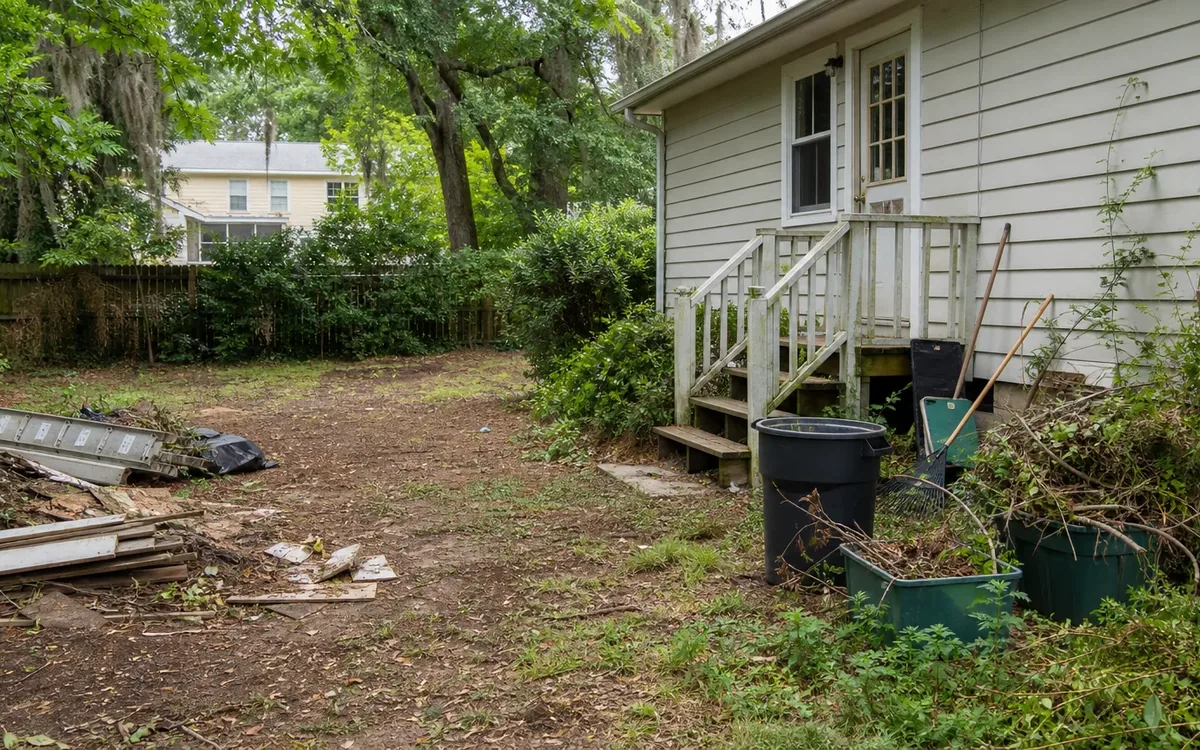
For example, “We have worked hard in the yard” is less useful than “The loose household items beside the rear entrance have been sorted; the retained items are indoors, and the remaining material is awaiting a confirmed removal arrangement.” Use that wording only if it accurately describes your situation.
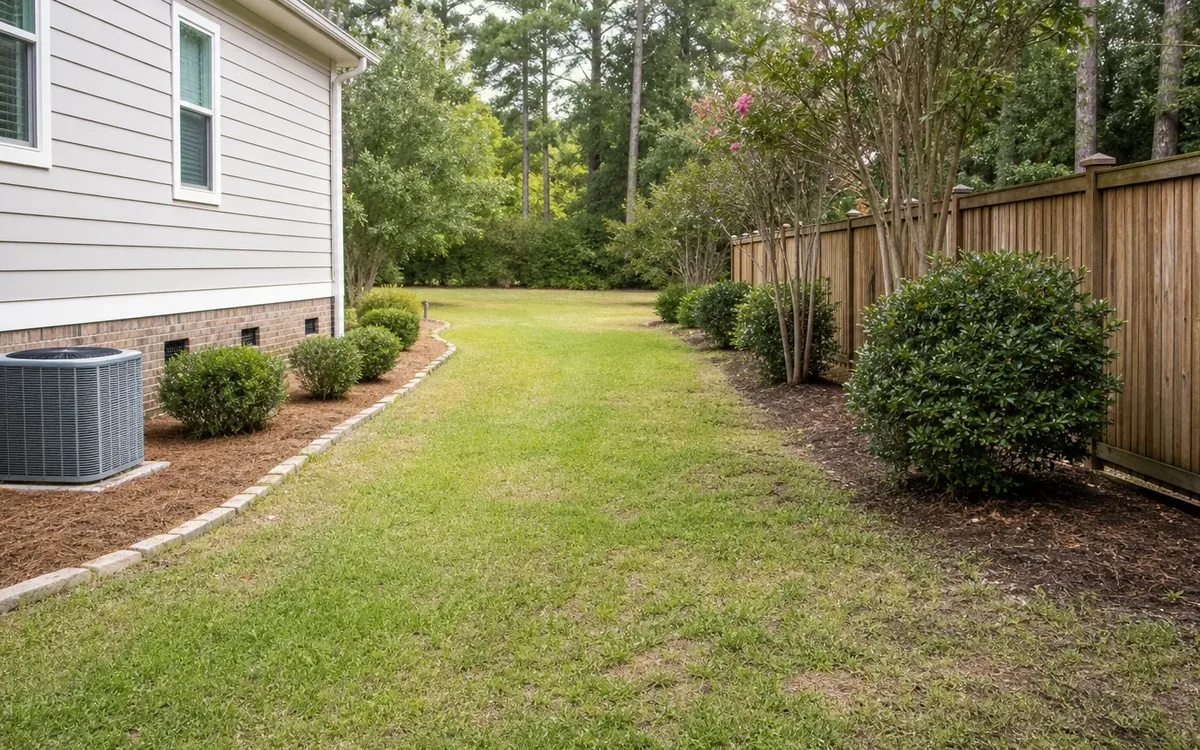
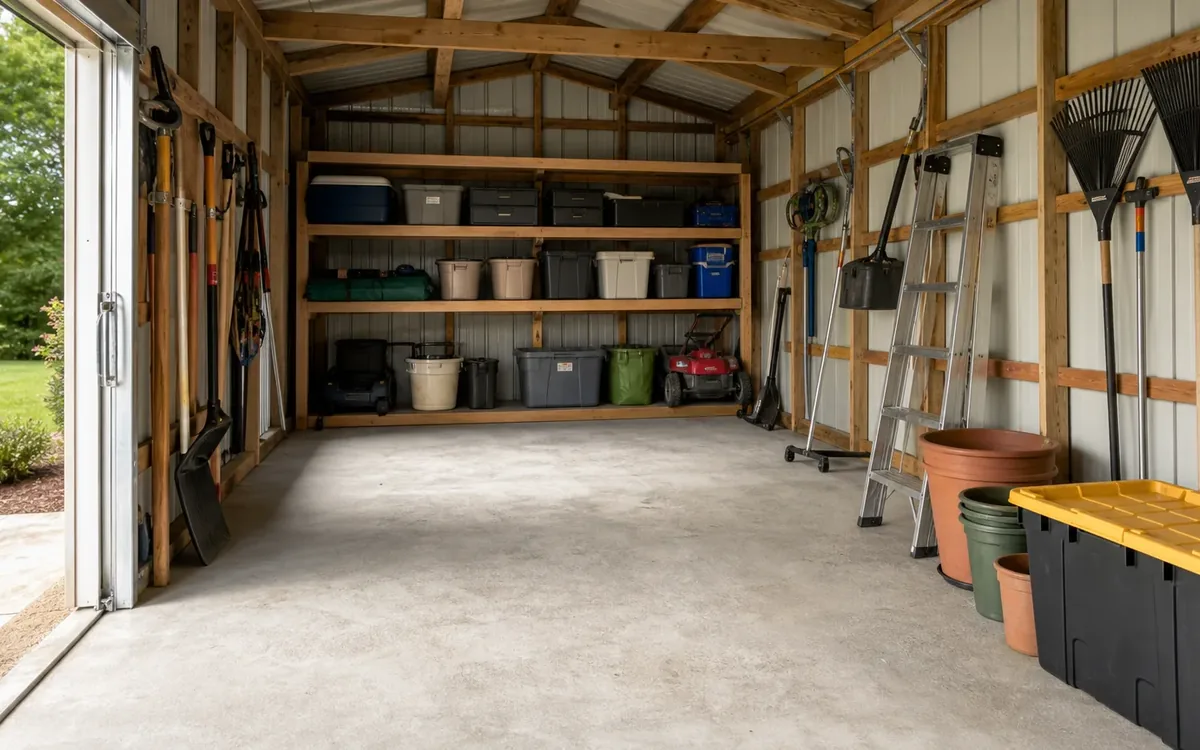
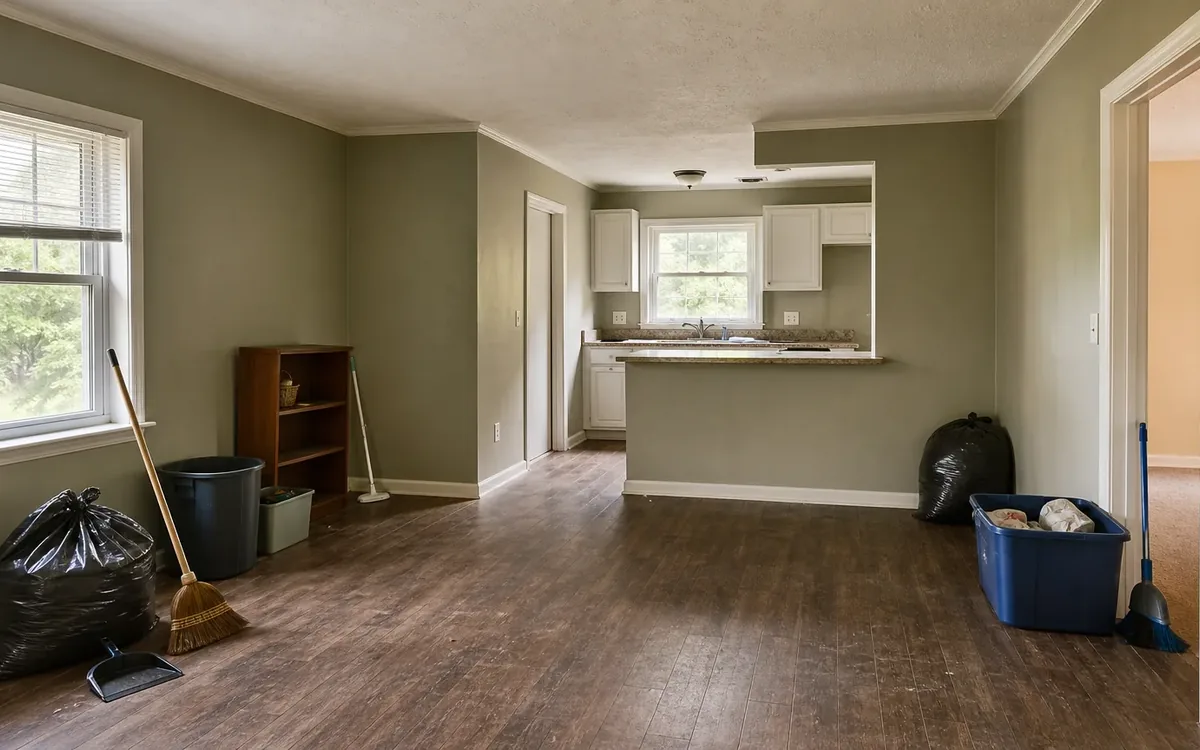
Dated photographs can help show progress. Take comparable views when practical, label them by area, and preserve the originals. Do not move material temporarily just to create a misleading impression that the condition has been resolved.
Supporting records might include written scheduling confirmations, receipts for completed work, or correspondence about an unresolved access issue. Include only relevant information and avoid sending unnecessary private household records.
When belongings come from an estate, sorting decisions can become a separate bottleneck. The guide What Is the Best Way to Clean Out an Estate? can help organize that work without turning your extension request into a detailed family history.

How do you propose a completion date you can support?
Start with the remaining work, not the date you hope the office will accept. A credible proposal accounts for access, decisions, labor, and outside arrangements that are actually confirmed.
Separate the work into practical categories:
- Ready to proceed: Tasks with clear instructions and available access.
- Waiting on household decisions: Items awaiting keep, sell, donate, or other disposition choices.
- Waiting on another provider: Work requiring a contractor, transporter, storage provider, or another specialist.
- Waiting on clarification: Conditions whose required correction is not yet understood.
Ask potential providers what they can commit to before including their work in your proposed schedule. An inquiry is not a booking, and an estimate is not proof that a task will be completed on a particular date.
Identify the order of work. Clearing access may need to happen before a contractor can evaluate a repair. Sorting personal property may need to happen before removal arrangements can be finalized. Explain dependencies plainly rather than promising every task can happen at once.
Propose a completion date based on these arrangements. If a key dependency remains uncertain, say so and describe how you are trying to resolve it. Ask whether the office would consider staged milestones or progress updates, but do not assume those options are available.
Avoid adding a standard buffer based on a supposed typical cleanup duration. The plan should reflect this property’s conditions and the commitments you can support.
Keep household decisions separate from official decisions
The household can usually organize its own sorting priorities, access arrangements, and preferred handling of belongings, subject to ownership rights and any applicable restrictions. Where authority is disputed, get the necessary professional guidance before items are moved, sold, or discarded.
A practical cleanout or move team may discuss:
- Which areas need access for planned work.
- How to group belongings for household decisions.
- What labor and handling tasks are being requested.
- Which tasks depend on another provider.
- What completed work can be documented accurately.
Those discussions do not determine whether the property complies with the notice. Compliance findings, inspection requirements, and extension decisions stay with the responsible office or authority.
Other boundaries matter too. A qualified appraiser handles appraisal questions. An attorney addresses legal authority and legal rights. A real-estate professional advises within their role on sale-related matters. Inspectors and relevant authorities handle their respective inspection or approval decisions.
Storage, contractor repairs, disposal arrangements, and appraisals are separate household or provider choices, not guaranteed Clutter Cleaner services. Confirm who is responsible for each arrangement before presenting it as part of your plan.
Clutter Cleaner of South Carolina is physically based in Mount Pleasant, with Charleston as its primary market and a statewide service territory. Its cleanup support does not replace the office responsible for reviewing your request.
Write a short request with evidence attached
Keep the message focused enough that the reviewer can quickly find your request, progress, and proposed next steps. Follow any required form or format first.
A useful structure is:
- Identify the property and notice.
- Ask whether additional time can be considered.
- Summarize completed work.
- State the remaining work and relevant obstacle.
- Propose a completion date and supported milestones.
- List attachments and request confirmation of the decision.
You can adapt this sample without treating it as an official form:
Subject: Request for additional cleanup time, [property address], [reference number]
“Hello [name or office], I am contacting you about the notice for [address]. Please let me know whether an extension request is available and whether this message is an acceptable submission.
“The completed work includes [specific tasks]. The remaining conditions are [specific tasks]. The main unresolved dependency is [brief factual explanation]. Attached are [dated photographs or relevant records].
“Based on [confirmed arrangements], I propose completing the remaining work by [proposed date], with [supported milestones, if applicable]. Please confirm whether this proposal can be considered and whether you need additional information.
“Please provide written confirmation of any decision and clarify which existing requirements remain in effect. I understand this request does not itself change the current deadline.”
Use a calm, factual tone. Describe genuine barriers without exaggeration, blaming others, or promising work you cannot control.
What should you do while waiting for a response?
Continue work that is safe, authorized, and consistent with the notice. Keep documenting progress and retain copies of communications. Silence is not approval, and a submitted request is not a revised deadline.
If you have not received acknowledgment, follow the office’s stated contact instructions. Ask whether the request was received and whether anything is missing. Avoid sending conflicting versions of your proposal through multiple channels without explaining which version is current.
If more time is granted, check the written response carefully:
- Does it identify a revised deadline?
- Does it cover every condition or only selected work?
- Are progress reports or inspections required?
- Do any other dates or obligations remain unchanged?
If the request is denied, ask what options or next steps the office identifies. Legal questions about challenging a decision or responding to enforcement should go to an attorney or the responsible authority.
If a provider cancels or the scope changes, update your plan honestly. Contact the office about the changed circumstances rather than assuming an earlier approval covers a different schedule or different work.
Short FAQ
Can a cleanup company obtain an extension for me?
Do not assume it can. Ask the issuing office who may submit or discuss the request. A cleanup team may help describe work and practical dependencies, but it cannot guarantee approval or replace required owner authorization.
Should I include photos if the property is still unfinished?
Accurate photos can show completed work and remaining conditions. Label them clearly and follow the office’s submission instructions. Unfinished work should be described honestly, not hidden from the progress summary.
Does a booked cleanout mean the property will be compliant?
No. A booking supports a scheduling statement, not a compliance determination. The responsible authority decides whether the required conditions have been corrected.
Where can I discuss practical cleanup support?
Contact Clutter Cleaner of South Carolina at (843) 972-7020 to discuss code compliance support and the cleanup work you need help organizing. Keep extension approval, inspection outcomes, and any legal questions with the appropriate office or professional.