
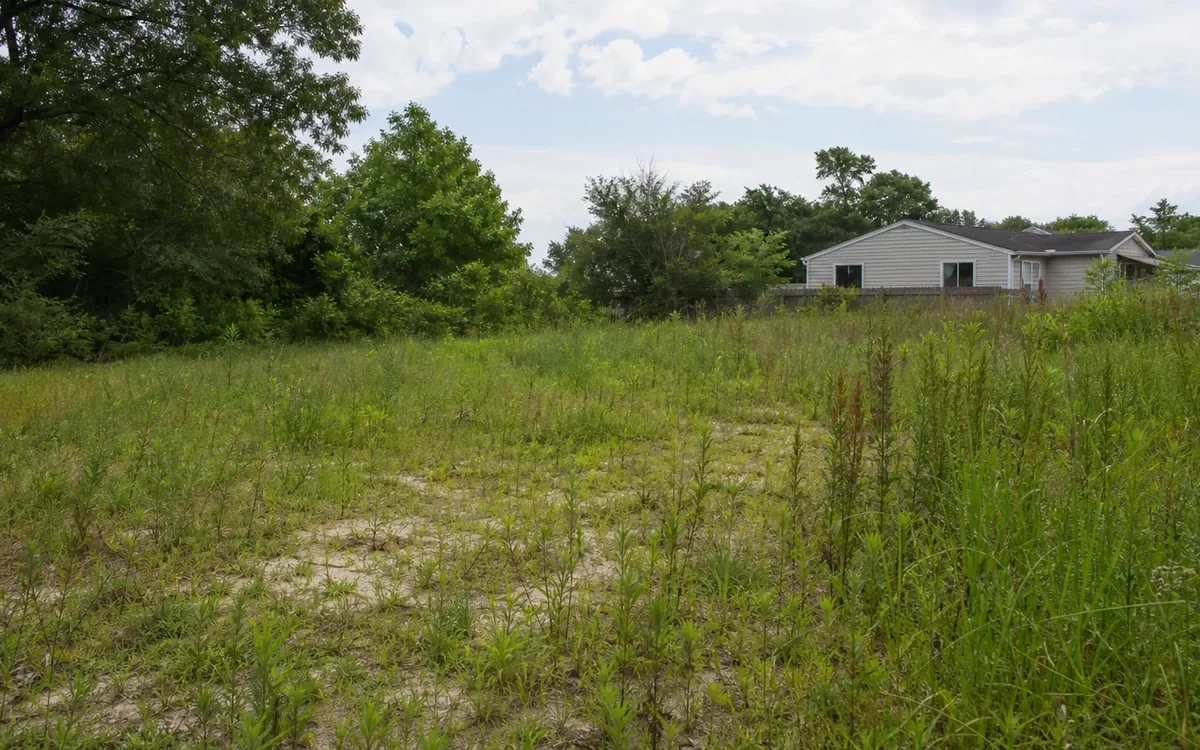
If your vacant lot received a notice, start by reading the exact cited conditions, deadline, parcel information, and response instructions. Then verify the site’s current condition, separate ordinary debris and vegetation from hazards that require specialized providers, arrange lawful access, and document the completed work for the issuing office. Owners who live outside South Carolina can coordinate these steps remotely, but the responsible authority decides whether the property complies.
Quick answer: Match the cleanup plan to the written notice, not to assumptions about what a vacant lot should look like. Obtain current photos, identify dumped items and overgrowth, confirm legal access, select suitable providers, retain disposal records, and ask the issuing office how completion should be reported. Only that office or another responsible authority can interpret the notice, revise its deadline, or confirm compliance.
What does the notice actually require?
A notice is the controlling starting point. It may identify weeds, brush, litter, dumped household contents, construction debris, blocked access, unsafe conditions, or another concern. Do not assume every untidy feature is part of the cited violation, and do not assume removing visible trash will resolve a notice that also addresses vegetation or structures.
Review the document for:
- The owner name and mailing address
- Parcel number and street address, if one exists
- Specific conditions cited
- Ordinance or rule references
- Required corrective action
- Inspection, response, or completion instructions
- Contact information for the issuing office
- Any stated deadline, hearing, fine, or appeal information
Compare the parcel number with tax and deed records available to you. Vacant parcels can be difficult to distinguish, especially when there is no mailbox, driveway, or posted address. If boundaries are unclear, a surveyor or the appropriate land professional should identify them. A cleanup crew should not guess where one parcel ends and another begins.
Questions about interpretation, extensions, hearings, penalties, or whether particular work will satisfy the notice belong with the issuing authority or qualified legal counsel. A practical cleanout or move team may discuss visible contents, access, labor needs, sorting, hauling coordination, and documentation. It cannot issue a legal interpretation or promise that an authority will close the case.
Owners looking for practical help can review the statewide code compliance support service. The scope of any project should be discussed after the notice and property conditions are understood.

How can an out-of-state owner assess an empty lot?
Remote planning works best when the owner creates a reliable picture of the site before authorizing labor or equipment. Old listing photos, satellite views, and a neighbor’s description may provide context, but they should not replace a current ground-level assessment.
Ask for a systematic set of dated images or video showing:
- The road frontage and any posted parcel number
- Entry points, gates, fences, and locks
- The route a worker or vehicle would use
- Each side of the lot, as far as safely visible
- Piles of debris from multiple angles
- Heavy vegetation, fallen limbs, or blocked paths
- Containers, appliances, tires, furniture, or construction material
- Structures, utility equipment, wells, tanks, or drainage features
- Nearby homes, roads, sidewalks, and adjoining parcels
The person documenting the property should remain in lawful, safe areas. They should not enter an unstable structure, open unknown containers, disturb suspected hazardous material, or cross neighboring land without permission.
A basic site sketch can help when the lot is large or obscured. Mark the entrance, debris groups, vegetation zones, structures, and areas that were not visible. This gives potential providers a common reference and reduces confusion when the owner cannot attend.
Remote owners should also name one person who can approve ordinary decisions. That representative needs clear limits, such as whether they may authorize added hauling, arrange a locksmith, or stop work when an unexpected item appears. Legal authority to act for an owner should be addressed through appropriate documents and professional advice, not assumed by a cleanup provider.
Separate dumped items from vegetation and site hazards
A vacant-lot notice can involve several kinds of work that require different providers. Treating everything as one debris pile can lead to unsafe handling, incomplete work, or damage to the land.
Dumped household items
Furniture, bagged trash, mattresses, loose clothing, and similar contents may be candidates for removal after ownership and disposal questions are resolved. Photograph them before disturbance. Mail, records, photographs, or valuables mixed into a pile may warrant owner review rather than automatic disposal.
Construction and demolition material
Lumber, drywall, roofing, masonry, and fixtures may have disposal restrictions or require a contractor with suitable equipment. Sharp fasteners, unstable stacks, and hidden heavy material change how the work should be planned.
Vegetation
Tall grass, vines, brush, saplings, and fallen limbs are not the same task as contents removal. A landscaping, tree, forestry, or land-clearing provider may be appropriate, depending on the growth and site. The owner should confirm what may be cut, whether protected areas or easements are present, and where material may lawfully go.
Unknown or regulated material
Sealed drums, fuel containers, chemicals, batteries, asbestos-suspect debris, medical waste, ammunition, and other potentially hazardous items should not be opened or casually moved. The appropriate environmental, waste, utility, fire, law-enforcement, or regulatory contact should determine the next step.
Vehicles and equipment
Abandoned cars, trailers, boats, machinery, and titled property require separate ownership and removal decisions. A hauler should not treat them as ordinary scrap without proper authorization.
This separation is also useful when requesting scopes of work. One provider may address removable contents while another handles mowing, trees, grading, environmental assessment, towing, or structural concerns. Those are separate owner choices and should never be presumed to be included in a cleanout.
For a closer look at how removable property is commonly sorted and cleared, see the guide explaining how estate cleanouts work. A vacant lot is different from an estate, but the guide’s distinctions among keeping, selling, donating, recycling, and disposing can help owners think through identifiable personal property found outdoors.
What access must be arranged before cleanup?
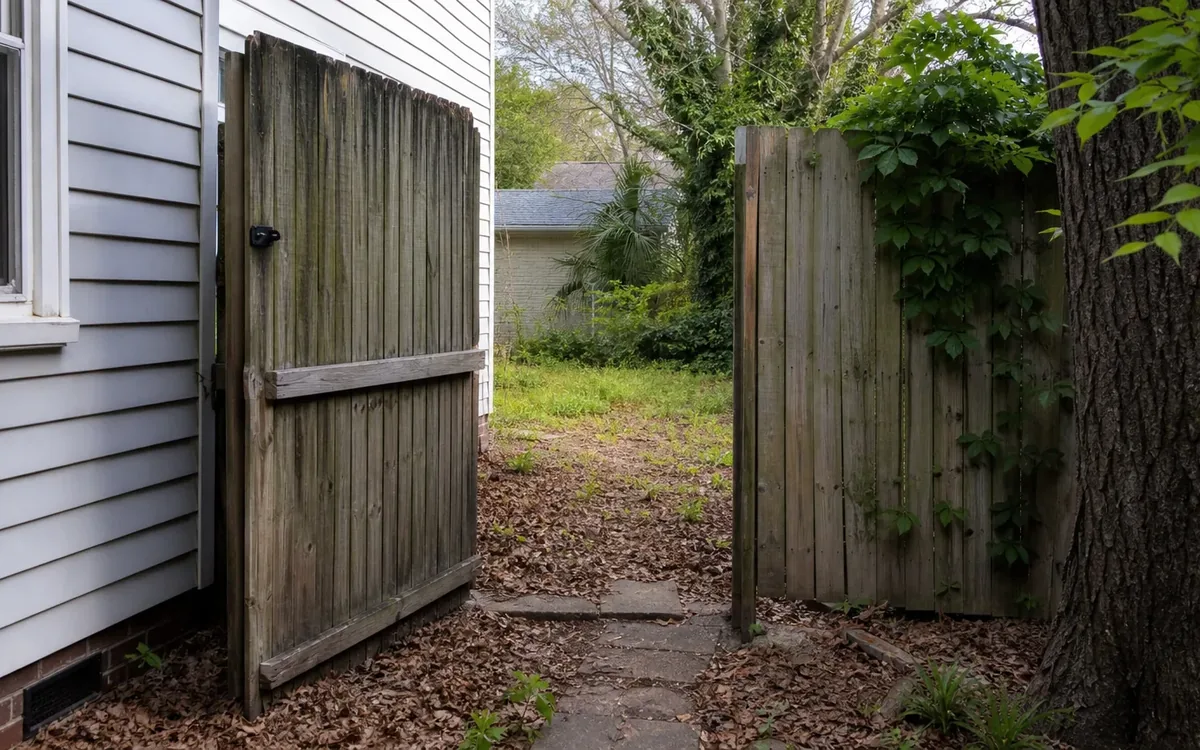
Access is more than providing an address. The owner should establish that workers are entering the correct parcel, that they have permission, and that their vehicles can approach without crossing land they are not authorized to use.
Before scheduling work, resolve these five access points:
- Parcel identity: Provide the parcel number, maps available to you, and visible landmarks. Use a surveyor if boundaries cannot be reliably located.
- Owner authorization: Give written permission appropriate to the task. If an agent is acting for the owner, confirm that person’s authority.
- Entry control: Explain how gates, locks, access codes, or keys will be managed without publishing sensitive information.
- Vehicle route: Identify narrow entrances, soft ground, low branches, ditches, overhead lines, steep areas, or weight restrictions that could affect equipment.
- Neighboring property: Confirm that staging, parking, cutting, and debris removal will remain within authorized areas unless separate permission exists.
Weather and soil conditions can change whether vehicles can enter without rutting the site or becoming stuck. The contractor responsible for equipment should evaluate those operational concerns. Utility locating, excavation rules, traffic control, permits, and right-of-way use should be addressed with the responsible utility, contractor, agency, or authority.
If the lot contains a building, shed, retaining wall, damaged fence, or other structure, do not fold demolition or repair into a general cleanup by assumption. A qualified inspector, engineer, contractor, permitting office, or other relevant professional should evaluate structural and permit questions.
Build a scope that matches the cited conditions
A useful written scope distinguishes required work from optional property improvement. The goal is to prevent an owner from authorizing broad clearing when the notice calls for a narrower correction, or from ordering only trash removal when vegetation is also cited.
The scope can identify:
- Exact debris groups proposed for removal
- Items to retain or set aside for owner review
- Vegetation areas proposed for cutting
- Areas specifically excluded from work
- Structures or materials that must not be disturbed
- Access and staging locations
- Whether containers or equipment may be placed on site
- Requested before-and-after documentation
- Destination records or receipts that should be retained
- Who may approve a change if hidden conditions appear
Ask each provider to state its own responsibilities. A practical cleanout team may discuss labor, sorting, hauling logistics, and visible debris. A landscaping or tree provider should define vegetation work. A towing company handles eligible vehicles. Specialized waste providers address materials they are authorized to accept. Inspectors, engineers, appraisers, real-estate professionals, attorneys, and government offices remain responsible for decisions within their respective roles.
An appraisal is not normally needed simply to remove trash, but it may be appropriate if potentially valuable property is discovered or if ownership decisions depend on value. The owner chooses whether to engage an appraiser. Sale, auction, donation, storage, or disposal should be separate decisions based on condition, ownership, value, and the notice deadline.
Storage is likewise an owner decision arranged with a suitable storage provider. Do not send unidentified contents into storage without an inventory, a responsible account holder, and a plan for later review.
How should cleanup be coordinated from far away?
Remote coordination needs clear checkpoints rather than constant messages from multiple people. Establish a single project file containing the notice, parcel information, owner authorization, site images, provider scopes, and issuing-office correspondence.
A practical remote workflow has six stages:
- Confirm the notice: Verify the parcel and ask the issuing office procedural questions in writing when possible.
- Document current conditions: Obtain safe, comprehensive photos and note inaccessible areas.
- Classify the work: Separate contents, vegetation, vehicles, structures, and potentially regulated material.
- Authorize providers: Approve written scopes and define who can make limited field decisions.
- Record completion: Collect after photos, invoices, receipts, and notes about exclusions or unresolved hazards.
- Report as instructed: Submit or retain the materials the issuing office requests and ask how reinspection or case review is handled.
Avoid telling a distant crew simply to “clear everything.” That phrase does not address boundary uncertainty, ownership, protected features, unknown containers, or personal property that may have been dumped without the owner’s knowledge.
If cleanup reveals evidence identifying a possible dumper, preserve photographs and discuss reporting with the appropriate authority. Do not confront a suspected person or publicize identifying information without proper guidance.
Changes should be documented. If a pile is larger than photographs indicated, a vehicle blocks access, or unsafe material appears underneath brush, pause the affected work. The owner or authorized representative can decide whether to revise the scope, while the appropriate professional determines how specialized material may be handled.
Document results for the issuing office
Completion records should show the same locations and conditions referenced in the notice. Attractive wide-angle photos alone may not prove that a specific pile, frontage area, or access obstruction was addressed.
Create a completion package with:
- A copy of the original notice
- A brief list of the corrective actions taken
- Before-and-after images from matching viewpoints
- Close views of each cited area
- A simple site map if locations are hard to recognize
- Receipts or destination records retained from providers
- Notes about material handled by specialized providers
- Dates shown accurately in file names or a photo log
- Written correspondence with the issuing office
Do not alter photos in a way that changes what they depict. Basic organization and descriptive file names are helpful, such as “north-frontage-before” and “north-frontage-after.” Keep original files where possible.
The owner may submit the package according to the notice’s instructions and request confirmation of the next procedural step. A cleanup provider can supply records of its own work, but it cannot certify government acceptance unless it is the responsible authority. Reinspection, case closure, fines, and compliance determinations remain with the issuing office.
Prevent another notice without overbuilding the plan
Once the cited conditions are addressed, consider why the lot became vulnerable. Prevention does not necessarily require extensive property development. It should respond to the actual pattern at the site.
Possible owner decisions include:
- Improving a lawful gate or barrier
- Posting ownership or dumping warnings where permitted
- Scheduling separate vegetation maintenance
- Asking a local representative to check the parcel periodically
- Improving address or parcel identification with authority approval
- Using cameras only after considering placement, privacy, power, and applicable rules
- Keeping contact information current with relevant property records
Drainage work, grading, tree removal, fencing, driveway construction, lighting, and utility work can involve permits, boundaries, easements, engineering, or contractor requirements. Those decisions should be reviewed by the appropriate professionals and authorities. A cleanup project should not drift into unapproved site alteration.
Short FAQ
Should I remove everything before contacting the issuing office?
Not necessarily. First understand the notice and ask procedural questions. Immediate removal without a site assessment can miss cited conditions or disturb material requiring specialized handling.
Can a cleanup team tell me whether the lot is compliant?
A team can describe completed work and provide photos or records. The issuing office or responsible authority determines whether the cited violation has been corrected.
What if dumped items do not belong to me?
Document them before moving anything. Ask the issuing office or appropriate law-enforcement or waste authority about reporting procedures. Property ownership does not automatically answer who dumped the items, but the notice may still direct the owner to correct site conditions.
Who decides whether an item should be sold or appraised?
The owner or authorized decision-maker does, with advice from a qualified appraiser, auction professional, or other suitable specialist when needed. A cleanout team may identify items for review but should not make the owner’s legal or valuation decisions.
Can Clutter Cleaner coordinate a South Carolina project if I live elsewhere?
Clutter Cleaner of South Carolina has a physical business location in Mount Pleasant and serves all of South Carolina, with Charleston as its primary market. Owners can call (843) 972-7020 to discuss the notice, visible contents, access, documentation needs, and whether the requested code compliance support fits the project. Specialized contracting, legal interpretation, appraisal, inspection, environmental work, and official compliance approval remain with the appropriate providers or authorities.



