Property notice clarification in Greer, SC starts with the office that sent the notice. Ask which items and places each unclear term covers. Ask what needs to change, and get answers in writing. A cleanout team can help plan work. The office must explain what its notice means.
Quick answer: Keep the notice and its attachments together. Turn each vague term into a question about a specific place or item. Ask the issuing city or county for written clarification. Then separate household choices, cleanup work, and decisions that need a qualified professional.
An unfamiliar word can change the whole cleanup plan. “Debris,” for example, may leave you unsure which items the notice means. Don’t treat a broad word as permission to discard everything nearby. Your goal is a clear task list tied to the actual notice.
Who should provide property notice clarification?
Code compliance support planning can help frame a work discussion. The guide to how estate cleanouts work explains a related cleanout process.
Ask the city or county office named on your notice. Use its case number and the contact details it gives. Other offices may use the same words in different ways. Ask the office what those words mean for your home. It should name the area and what needs to change.
Start by checking the sender, property address, and case reference. Keep the envelope, email, photos, and other attachments. These records help you ask about the same document the office reviewed. If contact details conflict, ask the named office to confirm the right contact.
For a property in Greer, SC, follow the issuing authority shown on the notice. A nearby city’s website may offer background. It doesn’t settle the meaning of your notice. Local terms, forms, and review processes can differ.
The City of Charleston’s Livability and Code Enforcement page is a Charleston resource. It isn’t an interpretation of a Greer notice. Keep that distinction clear when searching online for unfamiliar words.
You can decide who handles calls for your household. You can also choose who keeps the records. If ownership or authority to act is disputed, seek legal advice. A cleanup provider shouldn’t decide who has the right to approve removal.
Ask the office how it prefers to receive questions. It may direct you to a named contact or form. Record that direction with the notice. This keeps your next message focused and avoids sending private records to the wrong person.

How do you turn vague terms into useful questions?
Help planning code compliance support offers a place to discuss cleanup scope. The estate cleanout planning guide can help organize item decisions.
Quote the unclear term, then ask which place and items it covers. Link your question to something you can see. Ask what the office wants changed. Don’t guess which task it means. These answers help you choose the work. They also help you tell a team what needs to be done.
Take “outside storage” as an example. Ask if the phrase refers to a side yard, porch, or another area. Then ask which items the office included. Don’t substitute your own definition based on what seems untidy.
If the notice says “remove debris,” ask what it identifies as debris. Stored tools, family keepsakes, and loose waste may need different decisions. The household still needs to confirm ownership and decide what to keep. The office needs to clarify the condition cited.
Use these prompts where they fit your notice:
- Ask which exact area each unclear term describes, using the notice’s wording and any attached photo labels.
- Ask which specific items are included, and which nearby items fall outside the cited condition.
- Ask what result the office expects, without proposing repair work or assuming removal is required.
- Ask whether inspection, permits, or another professional review applies before you select a cleanup task.
- Ask how the office wants follow-up records submitted, and who can answer later questions.
For powered items or furniture, just note what they are and where they sit. List who may own them and where they may go. Leave checks and handling plans to the right provider. A vague notice gives no proof for a specific model’s repair, taking it apart, anchoring, or safe use.
A good question narrows the issue without steering the answer. “Does this mean everything must go?” is broad. “Does this term include the labeled boxes in the porch photo?” gives the office a specific point to address.
What should your written clarification request include?
Code compliance support for cleanup planning can inform the provider handoff. The guide explaining estate cleanouts helps separate planning from item removal.
Give the case number, home address, exact words, and clear questions. Say which part you don’t understand. Ask for a written reply that names the area and what must change. Keep your message brief and stick to facts. Don’t commit to work until you know what the notice means.
A short message is easier to answer than a long story. You don’t need to defend every item in the home. Start with the words that block a decision. Add context only when it helps locate the issue.
Follow this five-part format:
- Identify the property address and case reference exactly as they appear on the notice.
- Quote the unclear term and name the page, paragraph, or attached photo where it appears.
- Describe the area or item you believe it concerns, while stating that you need confirmation.
- Ask what condition must change and whether another review or approval applies before work begins.
- Request a written response and ask how unresolved questions affect the stated due date.
Here is a sample message: “I’m reviewing notice [case reference] for [property address]. The phrase [exact wording] is unclear to me. Does it refer to [area or item]? Please identify the affected items and the result you expect.”
You can add: “Please confirm whether any further review is needed before cleanup. I would appreciate a written reply for our planning records.” This asks for clarity without claiming the household has met a requirement.
If you speak by phone, send a brief written recap afterward. State your understanding and ask the contact to correct it. Don’t present silence as approval. Keep unresolved points visible in your plan until you receive an answer.
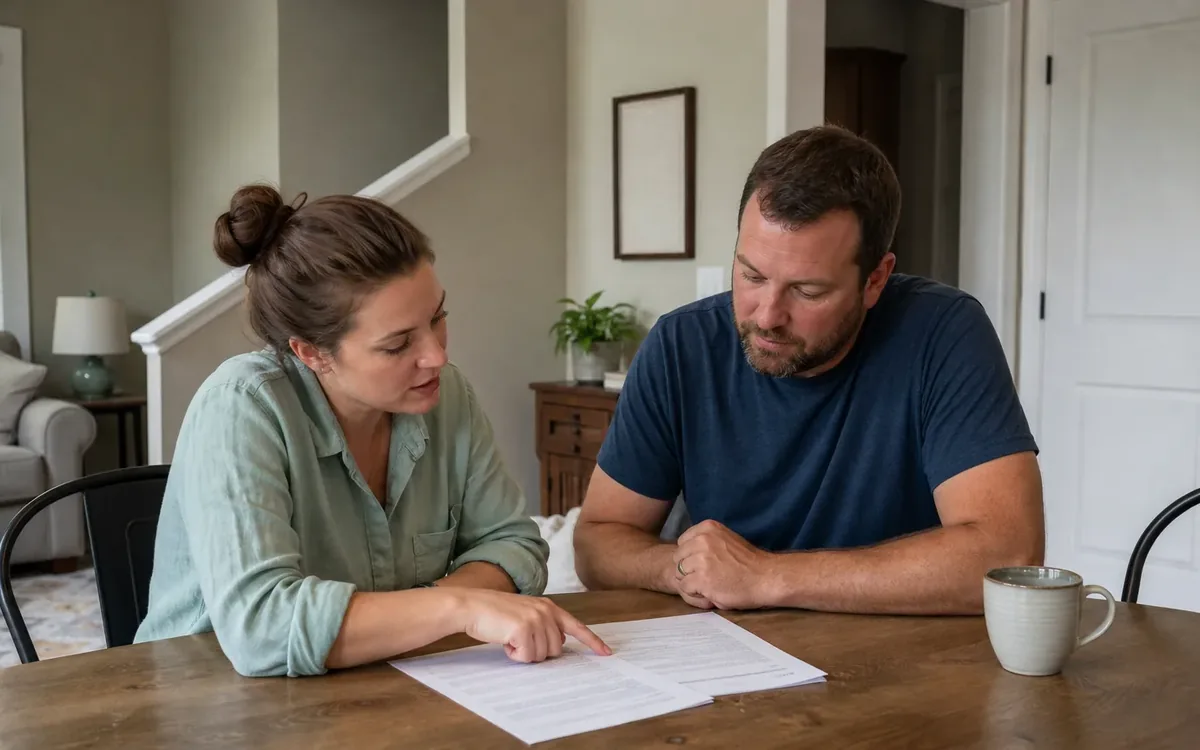
Build a task scope from the reply
Planning help for code compliance support is relevant once the notice is clearer. The estate cleanout guide offers a framework for household choices.
Use the reply to define work by area, item, and result. Keep the office’s words beside your proposed tasks. This lets the household and providers see where a task came from. Leave uncertain tasks open rather than turning an incomplete answer into a full cleanout order.
Create a simple scope sheet with separate fields. Include the cited area, clarified items, proposed work, and person responsible. Add a place for open questions. A short sheet can reveal gaps that a long email chain hides.
For example, a reply may identify loose waste in one yard area. Your scope can name that area and the described waste. It shouldn’t quietly expand to every stored item outdoors. Extra sorting may be a household choice, but label it that way.
Keep these categories distinct:
- Use the office’s written reply to list what must change, without adding your own legal views.
- Keep extra household tasks on a separate list, such as sorting keepsakes for a later move.
- Ask an appraiser about items of unclear value before you choose to sell or discard them.
- List storage, contractor work, and waste removal as separate choices, each with its own contact.
- Leave inspection and compliance findings to the proper expert or office, rather than the cleanup team.
Some waste needs a separate check before it leaves your home. The EPA’s household hazardous waste guidance lists paints, cleaners, oils, and pesticides as possible household hazardous waste. Ask the right waste provider what it accepts and how to arrange pickup or drop-off. Don’t assume a routine cleanout covers these items.
For furniture and powered items, keep the scope at inventory level. Note the item, room, ownership, and intended destination. Ask providers what information they need to plan their work. Don’t add technical handling instructions based on the notice’s wording.
Keep deadlines and disputed meanings separate
Code compliance support discussions can help organize the work questions. The resource guide to estate cleanout steps can support a separate household plan.
Track the dates on the notice while you ask what it means. Asking for an answer doesn’t prove that a due date changed. Ask the office about dates, next steps, and how to seek a review. Keep your cleanup plan apart from questions about legal rights or findings you dispute.
Copy dates exactly from the notice into your records. Note who you contacted and what you asked. If a reply gives a new date, save that reply with the original. If timing remains unclear, ask again rather than filling in the gap yourself.
You may be able to sort ownership records while awaiting an answer. You can also identify keepsakes and gather provider questions. Avoid selecting disputed items for removal when the notice’s meaning is still unknown. The goal is useful planning without acting on an assumption.
If you disagree with the notice, say which point is disputed. Ask the office where to find its review instructions. Don’t ask a cleanout team to decide if the notice is valid. That question belongs with the issuing authority and, when needed, legal counsel.
A question about a building condition may need a qualified inspector or contractor. A question about property value may need an appraiser. A planned sale may need input from a real-estate professional. Each role answers a different part of the problem.
Keep clarification requests calm and specific. “Which items does this photo identify?” is more useful than a broad argument. Clear questions don’t waive your concerns. They help create a record of what you asked and what remains unanswered.
Give providers a clear handoff, without assigning authority
Code compliance support from Clutter Cleaner of South Carolina is a relevant planning contact. The practical estate cleanout guide helps prepare household decisions.
Give a team the notice, written replies, and agreed work plan. Mark terms that still need answers so no one treats them as settled. Talk about access, who owns items, and where they’ll go. Ask what work the team can do. The office still decides how to check compliance with its notice.
A practical cleanout or move team may discuss sorting groups and room access. It may ask who can approve each item decision. It may also discuss how to distinguish retained belongings from items selected for removal. Confirm the actual work offered before making commitments.
Prepare a focused handoff packet:
- Share the notice and written replies, and mark unclear terms that still need answers from the office.
- List items by area, noting what stays, what may go, and which items have ownership disputes.
- Name who makes household choices, and flag approval questions that still need legal or estate advice.
- Keep separate contacts for storage, appraisal, contractor work, and waste removal when you need those services.
- Ask what work records the team can give you, then check what proof the office needs.
Photos and item records can document work. They don’t replace an inspection or official finding. Ask the office what follow-up it requires and who submits it. Keep that step separate from the team’s completion of its agreed tasks.
Clutter Cleaner of South Carolina serves all of South Carolina. Its physical location is Mount Pleasant, SC; Charleston is its primary market. Households in Greer can ask about code compliance support planning. Discuss the specific notice and proposed scope before deciding what help fits.
FAQ: Clarifying a property notice before cleanup
Code compliance support information is useful for provider questions. The home-transition resource blog offers related planning guides.
Can a cleanout team explain what the notice legally means?
A team can flag unclear words and discuss possible cleanup tasks. It shouldn’t settle legal meaning or decide whether a notice is valid. Ask the issuing office to explain its terms. Bring disputes about rights, ownership, or legal duties to a qualified lawyer when needed.
What if the office gives only a phone answer?
Write down the contact’s name and the points discussed. Send a short recap and request written confirmation. Identify any parts you still don’t understand. Keep the recap as your record of the call, rather than treating your own summary as the office’s formal approval.
Should I remove everything called clutter?
Don’t assume one broad word covers all the items nearby. Ask the office which place and items it means. Ask what needs to change there. Then check who owns each item and what the household wants. Keep appraisal questions separate. Don’t remove items with open questions until those questions are settled.
Does asking for clarification change the due date?
Don’t assume it does. Ask the office how your request affects the date on the notice. Get any change in writing and keep that reply. You may need advice about due dates, review rights, or what could happen next. Take those questions to a qualified lawyer, rather than a cleanup planner.
How should I list furniture or powered items?
List what the item is, where it sits, and who owns it. Note where it may go and questions for the team handling it. Keep this to an item list and handoff notes. The notice gives no model-specific proof for electrical work, repairs, taking items apart, stability checks, anchoring, or safe use.
Who decides whether the cleanup meets the notice?
The office in charge uses its own process to decide compliance. Your household can choose tasks, and a team can do the agreed work. Neither step alone means the office has accepted the result. Ask what records or inspection it needs. Keep its reply with the notice so you can check next steps.