

Weather and site access should be treated as planning constraints before cleanup begins, not problems to solve after workers or containers arrive. The household can identify priorities, document conditions, separate belongings, and approve access. A practical cleanout or move team may discuss workflow, staging, labor access, and disposal options. Code rulings, permits, road restrictions, safety determinations, repairs, inspections, and legal deadlines remain with the appropriate authority or qualified professional.
Quick answer: Start by confirming the official compliance requirement, then inspect the route from the public entrance to every work area. Identify weather-sensitive materials, drainage concerns, gates, stairs, soft ground, overhead obstacles, and parking limits. Create a dry-weather plan and a backup plan. Do not assume that cleanup alone resolves a violation. Obtain confirmation from the responsible authority when an inspection or formal closure is required.
What should be confirmed before cleanup is scheduled?
Begin with the document or event that created the need for cleanup. This might be a notice from a municipality or county, an inspection report, a real-estate transaction, an estate transition, or a household decision to address accumulated items.
Clarify these points:
- Which areas or conditions are named in the notice or report?
- Is the concern limited to removable contents, or does it involve the structure, land, utilities, vegetation, vehicles, or hazardous conditions?
- Does an official deadline apply?
- Is an inspection or written confirmation required after work is completed?
- Who is authorized to approve work and provide access?
- Are permits, licensed trades, or specialist assessments needed?
The owner, authorized representative, executor, or other responsible party should retain the original notice and direct questions about its meaning to the issuing authority or legal adviser. A cleanup provider can use that information to discuss the removable contents within its proposed scope, but should not reinterpret the law or promise that a property will pass inspection.
Clutter Cleaner of South Carolina offers code compliance support for property cleanup across South Carolina. That support should be coordinated with, rather than substituted for, decisions made by inspectors, code officials, attorneys, contractors, environmental specialists, or other responsible professionals.

How does weather change the cleanup sequence?
Weather affects more than worker comfort. It can change whether vehicles can enter, whether boxes remain usable, whether loose material spreads, and whether paths become slippery or unstable. South Carolina properties also vary widely, so a statewide plan should be based on the actual site rather than assumptions about one region.
Divide the work into three categories.
Indoor work that can proceed under cover
Possible tasks include:
- Sorting possessions away from doors and walkways
- Creating keep, transfer, sale, donation, recycling, and disposal groups
- Photographing items whose ownership or disposition is unresolved
- Packing approved items for relocation or storage
- Clearing interior routes without placing material outdoors prematurely
Indoor work may still need to stop if the building has unsafe electrical conditions, active leaks, structural instability, mold concerns, pests, sewage, or another hazard. The appropriate inspector, remediation provider, licensed trade, or other qualified professional should evaluate those conditions.
Outdoor work that depends on conditions
Rain, wind, heat, cold, lightning, and saturated ground can affect:
- Yard debris collection
- Loading from uncovered areas
- Temporary outdoor staging
- Use of sloped drives or unpaved lanes
- Handling paper, fabric, mattresses, and upholstered goods
- Control of lightweight or loose material
- Safe movement on steps, ramps, decks, and docks
Weather forecasts help with planning, but on-site conditions control the immediate decision. A route that appeared usable earlier may become muddy, blocked, slick, flooded, or unstable.
Tasks that should stay separate from cleanup
Storm damage repairs, roof work, electrical corrections, grading, drainage work, tree removal, pest treatment, hazardous-material handling, and structural repairs require separate household decisions and may require specialized providers. Cleanup can expose those needs without resolving them.
If the property is part of an estate, the what are the basic steps for a cleanup explains how authority, documents, and belongings should be addressed before items leave the home.
What site-access details matter most?
Trace the complete movement path for people, equipment, and material. Start at the road or parking area and continue through the final room, outbuilding, yard section, or storage space.
Check the following access points:
- Road and entrance: Note narrow approaches, low branches, sharp turns, traffic exposure, surface conditions, and posted restrictions.
- Parking: Determine where authorized vehicles may wait without blocking neighbors, hydrants, mailboxes, driveways, fire access, or public travel.
- Gate: Confirm width, lock arrangements, codes, owner approval, and whether animals must be secured.
- Driveway: Look for steep grades, weak edges, soft shoulders, low clearance, cracks, and areas where water collects.
- Walkways: Identify mud, loose gravel, roots, clutter, broken paving, poor lighting, and narrow passages.
- Entrances: Measure unusually tight doors or turns, and note steps, thresholds, porches, and railings.
- Interior routes: Check halls, stairways, low ceilings, weak flooring, and objects that cannot be moved without prior approval.
- Outbuildings: Verify keys, lighting, stable floors, pest conditions, and a usable route back to the loading area.
Measurements and photographs can help a provider discuss feasibility. They do not establish structural capacity, code compliance, public-road permission, or equipment safety. Those determinations belong to the property owner, relevant authority, equipment operator, inspector, engineer, contractor, or other qualified party, depending on the issue.
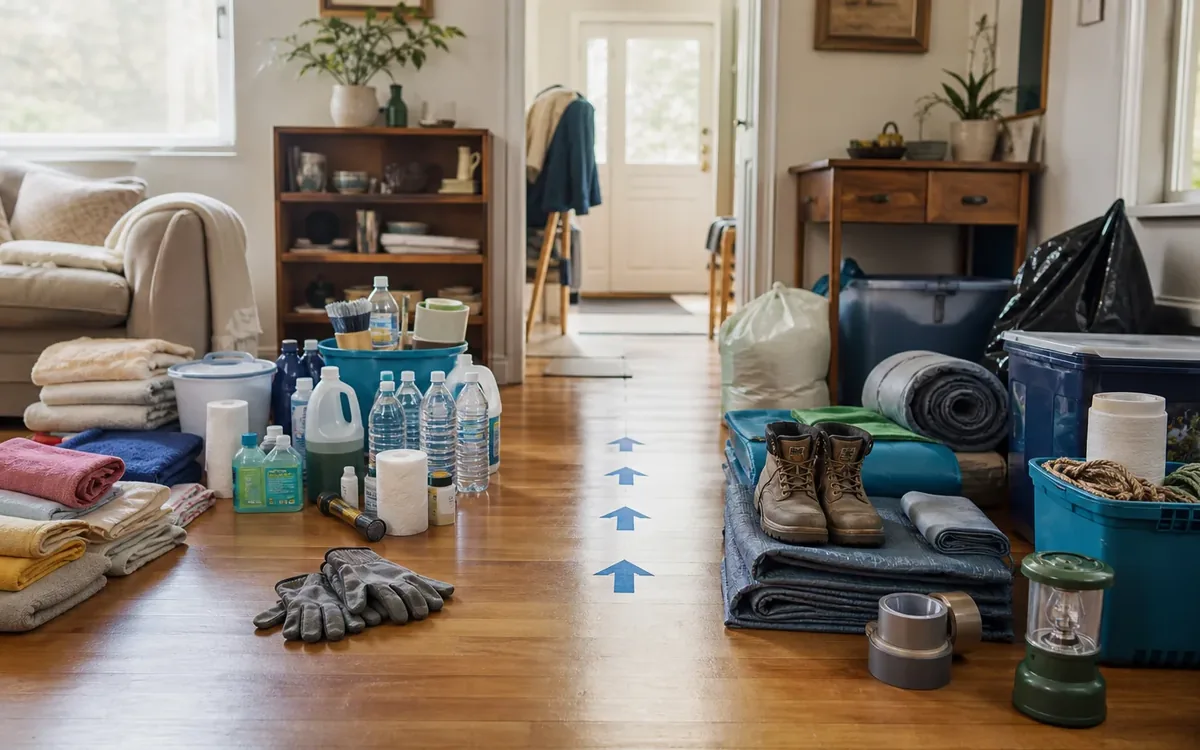
Build a weather-ready access plan in five steps
A focused plan keeps access decisions connected to the exact cleanup objective. Use these five steps.
-
Map the work zones. Mark each indoor and outdoor area included in the proposed cleanup. Separate areas that are excluded, locked, disputed, unsafe, or awaiting professional evaluation.
-
Choose a primary route. Select the shortest practical route that avoids fragile surfaces, occupied rooms, unsecured animals, steep ground, and public obstruction. Do not move fences, alter landscaping, or cross neighboring property without authorization.
-
Create a backup route or holding area. Identify where approved items can remain under cover if outdoor loading pauses. The space should not block exits, utilities, fire protection, or required access.
-
Assign decision authority. Name the person who can approve disposition, unlock spaces, answer ownership questions, and communicate with officials. Also record which questions must wait for an executor, attorney, inspector, appraiser, real-estate professional, contractor, or other specialist.
-
Set stop conditions. Agree that work pauses when conditions create an unreasonable access or handling concern. Examples include lightning, moving water, unstable ground, a blocked emergency route, newly discovered hazardous material, a structural concern, or lack of authority to remove an item.
The plan should be shared with everyone making decisions. It does not need to be elaborate, but it should distinguish confirmed facts from assumptions.
Keep weather protection from creating a new violation
A rushed response to rain can move material from one problem area into another. Bags placed at a curb may obstruct travel. Covered piles can block utilities. Boxes moved into a garage may eliminate required access. Debris shifted behind a structure may remain visible, attract pests, or violate another rule.
Before using a temporary staging area, ask:
- Does the owner authorize use of this space?
- Is the location allowed under applicable property and public-space rules?
- Will it block a door, meter, panel, hydrant, drain, sidewalk, or vehicle route?
- Is the surface firm enough for the intended load?
- Can material be protected without allowing tarps or loose objects to blow away?
- Are any items leaking, sharp, combustible, regulated, or otherwise unsuitable for ordinary staging?
- Who is responsible for monitoring the area until material leaves?
Local requirements may differ among South Carolina jurisdictions and properties. The responsible code office, public works department, property manager, homeowners association, fire authority, or other relevant body should answer questions within its authority. A cleanout team may discuss practical placement but cannot grant permission to use public or restricted space.
Separate cleanup choices from professional decisions
Clear boundaries prevent a cleanup plan from expanding into work that has not been evaluated or authorized.
Decisions the household can make
When legally authorized, the household can generally decide:
- Which personal belongings to keep
- Who may enter the property
- Which documents require private review
- Whether suitable items should be considered for sale, donation, recycling, transfer, storage, or disposal
- Which rooms or exterior areas are included in a requested proposal
- Who will communicate with providers and officials
Ownership disputes, estate restrictions, court orders, leases, liens, insurance requirements, or contracts may limit those choices. An attorney or other appropriate adviser should address such questions.
Topics a cleanout or move team may discuss
A practical team may discuss:
- A sequence for sorting and removing approved contents
- Clear travel paths and staging locations
- Weather exposure affecting ordinary household goods
- Access information needed before work begins
- Coordination questions involving the household’s chosen providers
- Categories that may need separate disposal instructions
- Documentation the household wants for its own records
The exact proposed scope should be confirmed directly with the provider. Do not assume that cleanup includes construction, remediation, transport to storage, appraisal, brokerage, legal review, or inspection.
Decisions reserved for other professionals or authorities
Keep these decisions separate:
- Legal: Authority to act, estate administration, tenant matters, ownership disputes, and interpretation of notices belong with an attorney, court, issuing authority, or other legally responsible party.
- Appraisal: Identification and valuation of potentially significant property belong with a qualified appraiser or relevant specialist.
- Real estate: Listing strategy, required disclosures, transaction advice, and market positioning belong with the chosen real-estate professional and other responsible advisers.
- Inspection: Structural, electrical, environmental, pest, septic, well, fire, and similar findings belong with qualified inspectors or specialists.
- Contractor work: Repairs, demolition, grading, vegetation work, utility corrections, and building changes should be assessed by the appropriate contractor or trade professional. Permits and trade requirements may apply.
- Compliance: Only the responsible authority can interpret its requirements, conduct an official inspection, or confirm that a cited condition has been resolved.
- Storage and disposal: The household chooses whether to use a storage provider and should confirm its terms. Disposal destinations and acceptance rules depend on the material and the receiving facility or authority.
Document conditions without turning cleanup into an inspection
Basic records can help the household communicate with providers and authorities. They should remain factual and should not claim that a condition is safe, compliant, repaired, or valuable.
Useful records include:
- Wide photographs showing each work area
- Close photographs of blocked paths or access constraints
- Images of the driveway, gate, steps, and loading route
- A written list of locked or excluded spaces
- Copies of notices supplied by the responsible party
- A disposition log for items requiring approval
- Notes showing questions referred to an official or specialist
- Completion photographs requested by the household
Avoid relying on photographs as proof that a formal requirement has been satisfied. Ask the issuing authority what documentation it accepts and whether a follow-up inspection is necessary.
If the cleanup is connected to a property sale, preserve records that the owner, attorney, agent, insurer, or inspector requests. Each professional controls their own review and documentation requirements.
What happens if conditions change during the work?
Use a pause-and-reassess process rather than improvising. A changed condition may affect safety, authorization, disposal, or the official compliance path.
Pause when workers encounter:
- Standing or moving water on the access route
- A fallen limb, damaged step, soft floor, or shifting surface
- Unknown chemicals, fuel, pressurized containers, needles, or suspected hazardous material
- Unsecured animals or unauthorized people on site
- A locked area that was expected to be open
- Belongings whose ownership is disputed
- Documents, valuables, firearms, medication, or identity-sensitive material needing responsible-party review
- Evidence that a requested task involves repair or regulated work rather than contents cleanup
The household’s authorized contact should decide ordinary disposition questions. Safety, hazardous materials, structural conditions, law enforcement concerns, permits, or code interpretations should be referred to the appropriate professional or authority.
A backup plan may move work to an already approved indoor zone, but only if doing so does not create blocked exits, excessive loading, contamination, or another compliance concern.
Final review before requesting official closure
After the approved cleanup scope is finished, compare the result with the original notice or documented objective. Do not rely solely on whether the property looks cleaner.
Review these points:
- Are all named areas accessible for review?
- Has temporary staging material been removed?
- Are sidewalks, roads, drains, doors, utilities, and fire access clear?
- Did weather scatter or damage any remaining material?
- Are excluded repair or inspection issues documented for the responsible provider?
- Does the authority require a call, form, photographs, receipt, or site inspection?
- Who will receive and retain any official response?
Cleanup completion and compliance closure are separate events. The provider can confirm what was done within its agreed scope. The issuing authority determines whether its requirement has been satisfied.
Short FAQ
Should cleanup proceed when rain is forecast?
That depends on the actual site, materials, route, and weather conditions. Indoor sorting may be possible while outdoor loading is unsuitable. The household and provider can discuss alternatives, but unsafe or damaging conditions should trigger a pause.
Can items be staged on a curb or public right-of-way?
Do not assume so. Placement rules, collection requirements, and public-access restrictions may vary. Confirm permission and requirements with the relevant local authority or authorized property manager.
Who decides whether the ground can support a vehicle or container?
The property owner should disclose known conditions. The equipment or container provider decides whether it will place or operate its equipment, while an engineer, contractor, or other qualified specialist may be needed to evaluate uncertain surfaces. Public access questions belong with the relevant authority.
Does removing clutter automatically clear a code issue?
No. Cleanup may address removable contents, but the notice may also involve repairs, sanitation, land use, vehicles, vegetation, utilities, or another regulated condition. Only the responsible authority can confirm compliance.
Where should weather-sensitive belongings go?
The household can choose an approved dry area, transfer location, or separate storage provider. Confirm ownership, access, transport, storage terms, and insurance questions before moving items.
What is the practical next step?
Gather the notice, photographs, access details, and a list of unresolved professional questions. Then discuss the removable-content scope with Clutter Cleaner of South Carolina at (843) 972-7020. Direct legal, appraisal, real-estate, inspection, repair, permit, and official compliance decisions to the responsible professional or authority.



