
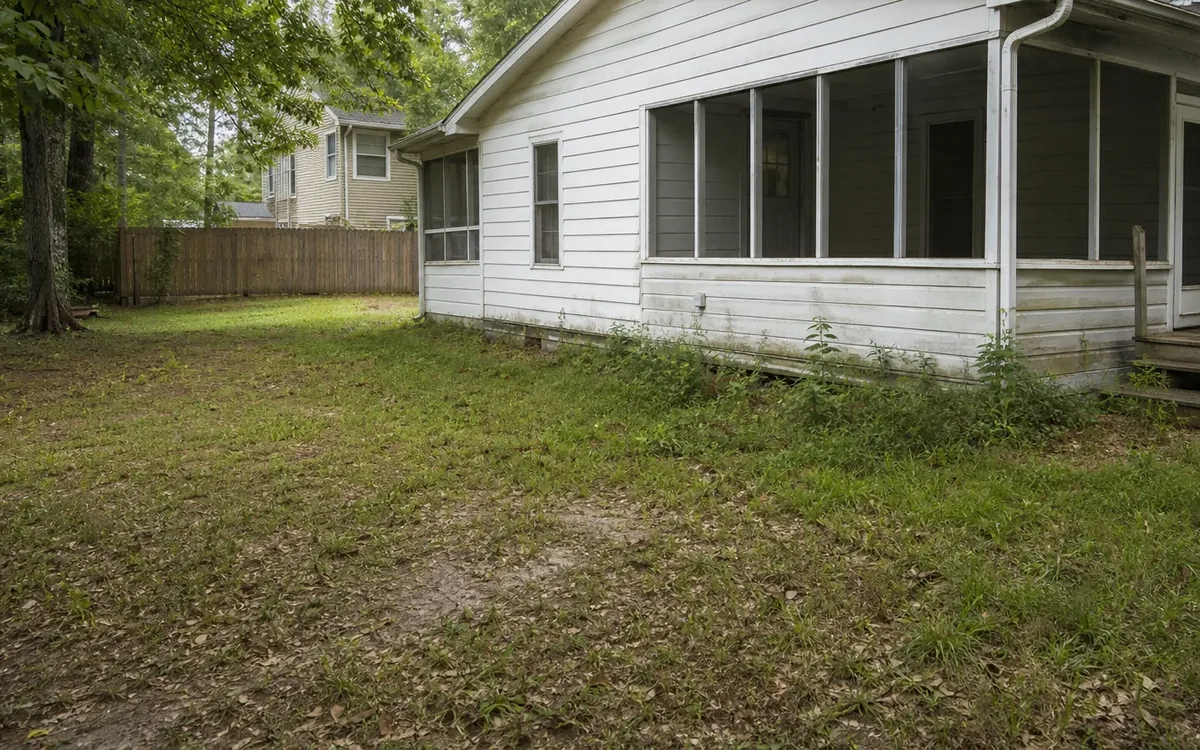
To photograph suspected property violations for your records, take an overview, a context view, and a close-up of each concern from a safe, permitted location. Keep the original files, record when and where you took them, and repeat the same views after work. Photos document visible conditions; they do not establish a violation or prove compliance.
Quick answer: Use consistent viewpoints, natural light when practical, and factual captions. Save unedited originals separately from annotated copies. Connect each image to a specific location or notice item, and leave compliance determinations to the responsible authority or professional.
For South Carolina households, this approach can make a property concern easier to understand before belongings move or cleanup begins. The goal is a usable record, not a dramatic image or a reporting package.
What should your photographs actually show?
Start with the condition you need to document. If you have a written notice, use its wording to organize your records without assuming that your photographs prove every part of it. If no authority has identified a violation, label the folder as a property condition or suspected concern.
A useful photo set answers three questions: Where is it? What is visible? How does it relate to the surrounding space?
Use these complementary views:
- Overview: Show the yard, room, driveway, or building side containing the concern.
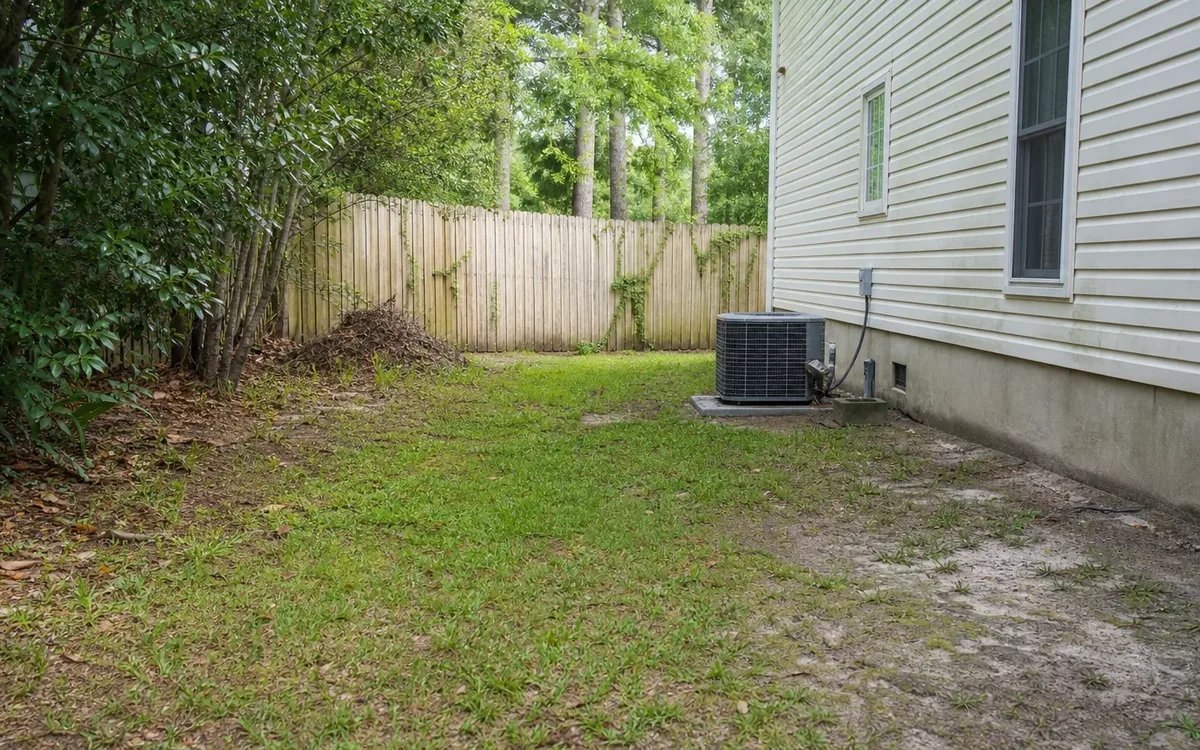
- Context view: Move closer while retaining a recognizable landmark, such as a doorway or fence corner.
- Detail: Show the specific material, obstruction, damage, or accumulation without losing focus.
A close-up of stacked items may show their condition but not whether they occupy a walkway. An overview may show the walkway but hide the objects blocking it. Together, the views create a more understandable record.
Write down what remains unclear. If vegetation hides the lower part of a wall, say so rather than treating the photograph as evidence of what is behind it.
Plan the record before anything moves
Photograph the property before sorting or cleanup changes its appearance, when doing so is safe. Once a pile is separated or a room is emptied, you may not be able to reconstruct its original arrangement accurately.
Choose simple location labels that another person could follow: “rear gate,” “garage north wall,” or “upstairs hallway.” Avoid labels such as “bad area,” which offer little help when reviewing several folders.
Prepare a short capture plan:
- List the areas or notice items you want to document.
- Identify safe places to stand for overview photographs.
- Note which areas are inaccessible or unsafe.
- Decide who will take photos and maintain the files.
- Choose a private storage location for the record.
If cleanup coordination is part of the transition, code compliance support from Clutter Cleaner of South Carolina is a relevant starting point for discussing practical help. Ask what documentation or coordination may be appropriate for your situation rather than assuming photography, inspections, or official submissions are included.
For inherited belongings, the guide to how estate cleanouts work provides broader cleanout context. Keep your photo record distinct from decisions about ownership, appraisal, distribution, or disposal.
How can you capture clear photos without creating a safety problem?
A phone camera is often enough to create a readable household record. Clean the lens, check focus, and review each image before leaving the area. Take another image if glare, blur, or deep shadow hides the condition.
Use ordinary camera settings rather than filters or portrait effects. These effects can soften edges, alter color, or blur background details that help explain the location. Avoid extreme wide-angle views when they distort distances or make spaces look larger than they are.
Stand where you have permission to be and where footing is secure. Do not climb unstable piles, enter an unsafe structure, reach across exposed wiring, or move unidentified substances to improve a photograph. If a condition presents an immediate safety concern, prioritize safety and contact the appropriate professional or emergency resource.
For practical clarity:
- Keep the camera level when photographing walls or doorways.
- Include a fixed landmark in context views.
- Use an additional angle when objects overlap.
- Check whether flash obscures reflective surfaces.
- Record blocked access instead of attempting an unsafe view.
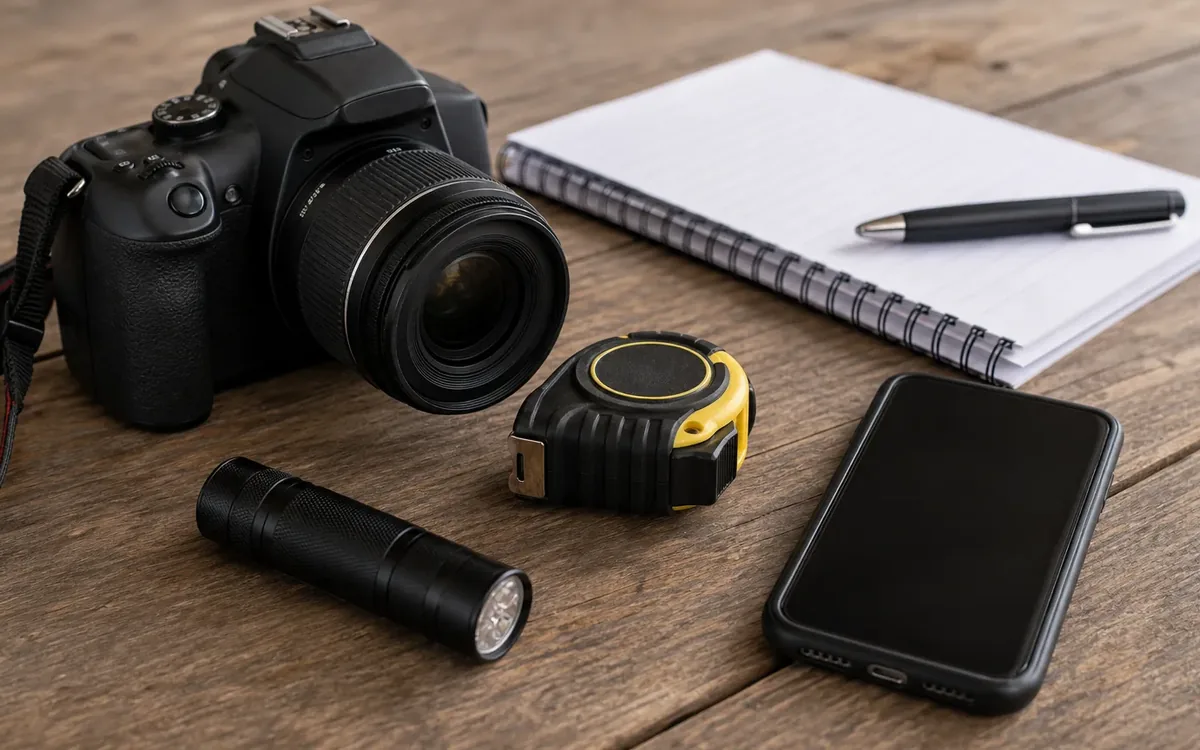
If size matters, a ruler or measuring tool can provide context only when it can be placed safely. Do not use a photograph alone to claim a required clearance, boundary location, or construction dimension. Relevant measurements and interpretations belong with the responsible professional or authority.
Keep dates, filenames, and captions consistent
Check your device’s date and time before taking photos. Image metadata can support organization, but it may be missing or changed when files are copied, edited, or sent through messaging apps. Maintain a separate photo log instead of relying entirely on embedded information.
Use filenames that combine the capture date, location, and view. A pattern such as YYYY-MM-DD_rear-gate_context_01.jpg is easier to sort than a collection of unrelated camera filenames.
For each photo set, record:
- Capture date and approximate time.
- Photographer’s name.
- Property area and camera position.
- The visible condition being documented.
- Any limitation, such as shadow or blocked access.
- Related notice item, if one exists.
Keep captions factual. “Boxes visible across the garage doorway” is clearer than “dangerous illegal storage.” The first describes the image; the second adds conclusions that the photograph alone may not support.
When another person supplies an image, identify it as their photograph and record the information they provide. Do not assign an exact capture date if you only know when you received it.
Preserve originals and protect private information
Keep an untouched copy of each original image. Make separate working copies for arrows, circles, labels, or cropping. Name edited copies clearly so a future reviewer can distinguish them from the source files.
Cropping can make a detail easier to see, but it can also remove important context. Retain the wider original alongside the cropped version. Avoid object removal, generative editing, or other changes that alter the condition shown.
Use a storage arrangement the household can maintain:
- An originals folder with unedited files.
- A working folder for annotated copies.
- A photo log connected to both folders.
- A separate backup in an account or device you control.
Property photos may reveal mail, identification documents, family photographs, medication labels, security equipment, or valuables. Frame images to avoid unnecessary private details when possible. If redaction is needed for sharing, redact a copy and retain the original privately.
Agree on who can access the files. Before sending a whole folder, confirm which images the recipient needs and how they prefer to receive them. Questions about legal retention, disclosure, or ownership of records should go to the appropriate adviser, not a cleanout team.
How do you make before-and-after images genuinely comparable?
Repeat the original camera position as closely as practical. Use the same landmark, direction, and general framing so the viewer can recognize the space without guessing.
Record your standing position in the log, such as “inside driveway entrance, facing garage.” A simple sketch can help when there are few recognizable features. Do not mark public surfaces or someone else’s property to establish a camera position.
For the follow-up set, capture the overview, context, and detail again. Photographing only an empty close-up may omit remaining items elsewhere in the area. Conversely, a wide image may not show the specific condition that was addressed.
Describe the visible change neutrally: “Items previously visible at the gate are no longer present in this view.” Avoid “violation resolved” unless the responsible authority has made that determination.
If work is incomplete, label the set as progress photos. If belongings were relocated, note the new location in your household records. An empty original location does not establish whether storage, disposal, or another arrangement meets applicable requirements.
Separate documentation from cleanup and professional decisions
The household can decide how to organize photographs, which authorized person maintains the record, and which belongings require review before movement. Those choices should respect any ownership questions or restrictions affecting the property.
A practical cleanout or move team may discuss accessible work areas, items needing household decisions, movement plans, and points when you want to take progress photographs. Agree on these details before work rather than assuming every step will be documented.
Keep the responsibilities distinct:
- Household or authorized representative: Makes permitted belongings decisions and maintains its chosen records.
- Cleanout or move team: Discusses practical sorting, handling, access, and coordination within an agreed scope.
- Contractor or inspector: Evaluates repair needs or conditions within their professional role.
- Appraiser: Provides valuation when an appraisal is needed.
- Real-estate professional: Advises on property marketing and transaction-related questions within their role.
- Legal adviser or responsible authority: Addresses legal questions or determines applicable compliance requirements.
Storage arrangements, contractor work, appraisals, and disposal are separate household or provider choices. A photo of an item leaving the property does not prove its final destination. Keep any relevant provider records separately if those details matter.
Clutter Cleaner of South Carolina is based in Mount Pleasant and serves all of South Carolina, with Charleston as its primary market. Its code compliance support does not replace an authority’s determination or a qualified professional’s assessment.
Review the record for gaps, not just attractive images
Before considering your record complete, ask whether someone unfamiliar with the property could connect each detail to its location. Look for missing context, unreadable labels, and unexplained changes between photo sets.
Use a brief review:
- Does each concern have a recognizable overview?
- Can you identify where the detail photo was taken?
- Are originals separate from edited copies?
- Do captions describe observations rather than conclusions?
- Are inaccessible areas and missing views acknowledged?
- Do follow-up images match the earlier locations?
Do not recreate an earlier condition to fill a documentation gap. Explain that the earlier view is unavailable. A transparent limitation is more useful than a staged image that appears to show an untouched condition.
If an authority or professional needs a specific view or format, ask for clarification. Your household record can support that conversation without predicting what will be accepted.
Short FAQ
Do photographs prove a property violation?
No. They document visible conditions. Whether a condition violates an applicable requirement is a separate determination for the responsible authority or professional.
Should I include people in the photos?
Usually, people are unnecessary for documenting property conditions. Avoid capturing faces or unrelated personal activity when possible, and consider privacy before sharing images.
Can I delete blurry or duplicate images?
Separate unusable images from your main review folder. If records may matter in a dispute or proceeding, ask the appropriate legal adviser about retention before deleting originals.
What if I cannot photograph an area safely?
Record the location and reason it was not photographed. Do not enter or disturb a hazardous area just to complete the set. Ask the appropriate professional about safe evaluation.
A useful record is clear, consistent, and honest about its limits. It helps the household explain what was visible and what changed while leaving technical and compliance conclusions where they belong.



