
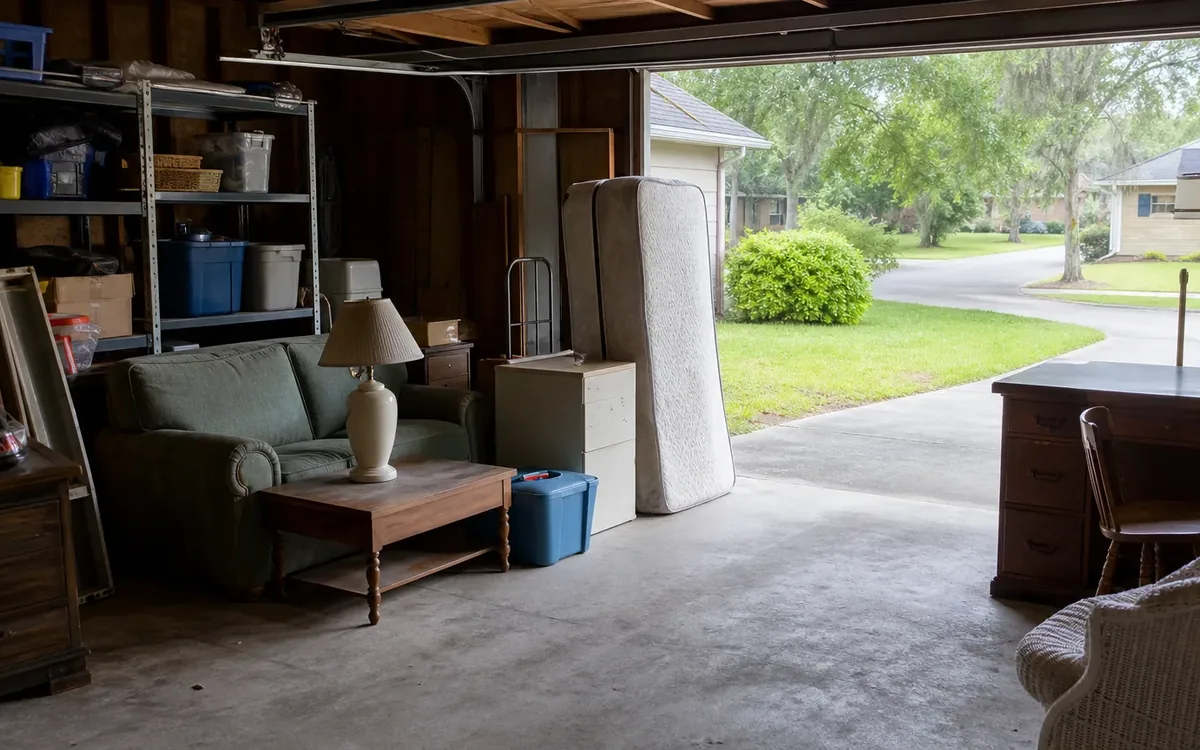
Bulk item rules should be checked with the city, county, sanitation provider, homeowners association, or property manager responsible for the address before anything is placed at the curb. Confirm accepted materials, preparation requirements, set-out timing, quantity limits, scheduling, and the exact collection point. If an item is not accepted, keep it on the property while the household considers an authorized hauler, retailer program, donation option, or approved drop-off site.
Quick answer: Identify who collects waste at the property, read the current rules for that exact address, and confirm any unclear point directly with the responsible provider. Do not assume that a neighboring municipality follows the same rules. Photograph the items before set-out, retain appointment or confirmation details, and use another lawful disposal option when curbside service does not accept the material.
Why must rules be checked for the exact property?
South Carolina cities, counties, private sanitation companies, multifamily communities, and homeowners associations may apply different collection rules. A mailing address or familiar city name does not always identify the agency responsible for waste service. Municipal boundaries, unincorporated areas, private roads, and contracted collection arrangements can affect which instructions apply.
Start with a recent sanitation bill, local government website, resident portal, lease, or community handbook. Search by the property address when an official lookup tool is available. If responsibility remains unclear, contact the city or county office that routes sanitation questions and ask which provider governs the address.
Confirm these details before moving items outdoors:
- Whether collection is municipal, county-operated, contracted, or private
- Whether bulk pickup is automatic or must be requested
- Which day and location apply to the address
- How early items may be placed outside
- Whether piles must be separated by material type
- Whether size, weight, or quantity limits apply
- Whether fees, tags, or account requirements apply
- What happens during holidays, storms, or suspended service
Save the webpage, email, request number, or written instructions used for the decision. Online pages and collection calendars can change, so note when the information was checked.
What counts as a bulk item?
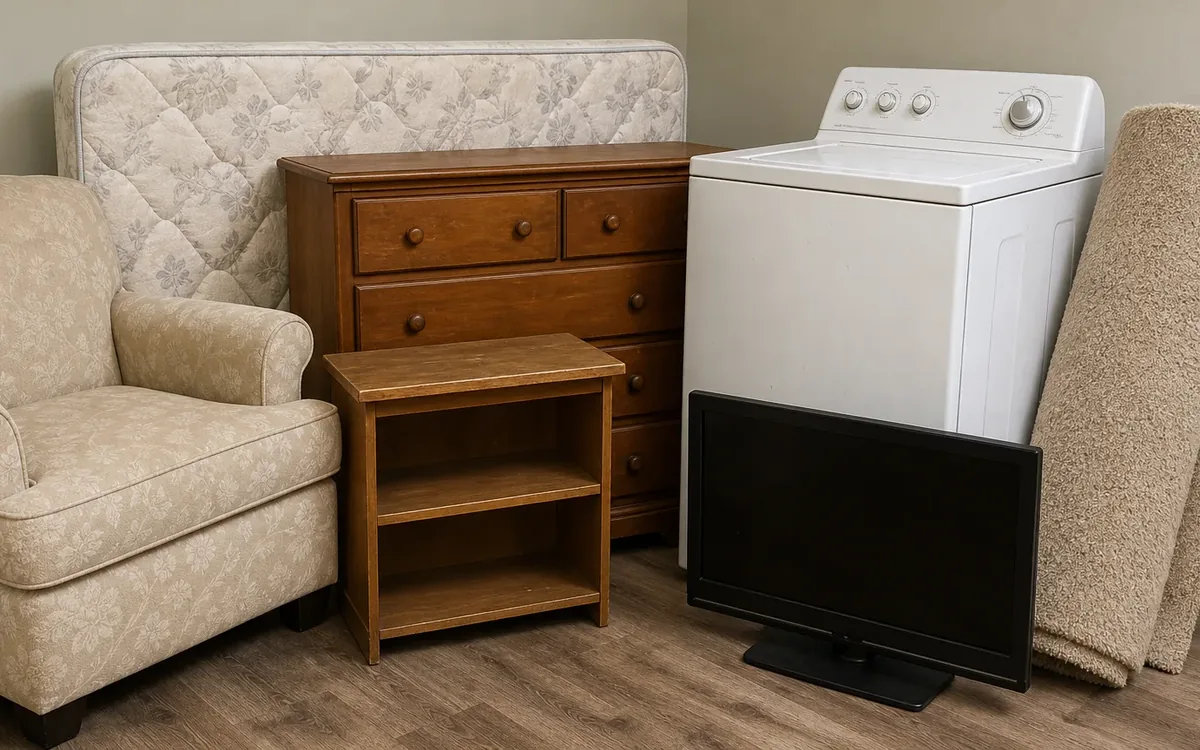
The collector’s definition controls. A household may casually describe furniture, appliances, mattresses, branches, remodeling debris, and bagged clutter as bulk trash, but a provider may divide them into separate collection categories or exclude them entirely.
Look for item-specific guidance rather than relying only on a page labeled “bulk collection.” Useful categories to investigate include:
- Furniture and mattresses
- Major appliances and metal items
- Electronics and batteries
- Yard debris, limbs, and leaves
- Household garbage in bags or containers
- Construction and demolition debris
- Paint, chemicals, fuels, and other hazardous materials
- Tires, automotive parts, and pressurized cylinders
- Refrigerators, freezers, or equipment containing regulated components
Some items may require preparation by the household or a qualified provider. Doors might need special handling, fuel may need to be removed, or loose material may need to be contained. Never dismantle, drain, or alter an item unless the governing instructions permit it and the person doing the work can do so safely.
A property cleanup may also involve indoor sorting, donation decisions, sale preparation, and removal planning. Code compliance support for South Carolina properties can help households organize practical cleanup work, but the enforcing authority decides whether conditions meet a code, sanitation rule, or correction notice.
How do you verify set-out timing and placement?
Collection eligibility does not necessarily mean an item can remain at the curb indefinitely. Rules may control both the collection date and the period during which material may be placed outside. Early set-out can create a new sanitation, nuisance, right-of-way, lease, or association issue.
Use this four-step verification process:
- Confirm the collection date. Determine whether the address has routine bulk service or requires an appointment, work order, tag, or advance request.
- Confirm the allowed set-out window. Ask for the earliest permitted placement time and what to do if collection is delayed or missed.
- Confirm the collection point. Verify whether items belong beside a cart, at the curb, in an alley, at a designated enclosure, or in another approved location.
- Confirm clearance requirements. Check instructions concerning streets, sidewalks, storm drains, mailboxes, utility equipment, trees, parked vehicles, hydrants, and neighboring property.
Do not block pedestrian or vehicle access while staging material. Avoid placing items where they can wash into drainage systems, obstruct sight lines, damage landscaping, or interfere with utility access. The responsible government, utility, property manager, or association determines applicable clearance and access standards.
For an estate with many rooms or decision-makers, the broader guide to the estate cleanout process explains how sorting and removal planning can be coordinated before items reach the curb.
Which items usually need another disposal route?
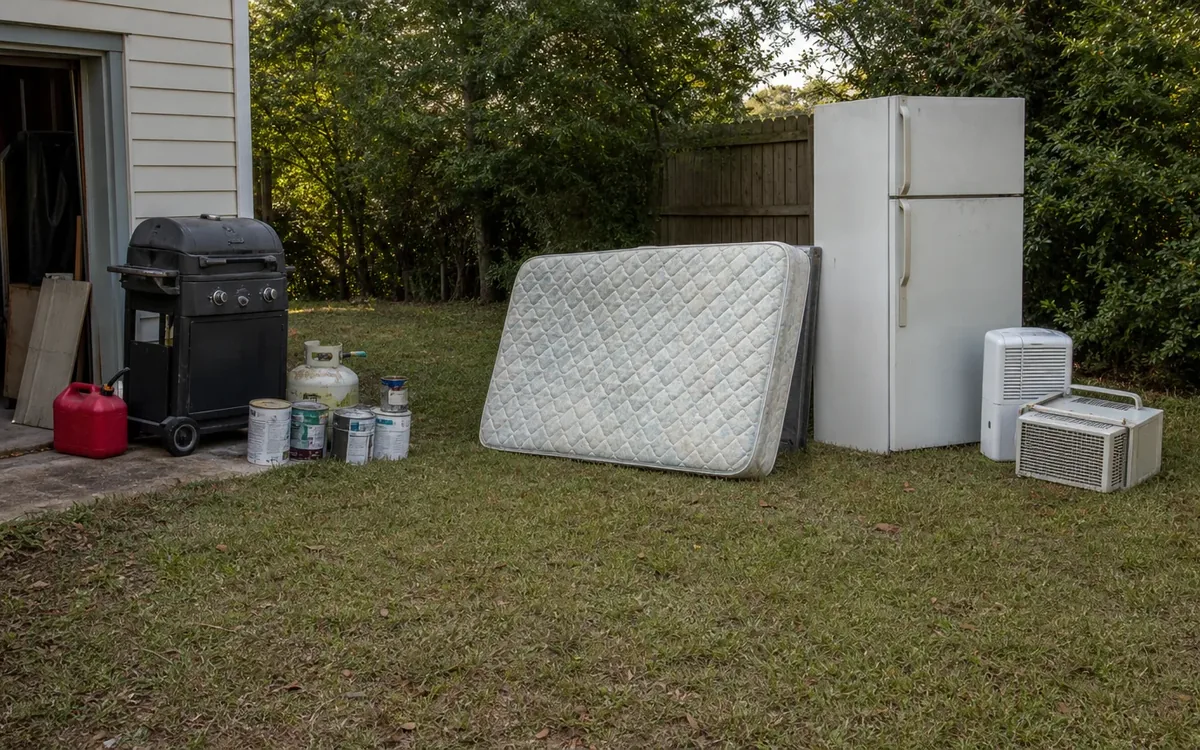
There is no reliable statewide list of items accepted through ordinary curbside programs. Even commonly collected materials may be rejected because of their condition, source, preparation, volume, or location. Treat the collector’s current instructions as the controlling operational guidance.
Another route may be needed when:
- The item appears on the provider’s prohibited list
- The pile exceeds the stated collection limit
- Material came from construction, renovation, or contractor work
- The property is not enrolled in the service
- An appointment is unavailable for the planned cleanup
- The item requires environmental or safety handling
- The community uses private rather than public collection
- A missed collection cannot remain outside lawfully
Possible alternatives include an authorized waste hauler, an approved transfer station or drop-off site, a retailer take-back program, a donation organization, a recycling program, or a specialized hazardous-material program. Acceptance should be confirmed before loading or transporting anything. Sites may limit users by residency, vehicle type, material, quantity, or documentation.
Contractor-generated material deserves separate attention. Do not assume a household collection program will take flooring, cabinets, drywall, roofing, lumber, plumbing fixtures, or landscaping debris produced by hired work. The contract with the contractor should state who removes debris, while the collector or disposal facility decides whether it will accept that material.
How can a cleanup avoid creating a new violation?
The safest approach is to keep uncertain material contained on the property until an approved removal route is ready. A fast indoor cleanup can become an outdoor compliance problem if furniture, bags, or debris are moved to a curb too early.
Build the removal plan around verified collection options:
- Separate accepted curbside items from prohibited or uncertain material.
- Label piles by destination, such as collection, donation, sale, recycling, or hauler.
- Avoid mixing yard debris, household trash, and renovation waste unless rules allow it.
- Schedule outside providers before clearing areas that cannot hold staged material.
- Keep sidewalks, driveways, doors, utility access, and emergency paths clear.
- Use containers or coverings only when local rules and safety considerations permit them.
- Recheck the site after pickup and promptly address rejected material.
If the cleanup relates to a notice, read the document closely. A notice may identify the condition, responsible party, contact office, or response requirements. The household can gather records, photograph progress, organize access, and arrange practical work. Only the issuing authority can interpret its notice, approve an extension, close a case, or confirm compliance.
Clutter Cleaner of South Carolina may discuss sorting, cleanout sequencing, move coordination, home sale preparation, or practical code compliance support across the state. That discussion does not replace directions from a sanitation provider, code official, fire authority, environmental agency, property manager, or homeowners association.
What should you ask the collection provider?
A short, specific call or email can prevent conflicting assumptions. Describe the items accurately and identify whether they came from routine household use, a move, an estate cleanout, yard work, or a renovation.
Ask these questions:
- Does this exact address receive your bulk collection service?
- Is a request, appointment, tag, or account verification required?
- Are the named items accepted in their current condition?
- Must any parts be removed, secured, emptied, or separated?
- What quantity, dimension, or weight restrictions apply?
- Where must the items be placed?
- When may they first be set out?
- What should the household do after a missed or partial pickup?
- Are there special rules for appliances, electronics, chemicals, or building debris?
- Which approved resource handles items you do not accept?
Record the representative’s name if offered, the date of contact, and any confirmation number. Written confirmation is particularly useful when several family members, a tenant, an agent, or a cleanup team will be coordinating the property.
Avoid vague descriptions such as “a little debris.” List the actual materials and approximate pile dimensions if the provider asks. If the contents are unknown, sort them before requesting guidance rather than guessing.
Who decides what during the cleanup?
Clear roles reduce delays and prevent a cleanup team from being asked to make decisions outside its scope.
The household or authorized decision-maker
The household decides what to keep, donate, sell, store, recycle, or discard, subject to ownership rights and applicable rules. It also chooses whether to hire a hauler, rent storage, engage contractors, seek an appraisal, or use a drop-off facility.
If ownership is disputed or an estate, trust, divorce, tenancy, or guardianship affects authority, the household should pause removal and consult the appropriate attorney, personal representative, court-appointed person, landlord, or other responsible party. A cleanout team should not decide who owns property or who has legal authority to discard it.
A practical cleanout or move team
A team may discuss room-by-room sorting, staging, access, removal order, packing, donation preparation, and coordination with household-selected providers. It can flag questionable items for separate review rather than placing them in an unverified curb pile.
Storage remains a separate household choice governed by the storage provider’s contract. Auctions, estate sales, and donations require separate decisions about suitability, acceptance, ownership, and timing.
Responsible professionals and authorities
Specific decisions stay with the appropriate party:
- A sanitation provider or local authority determines collection eligibility and set-out rules.
- A code official determines whether cited conditions comply.
- An attorney advises on legal authority, ownership, notices, estates, and disputes.
- A qualified appraiser determines value for the intended appraisal purpose.
- A real estate professional advises on listing and transaction strategy.
- An inspector evaluates conditions within the scope of the inspection.
- A contractor determines the work method and handles contracted debris obligations.
- Environmental, fire, utility, or other authorities decide matters within their jurisdiction.
These roles should remain separate even when everyone is working toward the same property transition.
Build a curbside verification file
A simple property file keeps instructions connected to the actual cleanup. It can be digital or paper and shared with authorized participants.
Include:
- The service provider’s name and contact details
- Address eligibility results
- Current collection calendar or appointment confirmation
- Accepted and prohibited item instructions
- Set-out location and timing notes
- Photographs of items before placement
- Records for haulers, drop-off sites, or specialty programs
- A copy of any correction notice or community rule
- Photographs after collection or alternative removal
Photographs document condition and placement, but they do not prove legal compliance by themselves. Keep receipts or disposal records when provided, especially if an authority, estate representative, landlord, or buyer may request documentation.
Before closing the project, walk the curb, yard, driveway, alleys, shared enclosures, and drainage areas. Look for loose fragments, rejected pieces, leaking containers, or labels that may reveal personal information.
Short FAQ
Can furniture be placed at the curb during an estate cleanout?
Only if the provider responsible for that address accepts the furniture and the household follows its scheduling, preparation, placement, and quantity rules. Keep it inside or in lawful on-property staging until those points are confirmed.
Are city and county bulk collection rules the same?
Not necessarily. Rules may differ among municipalities, counties, unincorporated areas, contracted providers, apartment communities, and associations. Verify service by exact address.
What happens if the collector leaves an item behind?
Check for a rejection notice, then contact the provider before moving or altering the item. Ask why it was left and what approved next step applies. Do not leave rejected material at the curb without confirmation that it may remain there.
Can a cleanup company decide whether a property is code compliant?
No. A practical cleanup team can help organize work and document progress, but the responsible authority determines compliance and closes or updates a case.
Should valuable-looking items be discarded to meet a cleanup deadline?
The authorized household decision-maker should separate uncertain items for review. An appraiser or appropriate specialist, not a cleanout team, should provide a formal valuation when one is needed.



