
Knowing what items do not sell at estate sales can save your South Carolina family real frustration on cleanout day. Some things almost always find a buyer. Others sit untouched no matter how you price or display them. Planning around that fact, instead of getting surprised by it later, makes the whole process smoother. This is especially true if your family hasn’t thought about resale value in years. What used to be worth something often isn’t worth much today. That’s true for a small condo and for a large family home alike.
Quick answer: Worn mattresses, particleboard furniture, old electronics, encyclopedias, entertainment centers, big exercise machines, and personal items like used cosmetics rarely sell at estate sales. Plan to donate, recycle, or throw these away. Don’t count on a sale to clear them out.
What items do not sell at estate sales?
Worn mattresses, old electronics, particleboard furniture, encyclopedia sets, entertainment centers, and big exercise machines rarely sell. Buyers just don’t want them, no matter the price, condition, or how nice they look on the table. For the related service scope and planning steps, review our estate sale and auction support and estate sale comparison guide.
Health and safety rules explain part of this list. Used mattresses raise hygiene concerns most buyers won’t ignore. Many states also limit resale of used mattresses without a special sanitizing tag, which most home sales don’t have. Old cribs, car seats, and helmets often fail today’s safety standards too. A responsible seller shouldn’t put unsafe gear back into use, no matter how good it looks. If you’re not sure about an item, a quick search for safety recalls before sale day is a smart step.
Bulk and outdated design explain the rest. Entertainment centers built for old, boxy TVs have little use now that most homes have flat screens. Most buyers already own enough bookshelves and dressers. Encyclopedia sets and old computer manuals lost their use once people started looking things up online. They tend to sit untouched even at a dollar each.
Old computer towers and printers rarely draw interest either. Technology moves fast, and a five-year-old desktop or an inkjet printer usually costs more to ship or store than anyone will pay for it. The same goes for outdated computer monitors, especially bulky older models that take up a lot of space for very little value.
Timeshares, extended warranties, and other paper-only items sometimes get mixed in with estate sale goods by mistake. These aren’t physical things a sale can move. They need a totally different process, often through the company that issued them. A sale can’t hand off that kind of asset across a folding table.
Building rules and product changes matter too. Old gas grills, appliances, and electronics with odd voltage needs sometimes raise safety questions, even if they still work. When you’re not sure if something is safe to sell, ask a local recycling or hazardous-waste program instead of guessing.
If you want help figuring out what will realistically sell in your home, Clutter Cleaner of South Carolina’s Auctions and Estate Sales service can help you sort which items are worth pricing and which are better off donated or thrown away from the start.
What items don’t sell at an estate sale?
Beyond the big categories, some specific items disappoint over and over: mismatched china, VHS and cassette tapes, exercise machines, particleboard bookshelves, old computer towers, and costume jewelry mixed into regular stock. These sit unsold more often than not. Related South Carolina planning tools include our estate sale and auction support and estate sale comparison guide.
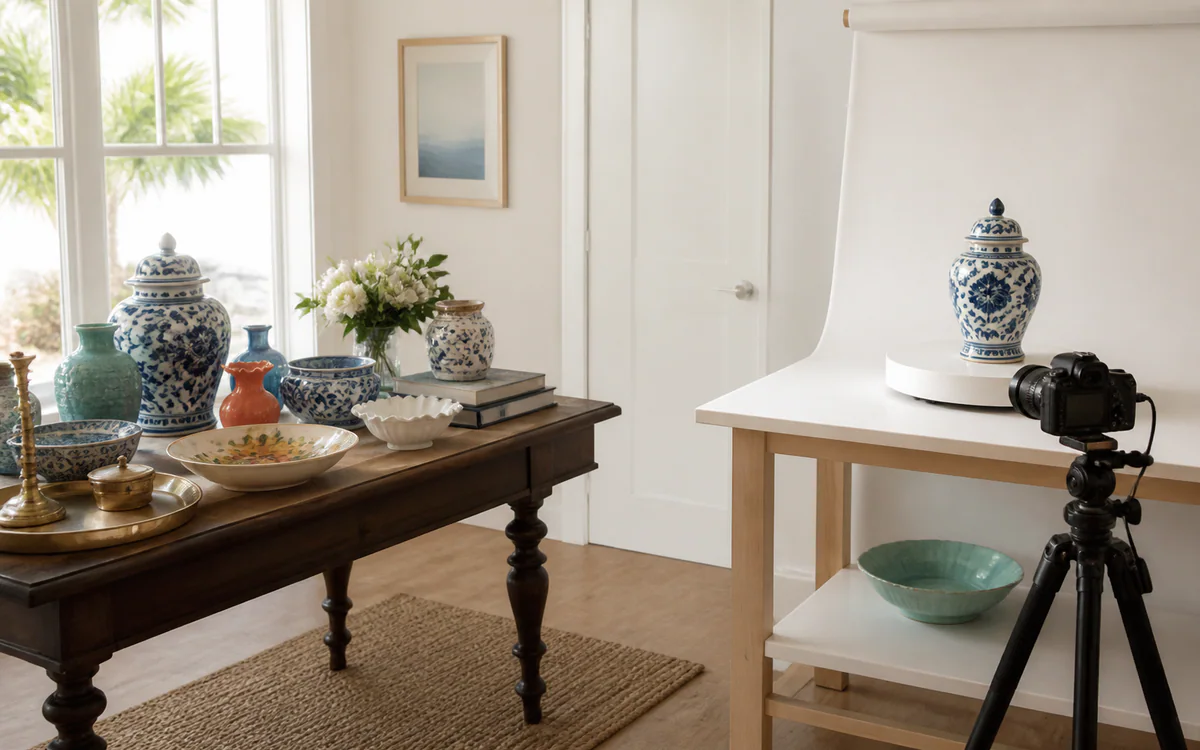
China and crystal sets often surprise families who assumed grandma’s formal dishes held real value. Formal dining just isn’t popular anymore. There’s more old china out there than buyers who want a full set. A few standout pieces might sell alone, but a full twelve-place setting often doesn’t move as one unit.
Old media formats face the same problem. VHS tapes, cassette collections, and CDs beyond a small personal stack all need equipment most buyers no longer own. Even great content loses its pull when nobody can play it. The price doesn’t matter much once demand is gone.
Stuffed animals and used baby gear beyond cribs and car seats can be a tough sell too. Many buyers prefer new items for anything that touches a child directly, even when a used piece is in good shape. That preference isn’t about price. It’s simply a comfort level most buyers won’t compromise on.
Exercise machines surprise people too. A treadmill or elliptical that cost real money new often sells for a small fraction of that, if it sells at all. Heavy equipment is a hassle for casual buyers, and the used fitness market is already crowded almost everywhere.
Textbooks and reference books, outside a few specialty titles, rarely draw buyers either. Most information lives online now, and shelf space is tight in most homes. A full encyclopedia set that cost real money new might not sell for the price of a cup of coffee today.
Personal care items, used cosmetics, and worn clothing don’t belong on a sale table at all. That’s true for hygiene reasons, and most buyers pass on them no matter the price. Set these aside for the trash or donation from the very start, rather than pricing them with everything else.
What doesn’t sell well at an estate sale?
Condition, style, and too much supply explain most of what doesn’t sell well. Items in rough shape, styles that feel dated instead of vintage-cool, and categories where supply beats demand tend to sit unsold no matter the price. To turn this answer into a practical plan, compare estate sale and auction support with the estate sale comparison guide.
Condition beats sentiment every time. A well-loved recliner with worn arms and a sagging seat won’t sell for much, no matter how many good years it gave your family. Buyers judge what they see on sale day, not the item’s history. A quick clean or a small repair beforehand can really help. Even a simple wipe-down changes how fast a piece finds a buyer.
Style trends move in cycles. Furniture from certain decades falls in and out of favor. Heavy, dark wood pieces have struggled lately as tastes shift toward lighter finishes. A well-made vintage piece can still sell, though, if it’s priced with that shift in mind instead of against it. A company that watches these trends can price fairly instead of using last decade’s numbers.
Mass-produced décor from big box stores rarely holds value once it leaves the shelf. A print or vase bought new for a modest price a few years back usually can’t compete with newer, cheaper versions still on store shelves today. Buyers can often get something similar new for close to the same price.
Oversupply is a quiet but real problem. Everyday glassware, standard paperbacks, and common holiday decorations show up at almost every estate sale. Buyers have their pick across several sales on the same weekend. Standing out usually means pricing fairly or bundling similar items, rather than pricing each piece as if it’s rare.
Flat-pack furniture that’s already been put together and taken apart once can struggle too. Missing hardware or stripped screw holes make reassembly a gamble for the buyer. A piece that looks fine in the room gets much harder to sell once a buyer realizes it needs to come apart to leave the house.
Local taste plays a role too. What sells well in one part of South Carolina may not sell the same way in another. A company with experience across different areas usually knows local buyer habits better than one formula used everywhere. A quick call to a local consignment shop can sometimes tell you if a borderline item, especially one with a maker’s mark, is worth more than a typical sale price.
What percentage do estate sales usually take?
Commission is a share of what actually sells. The exact rate depends on the company, the size of the home, and how complex the sale is. Ask for that number in writing, along with how unsold items factor into the final numbers. For additional planning context, see estate sale and auction support and the estate sale comparison guide.
It’s worth linking this question to what doesn’t sell. If a big chunk of the house falls into categories that rarely move, like the ones covered above, that hurts your total proceeds no matter the commission rate. A lower rate on a sale with lots of leftovers might net less than a slightly higher rate on a sale that clears more of the house.
A company that walks through your whole home before naming a rate has more to go on than one that quotes a number over the phone. Seeing the actual mix of items, including the categories covered here, helps them give you a number that reflects your home rather than a rough guess.
Ask how a company’s fee connects to donation or disposal of what’s left. Some contracts fold that into the commission. Others treat it as a separate charge. Our preparation checklist for auctions and estate sales covers questions worth asking before you sign, including this one.
It’s fair to ask a company how they’ve handled a high number of unsold items in past sales. Their answer says a lot about their experience with exactly the kind of situation you might be facing. A vague or defensive answer here is worth noting.
It’s also fine to ask for references from recent clients, or to see a sample contract before you sign anything. A company confident in its process usually has these ready without hesitation.
Every family member with a stake in the outcome should see the same numbers. A clear report that separates what sold, what got donated, and what’s left protects everyone. It also avoids awkward arguments after the sale ends.
How to display items for an estate sale?
Careful display can help even hard-to-sell items move faster. Group similar things together, use clear prices, clean pieces before the sale, and place tricky items where buyers can look closely instead of tucked in a corner. The next steps connect to our estate sale and auction support and estate sale comparison guide.
Cleaning is a small step with a big payoff. A dusty, cobweb-covered item looks neglected even if it’s perfectly fine. The same item wiped down and set up with a little care looks worth a second glance. This matters most for furniture and electronics, where buyers decide fast whether something looks cared for.
Bundling helps move categories that struggle alone. A box of mismatched glassware priced as one lot, instead of item by item, often sells faster than trying to sell each piece on its own. The same trick works for books, costume jewelry, and craft supplies, where each item’s value is low but the combined deal appeals to certain buyers.
Lighting matters too, especially in older South Carolina homes with small windows or dim rooms. A well-lit table sells better than the same items in a dark hallway, simply because buyers can actually see what they’re looking at and decide faster.
Clear, simple signage outside the home also helps on sale day. Buyers driving by decide quickly whether to stop, and clean, visible signs pointing to parking and entry make that decision easier. A cluttered or hard-to-read sign can cost you visitors before they ever see what’s inside.
For anything genuinely tough to sell, being upfront about flaws in the listing, rather than hoping nobody notices, builds more trust with buyers than it costs in lost sales. A buyer who feels informed is more likely to make an offer than one who worries they’re missing something.
Some items still won’t sell no matter how well you display them. That’s worth planning for, not treating as a failure. The IRS guidance on determining the value of donated property explains fair market value for items headed to charity. The AARP guide to getting rid of anything offers real next steps for whatever else doesn’t sell.
Every South Carolina home’s mix of items is different, and a plan built around your specific house beats a generic checklist every time. Small details, like the ones covered above, add up fast once the sale actually starts. If you’d like help figuring out which categories in your home are worth pricing and which are better handled another way, call (843) 972-7020 or use the estimate form on this site. We’ll talk through your home’s specific mix and what a realistic outcome looks like.